Library
Browse and search books
18 novels found
Bad Luck
General Fiction舛运
Zhang Jun
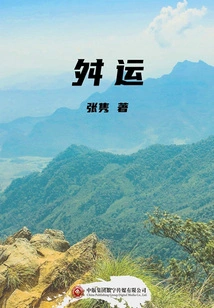
The work focuses on the ups and downs of the three generations of the Ye family, spanning nearly a century in time and space. In a sense, the ups and downs of the Ye family are also a microcosm of China's modern development history, so the work has a relatively distinct sense of the times and destiny. "Misfortune" interprets a century-old life story within the framework of a family and describes the changes in social history. The author uses the passage of time to assemble wonderful stories of characters. Use the ups and downs of life to reflect the ups and downs of the times.
The work focuses on the ups and downs of the three generations of the Ye family, spanning nearly a century in time and space. In a sense, the ups and downs of the Ye family are also a microcosm of China's modern development history, so the work has a relatively distinct sense of the times and destiny. "Misfortune" interprets a century-old life story within the framework of a family and describes the changes in social history. The author uses the passage of time to assemble wonderful stories of characters. Use the ups and downs of life to reflect the ups and downs of the times.
中国当代文学制度研究(1949—1976)
Zhang Jun
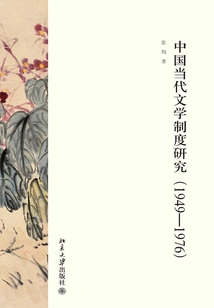
"Research on Chinese Contemporary Literary Institutions (1949-1976)" Introduction: Studying literary institutions, or studying literature from an institutional perspective, has been a hot topic in recent years, and its theoretical basis is still the traditional Chinese "knowing people and analyzing the world." Studying literature from the perspective of writers focuses on "knowing people", while studying literature from the perspective of institutions is "discussing the world." This method of studying literature belongs to the category of social and historical research methods in the West and is also very traditional. Of course, some emerging sociological research methods will also talk about some issues related to institutions when it comes to literary issues, such as Foucault's sociology of knowledge theory and Bourdieu's field theory. The research method of "knowing people and discussing the world" or social history belongs to the "external research" of literature, that is, the study of some environmental factors outside the literary text, rather than the text itself. This research method used to be used to talk about issues such as natural conditions, cultural customs, economic foundations, and social changes, but it was too general. Now it focuses on specific institutional issues and is more specialized. Therefore, it has been favored by some scholars in recent years.
"Research on Chinese Contemporary Literary Institutions (1949-1976)" Introduction: Studying literary institutions, or studying literature from an institutional perspective, has been a hot topic in recent years, and its theoretical basis is still the traditional Chinese "knowing people and analyzing the world." Studying literature from the perspective of writers focuses on "knowing people", while studying literature from the perspective of institutions is "discussing the world." This method of studying literature belongs to the category of social and historical research methods in the West and is also very traditional. Of course, some emerging sociological research methods will also talk about some issues related to institutions when it comes to literary issues, such as Foucault's sociology of knowledge theory and Bourdieu's field theory. The research method of "knowing people and discussing the world" or social history belongs to the "external research" of literature, that is, the study of some environmental factors outside the literary text, rather than the text itself. This research method used to be used to talk about issues such as natural conditions, cultural customs, economic foundations, and social changes, but it was too general. Now it focuses on specific institutional issues and is more specialized. Therefore, it has been favored by some scholars in recent years.
林徽因:人间四月天(民国人文温暖插画纪念版)
Zhang Jun
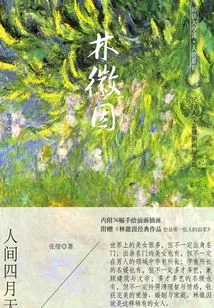
Zhang Jun's "Lin Huiyin (April in the World 2nd Edition of the Republic of China Humanistic Warm Illustrations Commemorative Edition)" is a collection of essays that shows Lin Huiyin's colorful life through beautiful words. The book uses beautiful and detailed content to lead readers into the emotional heart of the characters and into that magnificent history.
Zhang Jun's "Lin Huiyin (April in the World 2nd Edition of the Republic of China Humanistic Warm Illustrations Commemorative Edition)" is a collection of essays that shows Lin Huiyin's colorful life through beautiful words. The book uses beautiful and detailed content to lead readers into the emotional heart of the characters and into that magnificent history.
Qing Dynasty First Product
General Fiction大清一品
Zhang Jun
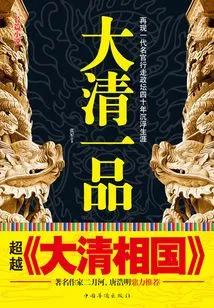
Dou Guangnai's ups and downs in the political arena of the Qing Dynasty allows you to understand the political arena from a high-ranking official's perspective; it allows you to examine the treacherous changes in Qing Dynasty society two hundred years ago from a new perspective, and takes you into a more realistic and thorough official world of the Qing Dynasty.
Dou Guangnai's ups and downs in the political arena of the Qing Dynasty allows you to understand the political arena from a high-ranking official's perspective; it allows you to examine the treacherous changes in Qing Dynasty society two hundred years ago from a new perspective, and takes you into a more realistic and thorough official world of the Qing Dynasty.
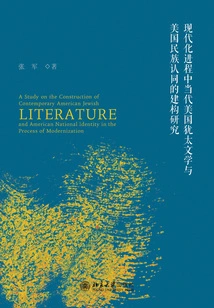
现代化进程中当代美国犹太文学与美国民族认同的建构研究
Zhang Jun
This book traces the history of the modernization process in the United States, summarizes the development of contemporary American Jewish literature in the process of American modernization, reviews the lives and literary creation characteristics of the four founding writers of contemporary American Jewish literature, including Bellow, Singer, Malamud, and Roth, who have made outstanding contributions to this development process, and then sorts out the domestic and foreign research status of contemporary American Jewish literature in the process of modernization. Starting from the concepts of identity and national identity, this paper analyzes the core content and main reasons of contemporary American Jewish literature's construction of American national identity in the process of modernization. The relevant measures taken by American Jewish literature to construct national identity provide a useful academic reference for the academic community to conduct research on ethnic minority literature in other countries.
This book traces the history of the modernization process in the United States, summarizes the development of contemporary American Jewish literature in the process of American modernization, reviews the lives and literary creation characteristics of the four founding writers of contemporary American Jewish literature, including Bellow, Singer, Malamud, and Roth, who have made outstanding contributions to this development process, and then sorts out the domestic and foreign research status of contemporary American Jewish literature in the process of modernization. Starting from the concepts of identity and national identity, this paper analyzes the core content and main reasons of contemporary American Jewish literature's construction of American national identity in the process of modernization. The relevant measures taken by American Jewish literature to construct national identity provide a useful academic reference for the academic community to conduct research on ethnic minority literature in other countries.
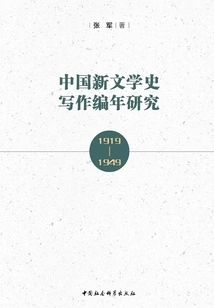
中国新文学史写作编年研究·1919-1949
Zhang Jun
This book presents the general process of writing the history of Chinese new literature at home and abroad from 1919 to 1949 in a chronological form. On the one hand, the collected literary history works and literary history papers are displayed in chronological order, and their authors, publishers, publication times, editions, formats, page numbers, word counts, etc. Are introduced, and their important innovations are commented upon. On the other hand, this book divides the 30 years of writing on the history of Chinese new literature into three periods and compiles them into three chapters. Each chapter begins with an overview of the development and paradigm characteristics of China's new literature history writing in each period, and the last chapter summarizes the historical rules of China's new literature history writing. This book will also appropriately mention the major political, economic, and cultural events that influenced the writing of China's new literary history, in order to explain the internal and external reasons for the changes in the writing of China's new literary history.
This book presents the general process of writing the history of Chinese new literature at home and abroad from 1919 to 1949 in a chronological form. On the one hand, the collected literary history works and literary history papers are displayed in chronological order, and their authors, publishers, publication times, editions, formats, page numbers, word counts, etc. Are introduced, and their important innovations are commented upon. On the other hand, this book divides the 30 years of writing on the history of Chinese new literature into three periods and compiles them into three chapters. Each chapter begins with an overview of the development and paradigm characteristics of China's new literature history writing in each period, and the last chapter summarizes the historical rules of China's new literature history writing. This book will also appropriately mention the major political, economic, and cultural events that influenced the writing of China's new literary history, in order to explain the internal and external reasons for the changes in the writing of China's new literary history.
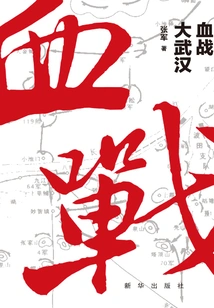
Bloody Battle in Wuhan
Literature血战大武汉
Zhang Jun
"The Bloody Battle of Wuhan" written by Zhang Jun is a documentary literary work describing the history of the Battle of Wuhan. The Battle of Wuhan lasted for four and a half months, with 40,000 Japanese soldiers killed and injured. It was a major battle between China and Japan during the Anti-Japanese War that mobilized the largest number of troops, had the widest battlefield area, took the longest time, and destroyed the Japanese troops the most. It was also the largest battle in the strategic defense stage of the Anti-Japanese War. The heroic resistance of the Chinese army greatly depleted the effective strength of the Japanese army and shattered the Japanese army's strategic plan of having a quick victory and forcing China to surrender. The Chinese Communist Party led the battlefield behind enemy lines to actively attack and contain the Japanese troops, giving full play to the role of strategic coordination. The work has magnificent scenes, delicate brushwork, respect for historical facts, vivid narrative, clear structure, and concise writing. It is a masterpiece that vividly reflects the Battle of Wuhan.
"The Bloody Battle of Wuhan" written by Zhang Jun is a documentary literary work describing the history of the Battle of Wuhan. The Battle of Wuhan lasted for four and a half months, with 40,000 Japanese soldiers killed and injured. It was a major battle between China and Japan during the Anti-Japanese War that mobilized the largest number of troops, had the widest battlefield area, took the longest time, and destroyed the Japanese troops the most. It was also the largest battle in the strategic defense stage of the Anti-Japanese War. The heroic resistance of the Chinese army greatly depleted the effective strength of the Japanese army and shattered the Japanese army's strategic plan of having a quick victory and forcing China to surrender. The Chinese Communist Party led the battlefield behind enemy lines to actively attack and contain the Japanese troops, giving full play to the role of strategic coordination. The work has magnificent scenes, delicate brushwork, respect for historical facts, vivid narrative, clear structure, and concise writing. It is a masterpiece that vividly reflects the Battle of Wuhan.
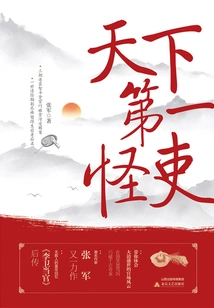
The Most Weird Official in the World
General Fiction天下第一怪吏
Zhang Jun
In the early years of Qianlong's reign, corruption in the officialdom was serious. Buying and selling officials was banned repeatedly, especially in the wealthy areas of the capital. Li Wei, a veteran of three dynasties, was secretly ordered by Emperor Qianlong to go to Zhili to investigate the truth of the case. When he first arrived in Zhili, Li Wei noticed that the governor Li Zhuqi was a sanctimonious and corrupt official. However, he was very cunning. Li Wei tried several times but failed. With no other choice, Li Wei had to disguise himself and break into Li Zhu's organ-selling system, find the evidence and turn it over to the emperor. Qianlong sent an imperial envoy to Zhili to investigate the case. Li Wei and the imperial envoy Haiwang set a trap to expose Li Zhuqi's crimes one by one and restore a clear and bright officialdom in the Qing Dynasty!
In the early years of Qianlong's reign, corruption in the officialdom was serious. Buying and selling officials was banned repeatedly, especially in the wealthy areas of the capital. Li Wei, a veteran of three dynasties, was secretly ordered by Emperor Qianlong to go to Zhili to investigate the truth of the case. When he first arrived in Zhili, Li Wei noticed that the governor Li Zhuqi was a sanctimonious and corrupt official. However, he was very cunning. Li Wei tried several times but failed. With no other choice, Li Wei had to disguise himself and break into Li Zhu's organ-selling system, find the evidence and turn it over to the emperor. Qianlong sent an imperial envoy to Zhili to investigate the case. Li Wei and the imperial envoy Haiwang set a trap to expose Li Zhuqi's crimes one by one and restore a clear and bright officialdom in the Qing Dynasty!
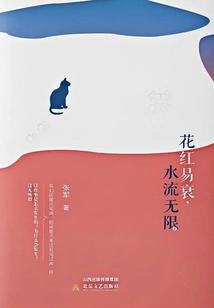
Bonuses Fade Easily, Water Flow is Unlimited
General Fiction花红易衰,水流无限
Zhang Jun
This is a novel about marriage and family ethics. It tells the dilemma and choices faced by a middle-aged male protagonist with a successful career in the conflict between marriage, family and extramarital love. It shows the reflections of two generations on marriage and family. The writing style of the book is sophisticated and the story is thought-provoking.
This is a novel about marriage and family ethics. It tells the dilemma and choices faced by a middle-aged male protagonist with a successful career in the conflict between marriage, family and extramarital love. It shows the reflections of two generations on marriage and family. The writing style of the book is sophisticated and the story is thought-provoking.
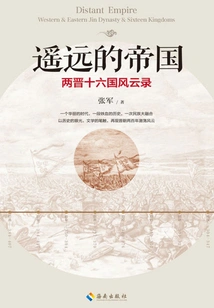
遥远的帝国:两晋十六国风云录
Zhang Jun
After reading the Three Kingdoms, I want to read the Two Jins and Sixteen Kingdoms - the most chaotic era in Chinese history. This book is written from the founding of the Western Jin Dynasty in 265 AD to the fall of Northern Liang in 439 AD, a period of 174 years, including the four stages of the Western Jin Dynasty, the Sixteen Kingdoms of the Eastern Jin Dynasty, the early years of the Northern Wei Dynasty, and the Southern Dynasty and Song Dynasty. The book covers more than 70 countries, nearly 200 monarchs, more than 300 generals and counselors with distinctive personalities, more than 400 wars, more than 100 coups, more than 40 allusions, and countless strategies of great and small power. The article contains many incisive discussions and analyzes of the social situation and future development by outstanding politicians, diplomats, and military strategists, as well as summaries and reflections of experience and lessons by losers. Of course, tragic and heroic stories, emotional and passionate scenes are also indispensable. This is a historical drama, a stage where heroes gather.
After reading the Three Kingdoms, I want to read the Two Jins and Sixteen Kingdoms - the most chaotic era in Chinese history. This book is written from the founding of the Western Jin Dynasty in 265 AD to the fall of Northern Liang in 439 AD, a period of 174 years, including the four stages of the Western Jin Dynasty, the Sixteen Kingdoms of the Eastern Jin Dynasty, the early years of the Northern Wei Dynasty, and the Southern Dynasty and Song Dynasty. The book covers more than 70 countries, nearly 200 monarchs, more than 300 generals and counselors with distinctive personalities, more than 400 wars, more than 100 coups, more than 40 allusions, and countless strategies of great and small power. The article contains many incisive discussions and analyzes of the social situation and future development by outstanding politicians, diplomats, and military strategists, as well as summaries and reflections of experience and lessons by losers. Of course, tragic and heroic stories, emotional and passionate scenes are also indispensable. This is a historical drama, a stage where heroes gather.
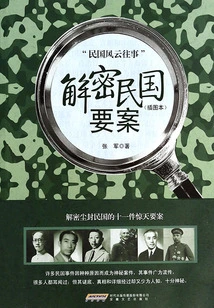
解密民国要案
Zhang Jun
"Decrypting Important Cases of the Republic of China" carefully compiles eleven important cases that have been dusted away from a large number of archives of the Republic of China, and reveals the secrets one by one. The story is full of twists and turns, showing the various aspects of the world, including celebrities and dignitaries as well as grassroots civilians.
"Decrypting Important Cases of the Republic of China" carefully compiles eleven important cases that have been dusted away from a large number of archives of the Republic of China, and reveals the secrets one by one. The story is full of twists and turns, showing the various aspects of the world, including celebrities and dignitaries as well as grassroots civilians.
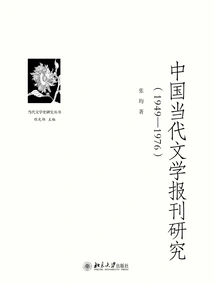
中国当代文学报刊研究(1949—1976)
Zhang Jun
This book selects seventeen newspaper cases to systematically examine the deep connection between literary newspapers and literary production in New China, and uses it to discuss how contemporary literature occurs and develops in the process of "mutual penetration, friction, adjustment, transformation, and conflict of multiple cultural components and forces." The careful review of this book shows that various heterogeneous "literary elements" such as "old liberated area literature and art" from different sources, liberalism, the left wing of Kuomintang-controlled areas, mandarin and butterfly traditions, folk popular literature and art, and personnel disputes that academic circles often hope to "filter out" all participate in this competition, and consciously use newspaper and periodical resources to compete for authentic status in the literary world, control the space for survival and development, and reconfigure literary interests through the construction of "correct" literary "knowledge." It can be said that the extensive and solid first-hand historical materials, the detailed examination "in front of the stage" and "behind the scenes", and the close connection with macro literary history issues, especially the use of the game theory perspective, make this book clearly demonstrate the efforts to get rid of the binary opposition thinking of official\u002F folk and mainstream\u002F heresy, and represents a more exploratory path and orientation in the current literary research from the 1950s to the 1970s.
This book selects seventeen newspaper cases to systematically examine the deep connection between literary newspapers and literary production in New China, and uses it to discuss how contemporary literature occurs and develops in the process of "mutual penetration, friction, adjustment, transformation, and conflict of multiple cultural components and forces." The careful review of this book shows that various heterogeneous "literary elements" such as "old liberated area literature and art" from different sources, liberalism, the left wing of Kuomintang-controlled areas, mandarin and butterfly traditions, folk popular literature and art, and personnel disputes that academic circles often hope to "filter out" all participate in this competition, and consciously use newspaper and periodical resources to compete for authentic status in the literary world, control the space for survival and development, and reconfigure literary interests through the construction of "correct" literary "knowledge." It can be said that the extensive and solid first-hand historical materials, the detailed examination "in front of the stage" and "behind the scenes", and the close connection with macro literary history issues, especially the use of the game theory perspective, make this book clearly demonstrate the efforts to get rid of the binary opposition thinking of official\u002F folk and mainstream\u002F heresy, and represents a more exploratory path and orientation in the current literary research from the 1950s to the 1970s.
Lincheng International Robbery
General Fiction临城国际大劫案
Zhang Jun
At about 1 o'clock in the morning on May 6, 1923, on the Jinpu railway line near Lincheng, Zaozhuang City, southern Shandong Province, two patrolmen meandered southward along the shining cyan railway line. The sky was clear and cloudless, and the moonlight was like silver. On such a good day, one could clearly see distant places without a lantern. The early summer night wind blows gently, and the boundless wheat fields on both sides are like seas, with undulating wheat waves. The patrolman walked back to a switch room on the side of the road, woke up his companion who was sleeping inside, and began to change his shift. There was also a railway policeman with a gun sleeping in the room, who also woke up and talked to several people. At this moment, a dozen black figures emerged from the wheat field, a few people were guarding outside, and a few people rushed into the switch room. "No one is allowed to move, anyone who moves will be beaten to death!"
At about 1 o'clock in the morning on May 6, 1923, on the Jinpu railway line near Lincheng, Zaozhuang City, southern Shandong Province, two patrolmen meandered southward along the shining cyan railway line. The sky was clear and cloudless, and the moonlight was like silver. On such a good day, one could clearly see distant places without a lantern. The early summer night wind blows gently, and the boundless wheat fields on both sides are like seas, with undulating wheat waves. The patrolman walked back to a switch room on the side of the road, woke up his companion who was sleeping inside, and began to change his shift. There was also a railway policeman with a gun sleeping in the room, who also woke up and talked to several people. At this moment, a dozen black figures emerged from the wheat field, a few people were guarding outside, and a few people rushed into the switch room. "No one is allowed to move, anyone who moves will be beaten to death!"
ghost Ball" Mystery Case
General Fiction“鬼工球”疑案
Zhang Jun
Forty-three years of Qianlong's reign. The continuous autumn rain has been falling all day and night. In the morning, the raindrops gradually became lighter, but became denser, turning into rain and fog all over the sky. The morning light is gradually rising and the sky is slightly dim, but the city of Beijing is still covered in the autumn rain. There were very few pedestrians on the streets inside Fuchengmen, and only patrolling soldiers could be seen cruising back and forth with lanterns. A group of people came from the direction of Baita Temple. They were more than ten police officers escorting a prison car towards Fuchengmen. In the cage on the car was a prisoner in his thirties, thin and dry, wearing a tattered prison uniform, huddled in a corner of the cage, motionless. When the autumn wind picked up, his tattered clothes fluttered in the wind, revealing scars all over his body, showing that he had obviously been severely tortured.
Forty-three years of Qianlong's reign. The continuous autumn rain has been falling all day and night. In the morning, the raindrops gradually became lighter, but became denser, turning into rain and fog all over the sky. The morning light is gradually rising and the sky is slightly dim, but the city of Beijing is still covered in the autumn rain. There were very few pedestrians on the streets inside Fuchengmen, and only patrolling soldiers could be seen cruising back and forth with lanterns. A group of people came from the direction of Baita Temple. They were more than ten police officers escorting a prison car towards Fuchengmen. In the cage on the car was a prisoner in his thirties, thin and dry, wearing a tattered prison uniform, huddled in a corner of the cage, motionless. When the autumn wind picked up, his tattered clothes fluttered in the wind, revealing scars all over his body, showing that he had obviously been severely tortured.
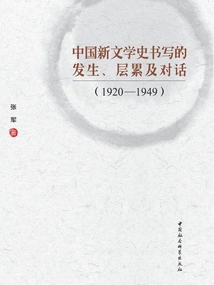
The Occurrence, Layers and Dialogue of Writing the History of New Literature in China (1920-1949)
Literature中国新文学史书写的发生、层累及对话(1920—1949)
Zhang Jun
This book divides the history writing of China's new literature from 1920 to 1949 into three periods: the 1920s was the period of legality demonstration of the literary revolution and the historicization of "May Fourth" literature; the 1930s was the historicization period of re-evaluation of "May Fourth" literature and revolutionary literature; and the 1940s was the historicization period of re-evaluation of "May Fourth" literature and Anti-Japanese War literature. These three periods not only experienced the writing of China's new literary history, but also caused the sequential historicization of literature from different eras such as "May Fourth" literature, revolutionary literature, and Anti-Japanese War literature. While the writing of the history of new literature in China continues to add layers of layers, different knowledge paradigms have appeared one after another, forming intense collisions, dialogues and exchanges. It is these occurrences, layers and dialogues of writing the history of Chinese new literature that have laid a solid foundation for the disciplinaryization of the history of Chinese new literature after the founding of New China.
This book divides the history writing of China's new literature from 1920 to 1949 into three periods: the 1920s was the period of legality demonstration of the literary revolution and the historicization of "May Fourth" literature; the 1930s was the historicization period of re-evaluation of "May Fourth" literature and revolutionary literature; and the 1940s was the historicization period of re-evaluation of "May Fourth" literature and Anti-Japanese War literature. These three periods not only experienced the writing of China's new literary history, but also caused the sequential historicization of literature from different eras such as "May Fourth" literature, revolutionary literature, and Anti-Japanese War literature. While the writing of the history of new literature in China continues to add layers of layers, different knowledge paradigms have appeared one after another, forming intense collisions, dialogues and exchanges. It is these occurrences, layers and dialogues of writing the history of Chinese new literature that have laid a solid foundation for the disciplinaryization of the history of Chinese new literature after the founding of New China.
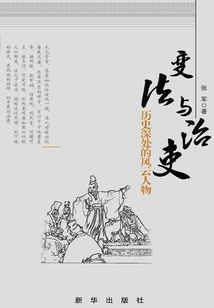
变法与治吏:历史深处的风云人物
Zhang Jun
"Reform and Governance - Figures in the Deep History" fully presents Zhang Jun's unique approach to historical writing. Its uniqueness does not lie in reinterpreting the deeds and spiritual significance of historical figures based on the ideological achievements of modern people, but in carefully selecting historical figures who have been dusted off to return to our reality, thus highlighting the true limitations of modern people who have always been self-righteous.
"Reform and Governance - Figures in the Deep History" fully presents Zhang Jun's unique approach to historical writing. Its uniqueness does not lie in reinterpreting the deeds and spiritual significance of historical figures based on the ideological achievements of modern people, but in carefully selecting historical figures who have been dusted off to return to our reality, thus highlighting the true limitations of modern people who have always been self-righteous.
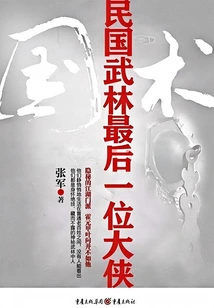
国术:民国武林最后一位大侠
Zhang Jun
"Guoshu" is set during the Republic of China. Through the storyteller Zhao Youfu's experience of being involved in Jianghu disputes in a Beijing bookshop, it shows the process of modern martial arts practitioners exploring the way to survive the martial arts in the changing times. It forms a narrative contrast with historical figures such as Huo Yuanjia and Ip Man. The work uses a rigorous collection of historical materials and a historical writing style to outline the process of the gradual dilution of Jianghu sects and reproduce the deep thinking on the survival of folk martial arts in the Republic of China.
"Guoshu" is set during the Republic of China. Through the storyteller Zhao Youfu's experience of being involved in Jianghu disputes in a Beijing bookshop, it shows the process of modern martial arts practitioners exploring the way to survive the martial arts in the changing times. It forms a narrative contrast with historical figures such as Huo Yuanjia and Ip Man. The work uses a rigorous collection of historical materials and a historical writing style to outline the process of the gradual dilution of Jianghu sects and reproduce the deep thinking on the survival of folk martial arts in the Republic of China.
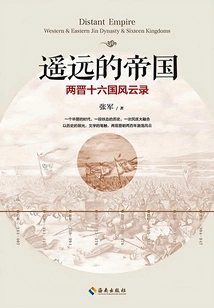
遥远的帝国:两晋十六国风云录(张军作品)
Zhang Jun
This book is a popular historical reading, in chronological order, covering important events and figures of the Jin Dynasty, covering politics, economy, military, social life and other aspects, which can help readers quickly understand the history of the Jin Dynasty. The Two Jin Dynasties and Sixteen Kingdoms were a gorgeous era, a period of iron-blooded heroes, and a history that had a profound impact on the Chinese nation! During this period, although the world was in chaos, the Chinese nation ushered in a true great integration with far-reaching historical influence. The author uses a historical perspective and literary style to describe the waves and magnificence behind the clothes of the Jin Dynasty. This is the history that Chinese people should read. After reading the Three Kingdoms, I want to read the Two Jins and Sixteen Kingdoms - the most chaotic era in Chinese history. This book is written from the founding of the Western Jin Dynasty in 265 AD to the fall of Northern Liang in 439 AD, a period of 174 years, including the four stages of the Western Jin Dynasty, the Sixteen Kingdoms of the Eastern Jin Dynasty, the early years of the Northern Wei Dynasty, and the Southern Dynasty and Song Dynasty. The book covers more than 70 countries, nearly 200 monarchs, more than 300 generals and counselors with distinctive personalities, more than 400 wars, more than 100 coups, more than 40 allusions, and countless strategies of great and small power. The article contains many incisive discussions and analyzes of the social situation and future development by outstanding politicians, diplomats, and military strategists, as well as summaries and reflections of experience and lessons by losers. Of course, tragic and heroic stories, emotional and passionate scenes are also indispensable. This is a historical drama, a stage where heroes gather.
This book is a popular historical reading, in chronological order, covering important events and figures of the Jin Dynasty, covering politics, economy, military, social life and other aspects, which can help readers quickly understand the history of the Jin Dynasty. The Two Jin Dynasties and Sixteen Kingdoms were a gorgeous era, a period of iron-blooded heroes, and a history that had a profound impact on the Chinese nation! During this period, although the world was in chaos, the Chinese nation ushered in a true great integration with far-reaching historical influence. The author uses a historical perspective and literary style to describe the waves and magnificence behind the clothes of the Jin Dynasty. This is the history that Chinese people should read. After reading the Three Kingdoms, I want to read the Two Jins and Sixteen Kingdoms - the most chaotic era in Chinese history. This book is written from the founding of the Western Jin Dynasty in 265 AD to the fall of Northern Liang in 439 AD, a period of 174 years, including the four stages of the Western Jin Dynasty, the Sixteen Kingdoms of the Eastern Jin Dynasty, the early years of the Northern Wei Dynasty, and the Southern Dynasty and Song Dynasty. The book covers more than 70 countries, nearly 200 monarchs, more than 300 generals and counselors with distinctive personalities, more than 400 wars, more than 100 coups, more than 40 allusions, and countless strategies of great and small power. The article contains many incisive discussions and analyzes of the social situation and future development by outstanding politicians, diplomats, and military strategists, as well as summaries and reflections of experience and lessons by losers. Of course, tragic and heroic stories, emotional and passionate scenes are also indispensable. This is a historical drama, a stage where heroes gather.