Library
Browse and search books
1 novel found
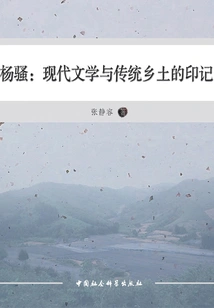
杨骚:现代文学与传统乡土的印记
Zhang Jingrong
"Yang Sao: Modern Literature and the Imprint of Traditional Countryside" is the first monograph on "Yang Sao Studies" in the true sense in the history of modern Chinese literature. This book mainly takes Yang Sao's literary creation and life path as the research object. It combines the historical environment, cultural system, and complex situations at home and abroad. It uses detailed information to examine Yang Sao's cultural feelings from the perspective of the process of modern Chinese literature and the Zhangzhou writers. It discusses Yang Sao's role in modern my country. An early symbolist poet in the history of modern literature, he used his life's "blood and tears" to write about his wandering, ups and downs, short and endless struggle of life. He took the initiative to place himself in the torrent of the times, consciously shared the hardships with the country and the people, and enthusiastically expressed the themes of the times. This book points out that Yang Sao's creations not only show common characteristics of the times in the literary world, but also show the regional characteristics of Fujian and the characteristics of southern Fujian. Because Yang Saohuai has deep feelings for Fujian, his spiritual world and cultural psychology are deeply imprinted on the life image of southern Fujian society and culture. Yang Sao walked a unique path as a "son of Fujian", from "an early symbolist poet" to "writing the mainstream and mood of the times" to "a 'warrior with pen'", representing the "life path shared by thousands of revolutionary writers of that era". To sum up, this book studies Yang Sao from a cultural perspective. It has new insights in exploring Yang Sao's modern literary characteristics of following the tendency of symbolist poetics, exploring the core spirit of the left-wing era, the feelings of Fujian with regional colors, the inheritance and innovation of national culture, the humanistic care for cultural transcendence, and the artistic expression of the soul. The conclusions are plain and reliable. With rich information, novel perspectives, and profound discussions, this book advances the academic research on Yang Sao.
"Yang Sao: Modern Literature and the Imprint of Traditional Countryside" is the first monograph on "Yang Sao Studies" in the true sense in the history of modern Chinese literature. This book mainly takes Yang Sao's literary creation and life path as the research object. It combines the historical environment, cultural system, and complex situations at home and abroad. It uses detailed information to examine Yang Sao's cultural feelings from the perspective of the process of modern Chinese literature and the Zhangzhou writers. It discusses Yang Sao's role in modern my country. An early symbolist poet in the history of modern literature, he used his life's "blood and tears" to write about his wandering, ups and downs, short and endless struggle of life. He took the initiative to place himself in the torrent of the times, consciously shared the hardships with the country and the people, and enthusiastically expressed the themes of the times. This book points out that Yang Sao's creations not only show common characteristics of the times in the literary world, but also show the regional characteristics of Fujian and the characteristics of southern Fujian. Because Yang Saohuai has deep feelings for Fujian, his spiritual world and cultural psychology are deeply imprinted on the life image of southern Fujian society and culture. Yang Sao walked a unique path as a "son of Fujian", from "an early symbolist poet" to "writing the mainstream and mood of the times" to "a 'warrior with pen'", representing the "life path shared by thousands of revolutionary writers of that era". To sum up, this book studies Yang Sao from a cultural perspective. It has new insights in exploring Yang Sao's modern literary characteristics of following the tendency of symbolist poetics, exploring the core spirit of the left-wing era, the feelings of Fujian with regional colors, the inheritance and innovation of national culture, the humanistic care for cultural transcendence, and the artistic expression of the soul. The conclusions are plain and reliable. With rich information, novel perspectives, and profound discussions, this book advances the academic research on Yang Sao.