Library
Browse and search books
2 novels found
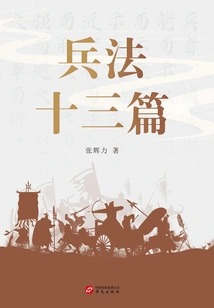
Thirteen Articles on the Art of War
General Fiction兵法十三篇
Zhang Huili
The vast Taihu Lake is sparkling. Sun Wu solemnly said his final farewell to Wu Zixu and other friends, and left the country of Wu and the place that left him countless memories. Thirty years have passed, and the past is like smoke, as if it were a world away, but it is still vivid in my mind... At that time, he left his hometown of Qi, Le'an, and lived in seclusion in Wu; he gave advice to his friends, stabbed King Liao, killed Qingji, and surrendered the rebels; he contributed thirteen articles on the art of war to King Helu of Wu, and he was appreciated. At the military training ground of Wu Palace, he resolutely killed Helu's favorite concubine, maintaining military discipline and the dignity of military strategists; at Gusu Jiangjuntai, he was worshiped as a general, admired by thousands of people, and he was very high-spirited. Then he attacked Chu for thousands of miles, won five battles in five battles, and went straight to the capital of Ying, nearly overthrowing the Chu country, and became famous all over the world. But he still can't let go. His son Sun Chi is still tortured by the endless physical and mental trauma; the "wise king" he devoted himself to helping, in the end was so greedy, hypocritical, self-willed, and unreasonable. The huge disaster that this expedition brought to the people of Wu and Chu made him ponder: Can the art of war that he is proud of really save this chaotic world? I thought hard for a long time, but to no avail. That's all, it's no longer important, let's let future generations think about it!
The vast Taihu Lake is sparkling. Sun Wu solemnly said his final farewell to Wu Zixu and other friends, and left the country of Wu and the place that left him countless memories. Thirty years have passed, and the past is like smoke, as if it were a world away, but it is still vivid in my mind... At that time, he left his hometown of Qi, Le'an, and lived in seclusion in Wu; he gave advice to his friends, stabbed King Liao, killed Qingji, and surrendered the rebels; he contributed thirteen articles on the art of war to King Helu of Wu, and he was appreciated. At the military training ground of Wu Palace, he resolutely killed Helu's favorite concubine, maintaining military discipline and the dignity of military strategists; at Gusu Jiangjuntai, he was worshiped as a general, admired by thousands of people, and he was very high-spirited. Then he attacked Chu for thousands of miles, won five battles in five battles, and went straight to the capital of Ying, nearly overthrowing the Chu country, and became famous all over the world. But he still can't let go. His son Sun Chi is still tortured by the endless physical and mental trauma; the "wise king" he devoted himself to helping, in the end was so greedy, hypocritical, self-willed, and unreasonable. The huge disaster that this expedition brought to the people of Wu and Chu made him ponder: Can the art of war that he is proud of really save this chaotic world? I thought hard for a long time, but to no avail. That's all, it's no longer important, let's let future generations think about it!
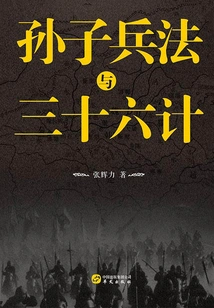
Sun Tzu's Art of War and Thirty-six Strategies
General Fiction孙子兵法与三十六计
Zhang Huili
The author "takes "The Art of War" as the god and "Thirty-Six Strategies" as the form" and uses the form of a novel to achieve an organic integration of the two military books. Thirty-six chapters, one plan after another, are intertwined. While showing ancient Chinese military art and Eastern wisdom culture, it also vividly depicts the historical picture of the integration of politics, military and emotions of different people from all walks of life during the Warring States Period in China 2,000 years ago.
The author "takes "The Art of War" as the god and "Thirty-Six Strategies" as the form" and uses the form of a novel to achieve an organic integration of the two military books. Thirty-six chapters, one plan after another, are intertwined. While showing ancient Chinese military art and Eastern wisdom culture, it also vividly depicts the historical picture of the integration of politics, military and emotions of different people from all walks of life during the Warring States Period in China 2,000 years ago.