Library
Browse and search books
3 novels found
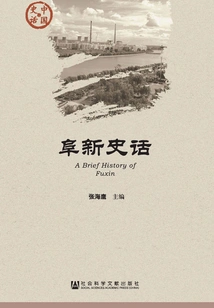
Fuxin History
History阜新史话
Zhang Haiying
Fuxin is a place with outstanding people. It is the hometown of Xiao Guanyin, the poet empress of Liao Dynasty, and Zhang Sanfeng, the founder of Wudang. It is the agate capital of China. Fuxin agate carvings and Mongolian Uliger, Mongolian medicine "blood asthenia treatment" and Fuxin Eastern Mongolian folk songs have been selected. The National Intangible Cultural Heritage Catalog; Chahai Site, Yizhou and Chengzhou Dongtashan Liao Pagodas, Guanshan Liao Tombs, and Fuxin Mass Graves are national key cultural relics protection units; Haitang Mountain, Ruiying Temple, Daqinggou and other tourist attractions are unique. "Fuxin History" presents Fuxin's long history, splendid culture and magical landscape to readers one by one.
Fuxin is a place with outstanding people. It is the hometown of Xiao Guanyin, the poet empress of Liao Dynasty, and Zhang Sanfeng, the founder of Wudang. It is the agate capital of China. Fuxin agate carvings and Mongolian Uliger, Mongolian medicine "blood asthenia treatment" and Fuxin Eastern Mongolian folk songs have been selected. The National Intangible Cultural Heritage Catalog; Chahai Site, Yizhou and Chengzhou Dongtashan Liao Pagodas, Guanshan Liao Tombs, and Fuxin Mass Graves are national key cultural relics protection units; Haitang Mountain, Ruiying Temple, Daqinggou and other tourist attractions are unique. "Fuxin History" presents Fuxin's long history, splendid culture and magical landscape to readers one by one.
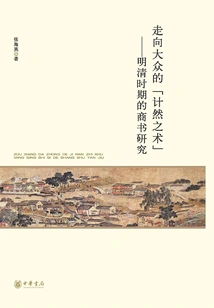
走向大众的“计然之术”:明清时期的商书研究
Zhang Haiying
The Ming and Qing Dynasties were a historical stage of comprehensive transformation of traditional Chinese society. Business not only developed highly, but also became increasingly professional. Not only did various business groups and business associations and chambers of commerce appear, but books on business methods and business guidance (referred to as "business books" in the manuscript) also began to get rid of the form of secret manuscripts and turned into public publications. Moreover, these business books not only appeared on the market openly as "public readings", but were also widely popular. This phenomenon reflected the impact of the development of the social commodity economy and the increasing prosperity of commerce on social concepts at that time. This article is divided into three parts to introduce the development and spread of business books during the Ming and Qing Dynasties, which will promote the in-depth study of the development of Ming and Qing society.
The Ming and Qing Dynasties were a historical stage of comprehensive transformation of traditional Chinese society. Business not only developed highly, but also became increasingly professional. Not only did various business groups and business associations and chambers of commerce appear, but books on business methods and business guidance (referred to as "business books" in the manuscript) also began to get rid of the form of secret manuscripts and turned into public publications. Moreover, these business books not only appeared on the market openly as "public readings", but were also widely popular. This phenomenon reflected the impact of the development of the social commodity economy and the increasing prosperity of commerce on social concepts at that time. This article is divided into three parts to introduce the development and spread of business books during the Ming and Qing Dynasties, which will promote the in-depth study of the development of Ming and Qing society.
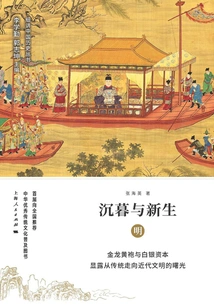
Dusk and Rebirth: Ming
History沉暮与新生:明
Zhang Haiying
The "Chinese History Series in Detail" is co-edited by the famous scholar Li Xueqin and the publisher Guo Zhikun, and is a credible and popular Chinese history written by the new generation of Chinese scholars. In the early Ming Dynasty, Zhu Yuanzhang ruled the country with fierceness and the imperial power was highly centralized. By the middle and late Ming Dynasty, a triangular power relationship centered on the emperor, cabinet, and internal supervisors was formed. Although the Wanli New Deal attempted to turn the tide, the collapse of dynastic rule was irreversible. However, the political twilight cannot conceal the innovation in the economic and cultural fields: the global flow of silver has become the driving force for the transformation of the country; the rise of Xinxue and the spread of Western learning to the east have brought brilliance to ideas that have been dormant for a long time. The book "Twilight and Rebirth: Ming" takes time as a clue to introduce in detail the major events in the history of the Ming Dynasty, analyzes the complicated political structure and historical undercurrents, and shows a unique social picture of the Ming Dynasty.
The "Chinese History Series in Detail" is co-edited by the famous scholar Li Xueqin and the publisher Guo Zhikun, and is a credible and popular Chinese history written by the new generation of Chinese scholars. In the early Ming Dynasty, Zhu Yuanzhang ruled the country with fierceness and the imperial power was highly centralized. By the middle and late Ming Dynasty, a triangular power relationship centered on the emperor, cabinet, and internal supervisors was formed. Although the Wanli New Deal attempted to turn the tide, the collapse of dynastic rule was irreversible. However, the political twilight cannot conceal the innovation in the economic and cultural fields: the global flow of silver has become the driving force for the transformation of the country; the rise of Xinxue and the spread of Western learning to the east have brought brilliance to ideas that have been dormant for a long time. The book "Twilight and Rebirth: Ming" takes time as a clue to introduce in detail the major events in the history of the Ming Dynasty, analyzes the complicated political structure and historical undercurrents, and shows a unique social picture of the Ming Dynasty.