Library
Browse and search books
3 novels found
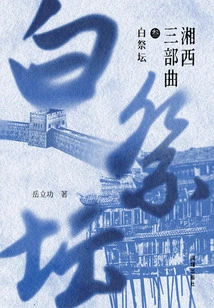
Xiangxi Trilogy 3: White Altar
General Fiction湘西三部曲3:白祭坛
Yue Ligong
This novel tells the story of the Tian Qingshu family, the leader of the Jin army, and the rise and fall of the famous Jin army in western Hunan they represent. It shows the brutal struggles in the political, military, and business circles of Western Hunan for nearly half a century from the end of the Qing Dynasty to the victory of the Anti-Japanese War. It interprets a wild legend full of struggle, love, and vendetta. It gradually progresses with family tragedy, local tragedy, and life tragedy, forming a trilogy. From the late spring of 1892 at the beginning of "Black Camp", through the midsummer of 1902 at the beginning of "Red City Wall", to the early spring of 1949 at the end of "White Altar": the first part describes Chen Yuan's military preparations in the late Qing Dynasty, the Huwei Camp in Jincheng, the Sino-Japanese War of 1898, the Reform and Reform Movement, foreign priests, and the rise of Hongmen; the second part covers the Revolution of 1911 and the protection of the country. The third part writes about He Jian's governance of Hunan, the disputes between Hunan and Guizhou, the theory of autonomy in western Hunan, the struggle between the party, the government and the army, the departure of Hunan to resist Japan, and the final battle in Xuefeng Mountain... In the historical torrent of changes in the country and the country in the century, the ups and downs and struggles of the people of western Hunan are echoed, and there is always a flow of flames woven in three colors of "black, red and white" and domineering.
This novel tells the story of the Tian Qingshu family, the leader of the Jin army, and the rise and fall of the famous Jin army in western Hunan they represent. It shows the brutal struggles in the political, military, and business circles of Western Hunan for nearly half a century from the end of the Qing Dynasty to the victory of the Anti-Japanese War. It interprets a wild legend full of struggle, love, and vendetta. It gradually progresses with family tragedy, local tragedy, and life tragedy, forming a trilogy. From the late spring of 1892 at the beginning of "Black Camp", through the midsummer of 1902 at the beginning of "Red City Wall", to the early spring of 1949 at the end of "White Altar": the first part describes Chen Yuan's military preparations in the late Qing Dynasty, the Huwei Camp in Jincheng, the Sino-Japanese War of 1898, the Reform and Reform Movement, foreign priests, and the rise of Hongmen; the second part covers the Revolution of 1911 and the protection of the country. The third part writes about He Jian's governance of Hunan, the disputes between Hunan and Guizhou, the theory of autonomy in western Hunan, the struggle between the party, the government and the army, the departure of Hunan to resist Japan, and the final battle in Xuefeng Mountain... In the historical torrent of changes in the country and the country in the century, the ups and downs and struggles of the people of western Hunan are echoed, and there is always a flow of flames woven in three colors of "black, red and white" and domineering.
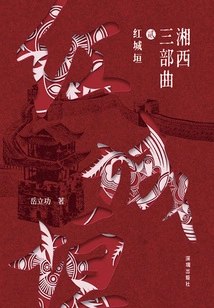
Xiangxi Trilogy 2: Red City Wall
General Fiction湘西三部曲2:红城垣
Yue Ligong
This novel tells the story of the Tian Qingshu family, the leader of the Jin army, and the rise and fall of the famous Jin army in western Hunan they represent. It shows the brutal struggles in the political, military, and business circles of Western Hunan for nearly half a century from the end of the Qing Dynasty to the victory of the Anti-Japanese War. It interprets a wild legend full of struggle, love, and vendetta. It gradually progresses with family tragedy, local tragedy, and life tragedy, forming a trilogy. From the late spring of 1892 at the beginning of "Black Camp", through the midsummer of 1902 at the beginning of "Red City Wall", to the early spring of 1949 at the end of "White Altar": the first part describes Chen Yuan's military preparations in the late Qing Dynasty, the Huwei Camp in Jincheng, the Sino-Japanese War of 1898, the Reform and Reform Movement, foreign priests, and the rise of Hongmen; the second part covers the Revolution of 1911 and the protection of the country. The third part writes about He Jian's governance of Hunan, the disputes between Hunan and Guizhou, the theory of autonomy in western Hunan, the struggle between the party, the government and the army, the departure of Hunan to resist Japan, and the final battle in Xuefeng Mountain... In the historical torrent of changes in the country and the country in the century, the ups and downs and struggles of the people of western Hunan are echoed, and there is always a flow of flames woven in three colors of "black, red and white" and domineering.
This novel tells the story of the Tian Qingshu family, the leader of the Jin army, and the rise and fall of the famous Jin army in western Hunan they represent. It shows the brutal struggles in the political, military, and business circles of Western Hunan for nearly half a century from the end of the Qing Dynasty to the victory of the Anti-Japanese War. It interprets a wild legend full of struggle, love, and vendetta. It gradually progresses with family tragedy, local tragedy, and life tragedy, forming a trilogy. From the late spring of 1892 at the beginning of "Black Camp", through the midsummer of 1902 at the beginning of "Red City Wall", to the early spring of 1949 at the end of "White Altar": the first part describes Chen Yuan's military preparations in the late Qing Dynasty, the Huwei Camp in Jincheng, the Sino-Japanese War of 1898, the Reform and Reform Movement, foreign priests, and the rise of Hongmen; the second part covers the Revolution of 1911 and the protection of the country. The third part writes about He Jian's governance of Hunan, the disputes between Hunan and Guizhou, the theory of autonomy in western Hunan, the struggle between the party, the government and the army, the departure of Hunan to resist Japan, and the final battle in Xuefeng Mountain... In the historical torrent of changes in the country and the country in the century, the ups and downs and struggles of the people of western Hunan are echoed, and there is always a flow of flames woven in three colors of "black, red and white" and domineering.
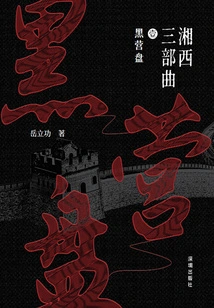
Xiangxi Trilogy 1: Black Camp
General Fiction湘西三部曲1:黑营盘
Yue Ligong
This novel tells the story of the Tian Qingshu family, the leader of the Jin army, and the rise and fall of the famous Jin army in western Hunan they represent. It shows the brutal struggles in the political, military, and business circles of Western Hunan for nearly half a century from the end of the Qing Dynasty to the victory of the Anti-Japanese War. It interprets a wild legend full of struggle, love, and vendetta. It gradually progresses with family tragedy, local tragedy, and life tragedy, forming a trilogy. From the late spring of 1892 at the beginning of "Black Camp", through the midsummer of 1902 at the beginning of "Red City Wall", to the early spring of 1949 at the end of "White Altar": the first part describes Chen Yuan's military preparations in the late Qing Dynasty, the Huwei Camp in Jincheng, the Sino-Japanese War of 1898, the Reform and Reform Movement, foreign priests, and the rise of Hongmen; the second part covers the Revolution of 1911 and the protection of the country. The third part writes about He Jian's governance of Hunan, the disputes between Hunan and Guizhou, the theory of autonomy in western Hunan, the struggle between the party, the government and the army, the departure of Hunan to resist Japan, and the final battle in Xuefeng Mountain... In the historical torrent of changes in the country and the country in the century, the ups and downs and struggles of the people of western Hunan are echoed, and there is always a flow of flames woven in three colors of "black, red and white" and domineering.
This novel tells the story of the Tian Qingshu family, the leader of the Jin army, and the rise and fall of the famous Jin army in western Hunan they represent. It shows the brutal struggles in the political, military, and business circles of Western Hunan for nearly half a century from the end of the Qing Dynasty to the victory of the Anti-Japanese War. It interprets a wild legend full of struggle, love, and vendetta. It gradually progresses with family tragedy, local tragedy, and life tragedy, forming a trilogy. From the late spring of 1892 at the beginning of "Black Camp", through the midsummer of 1902 at the beginning of "Red City Wall", to the early spring of 1949 at the end of "White Altar": the first part describes Chen Yuan's military preparations in the late Qing Dynasty, the Huwei Camp in Jincheng, the Sino-Japanese War of 1898, the Reform and Reform Movement, foreign priests, and the rise of Hongmen; the second part covers the Revolution of 1911 and the protection of the country. The third part writes about He Jian's governance of Hunan, the disputes between Hunan and Guizhou, the theory of autonomy in western Hunan, the struggle between the party, the government and the army, the departure of Hunan to resist Japan, and the final battle in Xuefeng Mountain... In the historical torrent of changes in the country and the country in the century, the ups and downs and struggles of the people of western Hunan are echoed, and there is always a flow of flames woven in three colors of "black, red and white" and domineering.