Library
Browse and search books
8 novels found
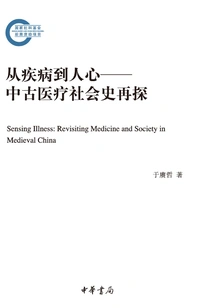
从疾病到人心:中古医疗社会史再探
Yu Gengzhe
How did the ancients face the plague? Is the miasma real or just a figment of the human mind? What was the doctor-patient relationship like in ancient times? Did they also have doctor-patient conflicts? Professor Yu Gengzhe has long been committed to the study of the medical social history of medieval China. He believes that "diseases have a greater long-term impact on human history than many factors" and "when exploring the basic laws of people, society and even human nature, medical treatment and diseases are an excellent window." Crawling through and organizing, analyzing actual cases, exploring the relationship between disease and people's hearts, medical treatment and society, traditional Chinese medicine and Western medicine, trying to discover the historical facts hidden behind the text, and providing an idea to try to pull traditional medicine back from the shackles of "science or superstition" and restore the original appearance of ancient Chinese medicine. Its entry points include the review and outlook of medical history research, the shaping of the image of doctors, and the discussion of the doctor-patient relationship. It also considers issues such as the ancient health system, the thinking model of causing and treating plague, the impact of sexually transmitted diseases on brothel culture, and the medical culture behind the tomb murals of the Song Dynasty.
How did the ancients face the plague? Is the miasma real or just a figment of the human mind? What was the doctor-patient relationship like in ancient times? Did they also have doctor-patient conflicts? Professor Yu Gengzhe has long been committed to the study of the medical social history of medieval China. He believes that "diseases have a greater long-term impact on human history than many factors" and "when exploring the basic laws of people, society and even human nature, medical treatment and diseases are an excellent window." Crawling through and organizing, analyzing actual cases, exploring the relationship between disease and people's hearts, medical treatment and society, traditional Chinese medicine and Western medicine, trying to discover the historical facts hidden behind the text, and providing an idea to try to pull traditional medicine back from the shackles of "science or superstition" and restore the original appearance of ancient Chinese medicine. Its entry points include the review and outlook of medical history research, the shaping of the image of doctors, and the discussion of the doctor-patient relationship. It also considers issues such as the ancient health system, the thinking model of causing and treating plague, the impact of sexually transmitted diseases on brothel culture, and the medical culture behind the tomb murals of the Song Dynasty.
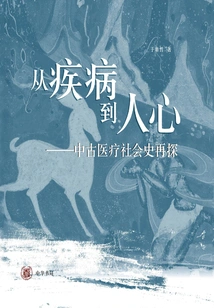
从疾病到人心:中古医疗社会史再探
Yu Gengzhe
How did the ancients face the plague? Is the miasma real or just a figment of the human mind? What was the doctor-patient relationship like in ancient times? Did they also have doctor-patient conflicts? Professor Yu Gengzhe has long been committed to the study of the medical and social history of medieval China. He believes that "diseases have a greater long-term impact on human history than many factors" and "when exploring the basic laws of people, society and even human nature, medical treatment and diseases are an excellent window." By combing and sorting out a large number of historical materials at home and abroad, this book analyzes actual cases, explores the relationship between disease and people's hearts, medical treatment and society, and traditional Chinese medicine and Western medicine. It attempts to discover the historical facts hidden behind the words, and provides an idea to try to pull traditional medicine back from the shackles of "science or superstition" and restore the original appearance of ancient Chinese medicine. Its entry points include the review and outlook of medical history research, the shaping of the image of doctors, and the discussion of the doctor-patient relationship. It also considers issues such as the ancient health system, the thinking model of causing and treating plague, the impact of sexually transmitted diseases on brothel culture, and the medical culture behind the tomb murals of the Song Dynasty.
How did the ancients face the plague? Is the miasma real or just a figment of the human mind? What was the doctor-patient relationship like in ancient times? Did they also have doctor-patient conflicts? Professor Yu Gengzhe has long been committed to the study of the medical and social history of medieval China. He believes that "diseases have a greater long-term impact on human history than many factors" and "when exploring the basic laws of people, society and even human nature, medical treatment and diseases are an excellent window." By combing and sorting out a large number of historical materials at home and abroad, this book analyzes actual cases, explores the relationship between disease and people's hearts, medical treatment and society, and traditional Chinese medicine and Western medicine. It attempts to discover the historical facts hidden behind the words, and provides an idea to try to pull traditional medicine back from the shackles of "science or superstition" and restore the original appearance of ancient Chinese medicine. Its entry points include the review and outlook of medical history research, the shaping of the image of doctors, and the discussion of the doctor-patient relationship. It also considers issues such as the ancient health system, the thinking model of causing and treating plague, the impact of sexually transmitted diseases on brothel culture, and the medical culture behind the tomb murals of the Song Dynasty.
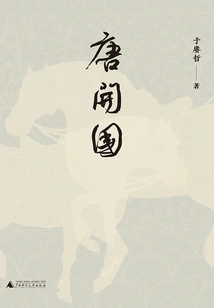
Tang Kaiguo (xinmin Theory)
History唐开国(新民说)
Yu Gengzhe
This book is narrated from the time of the death of Li Yuan, the emperor of the Tang Dynasty, in the ninth year of Zhenguan. It tells the story of the country's turmoil in the late Sui Dynasty, when various separatist forces swarmed into the Central Plains. The story centers on Li Yuan, the founder of the Tang Dynasty, and unfolds the narrative around his battles with powerful forces from all sides. From the events of Bingzhou to the rise of troops in Taiyuan, from the eastern expedition to Qu Tutong to the defeat of Xue Ju in the west, from the disintegration of Li Mi's Wagang Army to the decisive battle at Hulao Pass, many characters such as the hero Dou Jiande, the powerful enemy Wang Shichong, the fierce general Wei Chi Jingde, the famous minister Wei Zheng, Prince Jiancheng, Qin Wang Shimin, Qi Wang Yuanji, etc. Are described in detail. The work combines war narration and character description. The introduction of classic historical materials and the excavation of archaeological remains are mutually supporting. It uses rigorous textual research and careful deduction to tell many historical facts that have been misunderstood by everyone, such as the beginning and end of the so-called "Jinyang Palace Forced Palace" incident, such as "Thirteen Sticks" The historical truth of "The Monk Saves the King of Tang", as well as the combing of the intertwined interests among various people, the ever-changing conflicts between the various forces, and the interpretation of why the "Xuanwumen Incident" of brother Xiao Qiang appeared after the war for hegemony and the establishment of the dynasty. The above-mentioned controversial historical doubts surfaced one by one in Professor Gengzhe's detailed and detailed narrative, becoming concrete and clear. This book uses a smooth, concise and humorous narrative style to analyze and interpret the characters, events and the various relationships between the late Sui and early Tang Dynasties. It objectively reproduces the turbulent but true and full history of the founding of the Tang Dynasty for readers with an attitude that is infinitely close to the historical truth.
This book is narrated from the time of the death of Li Yuan, the emperor of the Tang Dynasty, in the ninth year of Zhenguan. It tells the story of the country's turmoil in the late Sui Dynasty, when various separatist forces swarmed into the Central Plains. The story centers on Li Yuan, the founder of the Tang Dynasty, and unfolds the narrative around his battles with powerful forces from all sides. From the events of Bingzhou to the rise of troops in Taiyuan, from the eastern expedition to Qu Tutong to the defeat of Xue Ju in the west, from the disintegration of Li Mi's Wagang Army to the decisive battle at Hulao Pass, many characters such as the hero Dou Jiande, the powerful enemy Wang Shichong, the fierce general Wei Chi Jingde, the famous minister Wei Zheng, Prince Jiancheng, Qin Wang Shimin, Qi Wang Yuanji, etc. Are described in detail. The work combines war narration and character description. The introduction of classic historical materials and the excavation of archaeological remains are mutually supporting. It uses rigorous textual research and careful deduction to tell many historical facts that have been misunderstood by everyone, such as the beginning and end of the so-called "Jinyang Palace Forced Palace" incident, such as "Thirteen Sticks" The historical truth of "The Monk Saves the King of Tang", as well as the combing of the intertwined interests among various people, the ever-changing conflicts between the various forces, and the interpretation of why the "Xuanwumen Incident" of brother Xiao Qiang appeared after the war for hegemony and the establishment of the dynasty. The above-mentioned controversial historical doubts surfaced one by one in Professor Gengzhe's detailed and detailed narrative, becoming concrete and clear. This book uses a smooth, concise and humorous narrative style to analyze and interpret the characters, events and the various relationships between the late Sui and early Tang Dynasties. It objectively reproduces the turbulent but true and full history of the founding of the Tang Dynasty for readers with an attitude that is infinitely close to the historical truth.
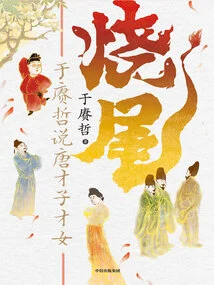
烧尾:于赓哲说唐才子才女
Yu Gengzhe
"Shaking the tail" means "the fish transforms into a dragon and climbs the dragon's gate". Since the birth of the imperial examination system, it has affected the entire Tang Dynasty society. In addition to introducing the imperial examination system and imperial examination culture, this book also tells the experiences of Li Bai, Liu Yuxi, Li Shangyin, Wen Tingjun, Li He, Meng Haoran and others related to the imperial examination and official advancement, as well as the experiences of cultural women such as Shangguan Wan'er and Xue Tao. It vividly presents the social life and style of scholars in the Tang Dynasty. What is the scene of "Inscription on the Wild Goose Pagoda" where you can see all the flowers in Chang'an in one day? Li He was unable to take the Jinshi examination due to the taboo system. Bai Juyi's experience made people lament that "rice is expensive in Chang'an, but it is not easy to live in a big city." Wen Tingyun, who was affected by the Yangzhou incident, entered the list of "unlucky people in the imperial examination" early... Their struggles and successes reflect the social, historical and cultural changes of the Tang Dynasty. Counterattacks from the bottom are always the source of social vitality and history that touches people's hearts. We can see as far into the future as we can see into the past.
"Shaking the tail" means "the fish transforms into a dragon and climbs the dragon's gate". Since the birth of the imperial examination system, it has affected the entire Tang Dynasty society. In addition to introducing the imperial examination system and imperial examination culture, this book also tells the experiences of Li Bai, Liu Yuxi, Li Shangyin, Wen Tingjun, Li He, Meng Haoran and others related to the imperial examination and official advancement, as well as the experiences of cultural women such as Shangguan Wan'er and Xue Tao. It vividly presents the social life and style of scholars in the Tang Dynasty. What is the scene of "Inscription on the Wild Goose Pagoda" where you can see all the flowers in Chang'an in one day? Li He was unable to take the Jinshi examination due to the taboo system. Bai Juyi's experience made people lament that "rice is expensive in Chang'an, but it is not easy to live in a big city." Wen Tingyun, who was affected by the Yangzhou incident, entered the list of "unlucky people in the imperial examination" early... Their struggles and successes reflect the social, historical and cultural changes of the Tang Dynasty. Counterattacks from the bottom are always the source of social vitality and history that touches people's hearts. We can see as far into the future as we can see into the past.
疾病如何改变我们的历史
Yu Gengzhe
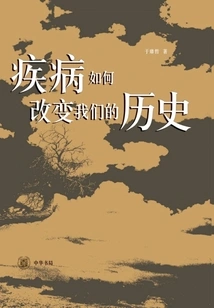
When an emperor becomes ill, will the illness cause him to make irrational decisions, or even affect the direction of a dynasty? When a poet is sick, what kind of poems does he write? What kind of situation will people face when they get sick, and what measures can be taken? The wheel of history is often changed by inadvertent pebbles; disease may be the most common pebble. This book uses diseases and methods to deal with them as a window for "reading history", covering major plagues, anti-epidemic measures, ancient medical systems, longevity medicines and politics, venereal diseases and brothel culture, mysterious and ethereal poisons and miasma, ancient surgical operations, especially the authenticity of Hua Tuo's deeds, and thigh cutting therapy. Whether pro-independence really has the effect of curing diseases... We must not only see the impact of diseases on the historical process, but also the impact of the various methods people adopted to fight diseases and pursue health and longevity, as well as the impact of diseases on ancient Chinese thought and the changes in many people's lives.
When an emperor becomes ill, will the illness cause him to make irrational decisions, or even affect the direction of a dynasty? When a poet is sick, what kind of poems does he write? What kind of situation will people face when they get sick, and what measures can be taken? The wheel of history is often changed by inadvertent pebbles; disease may be the most common pebble. This book uses diseases and methods to deal with them as a window for "reading history", covering major plagues, anti-epidemic measures, ancient medical systems, longevity medicines and politics, venereal diseases and brothel culture, mysterious and ethereal poisons and miasma, ancient surgical operations, especially the authenticity of Hua Tuo's deeds, and thigh cutting therapy. Whether pro-independence really has the effect of curing diseases... We must not only see the impact of diseases on the historical process, but also the impact of the various methods people adopted to fight diseases and pursue health and longevity, as well as the impact of diseases on ancient Chinese thought and the changes in many people's lives.
唐朝人的日常生活
Yu Gengzhe
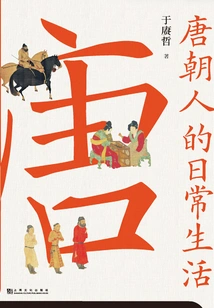
What was Wu Zetian's court like? How did the great poet Bai Juyi spend his day? What kind of wine did Li Bai drink? How did people in the Tang Dynasty call their father, mother, brothers and sisters? What are the attractions of the developed brothel culture in the Tang Dynasty? This is a multi-faceted record of the details of people's life in the Tang Dynasty. Through a detailed analysis of historical materials, the daily life of people in the Tang Dynasty is restored, including topics such as Tang Dynasty food, Datang language, Datang culture, and Datang family life. The book describes in detail the life details of all classes in the Tang Dynasty, from the court nobles to the scholars, peasants, industrialists and merchants. It is indeed a practical "Guide to Life in the Tang Dynasty".
What was Wu Zetian's court like? How did the great poet Bai Juyi spend his day? What kind of wine did Li Bai drink? How did people in the Tang Dynasty call their father, mother, brothers and sisters? What are the attractions of the developed brothel culture in the Tang Dynasty? This is a multi-faceted record of the details of people's life in the Tang Dynasty. Through a detailed analysis of historical materials, the daily life of people in the Tang Dynasty is restored, including topics such as Tang Dynasty food, Datang language, Datang culture, and Datang family life. The book describes in detail the life details of all classes in the Tang Dynasty, from the court nobles to the scholars, peasants, industrialists and merchants. It is indeed a practical "Guide to Life in the Tang Dynasty".
盛唐到底盛在哪儿
Yu Gengzhe
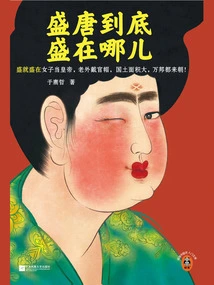
This book is a popular science book on the history of the Tang Dynasty. The author Yu Gengzhe introduces the historical knowledge of the Tang Dynasty from the nature of the Tang Dynasty, the ethnic relations in the Tang Dynasty, the external world in the eyes of the Tang people, foreigners' views on the Tang Dynasty, the impact of the Silk Road on the daily life of the Tang people, the style of many women in the Tang Dynasty, the concept of marriage and chastity in the Tang Dynasty, the black technology of the Tang Dynasty, the imperial examinations and literature of the Tang Dynasty, and analyzes the history of the Tang Dynasty. Among the many theories about the prosperous Tang Dynasty that are popular on the Internet, some are true insights, while others are groundless rumors. In this book, the author quotes extensively and the text is rich in historical knowledge. At the same time, he selects and analyzes some representative rumors on the Internet, such as the Anshi Rebellion, the Battle of Talos, Wu Zetian, etc., To help everyone understand the real Tang Dynasty. Open this book and understand where the Tang Dynasty flourished!
This book is a popular science book on the history of the Tang Dynasty. The author Yu Gengzhe introduces the historical knowledge of the Tang Dynasty from the nature of the Tang Dynasty, the ethnic relations in the Tang Dynasty, the external world in the eyes of the Tang people, foreigners' views on the Tang Dynasty, the impact of the Silk Road on the daily life of the Tang people, the style of many women in the Tang Dynasty, the concept of marriage and chastity in the Tang Dynasty, the black technology of the Tang Dynasty, the imperial examinations and literature of the Tang Dynasty, and analyzes the history of the Tang Dynasty. Among the many theories about the prosperous Tang Dynasty that are popular on the Internet, some are true insights, while others are groundless rumors. In this book, the author quotes extensively and the text is rich in historical knowledge. At the same time, he selects and analyzes some representative rumors on the Internet, such as the Anshi Rebellion, the Battle of Talos, Wu Zetian, etc., To help everyone understand the real Tang Dynasty. Open this book and understand where the Tang Dynasty flourished!
凌烟阁:大唐风云人物启示录
Yu Gengzhe
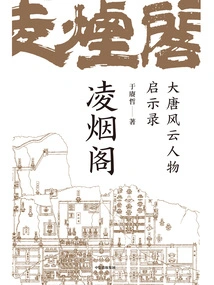
This book is a popular historical narrative that uses characters as the main clue to tell the story of dozens of Lingyan Pavilion heroes who created the historical foundation of the Tang Dynasty. Lingyan Pavilion is an attic in the Taiji Palace of Chang'an City in the Tang Dynasty. In the 17th year of Zhenguan, Emperor Taizong of the Tang Dynasty hung the portraits of 24 heroes who made outstanding achievements in the founding of the People's Republic of China and the Xuanwumen Incident in the pavilion to flaunt their merits and encourage those who are behind. Taking "Lingyan Pavilion" as the core, Mr. Yu carefully selected twenty-four representative civil servants and generals from the 300-year history of the Tang Dynasty. Starting from this extraordinary group that influenced the historical development of the Tang Dynasty, he analyzed each hero's personality and social interactions. , Prominent achievements, and even the subtle relationship between them and the emperor, we can not only see how these influential figures influenced the 300-year history of the Tang Dynasty, but also see the development trajectory of individual destiny in the great changes throughout history. While telling history, the author is also analyzing human nature. Through the varied personalities and ups and downs of individual fates, he can see clearly the intricate and intricate relationship between individuals and the times, and the games and confrontations between individuals and the times, and then guide us to think about the choices in life and understand the encounters and opportunities in life. The text structure of this book is clear, the narrative is clear and concise, and the time context runs through the entire history of the Tang Dynasty. Reading this book is to read the 300-year history of the Tang Dynasty with twinkling stars, and to feel the lifelike images of civil servants and famous generals as well as the heroic spirit of a man. It provides historical samples that can be used for reference in managing politics, rejuvenating the country, and conducting people in society.
This book is a popular historical narrative that uses characters as the main clue to tell the story of dozens of Lingyan Pavilion heroes who created the historical foundation of the Tang Dynasty. Lingyan Pavilion is an attic in the Taiji Palace of Chang'an City in the Tang Dynasty. In the 17th year of Zhenguan, Emperor Taizong of the Tang Dynasty hung the portraits of 24 heroes who made outstanding achievements in the founding of the People's Republic of China and the Xuanwumen Incident in the pavilion to flaunt their merits and encourage those who are behind. Taking "Lingyan Pavilion" as the core, Mr. Yu carefully selected twenty-four representative civil servants and generals from the 300-year history of the Tang Dynasty. Starting from this extraordinary group that influenced the historical development of the Tang Dynasty, he analyzed each hero's personality and social interactions. , Prominent achievements, and even the subtle relationship between them and the emperor, we can not only see how these influential figures influenced the 300-year history of the Tang Dynasty, but also see the development trajectory of individual destiny in the great changes throughout history. While telling history, the author is also analyzing human nature. Through the varied personalities and ups and downs of individual fates, he can see clearly the intricate and intricate relationship between individuals and the times, and the games and confrontations between individuals and the times, and then guide us to think about the choices in life and understand the encounters and opportunities in life. The text structure of this book is clear, the narrative is clear and concise, and the time context runs through the entire history of the Tang Dynasty. Reading this book is to read the 300-year history of the Tang Dynasty with twinkling stars, and to feel the lifelike images of civil servants and famous generals as well as the heroic spirit of a man. It provides historical samples that can be used for reference in managing politics, rejuvenating the country, and conducting people in society.