Library
Browse and search books
2 novels found
不许可:相机中的侵华历史
Yin Zhantang
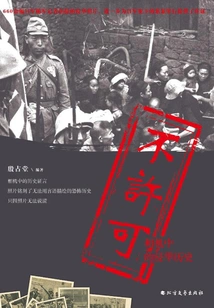
This book contains more than 660 photos of the Japanese invasion of China taken by military reporters from the Japan Mainichi News Agency. In order to control public opinion at that time, the Japanese military strengthened the press censorship system. The Ministry of War, Ministry of Navy and Intelligence Bureau censored news photos according to extremely strict and mechanical standards. In addition to confidential information such as military intelligence, photos that reflect the burning, killing and looting during the Japanese invasion of China, which are considered to damage the "image" of the Japanese army and arouse the war-weariness of soldiers, are stamped with a "not permitted" seal and are strictly prohibited from being published to the outside world. Post-war photos were exposed, further providing evidence for the numerous crimes committed by the Japanese army in China.
This book contains more than 660 photos of the Japanese invasion of China taken by military reporters from the Japan Mainichi News Agency. In order to control public opinion at that time, the Japanese military strengthened the press censorship system. The Ministry of War, Ministry of Navy and Intelligence Bureau censored news photos according to extremely strict and mechanical standards. In addition to confidential information such as military intelligence, photos that reflect the burning, killing and looting during the Japanese invasion of China, which are considered to damage the "image" of the Japanese army and arouse the war-weariness of soldiers, are stamped with a "not permitted" seal and are strictly prohibited from being published to the outside world. Post-war photos were exposed, further providing evidence for the numerous crimes committed by the Japanese army in China.
不许可:日军随军记者相机中的侵华历史
Yin Zhantang
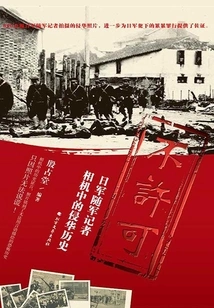
This book contains more than 660 photos of the Japanese invasion of China taken by military reporters from the Japan Mainichi News Agency. In order to control public opinion at that time, the Japanese military strengthened the press censorship system. The Ministry of War, Ministry of Navy and Intelligence Bureau censored news photos according to extremely strict and mechanical standards. In addition to confidential information such as military intelligence, photos that reflect the burning, killing and looting during the Japanese invasion of China, which are considered to damage the "image" of the Japanese army and arouse the war-weariness of soldiers, are stamped with a "not permitted" seal and are strictly prohibited from being published to the outside world. Post-war photos were exposed, further providing evidence for the numerous crimes committed by the Japanese army in China.
This book contains more than 660 photos of the Japanese invasion of China taken by military reporters from the Japan Mainichi News Agency. In order to control public opinion at that time, the Japanese military strengthened the press censorship system. The Ministry of War, Ministry of Navy and Intelligence Bureau censored news photos according to extremely strict and mechanical standards. In addition to confidential information such as military intelligence, photos that reflect the burning, killing and looting during the Japanese invasion of China, which are considered to damage the "image" of the Japanese army and arouse the war-weariness of soldiers, are stamped with a "not permitted" seal and are strictly prohibited from being published to the outside world. Post-war photos were exposed, further providing evidence for the numerous crimes committed by the Japanese army in China.