Library
Browse and search books
2 novels found
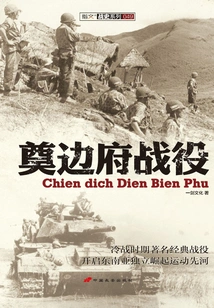
Battle of Dien Bien Phu
Military奠边府战役
Yijian Culture
In 1954, a decisive battle in the First Indochina War took place in Indochina, which was the Battle of Dien Bien Phu. The Battle of Dien Bien Phu lasted for nearly three months. The Vietnamese People's Army, under the assistance and guidance of the Chinese Military Advisory Group, and France, supported by the United States and other Western capitalist developed countries, invested a large amount of manpower and material resources. Both sides paid a great price and performed a massive battle on the battlefield. The First Indochina War was initially launched by France. France was ultimately defeated in the Battle of Dien Bien Phu, which prompted the signing of the Geneva Accords, which ultimately resulted in the division of North and South Vietnam with the 17° north latitude line as the dividing line. The First Indochina War came to an end.
In 1954, a decisive battle in the First Indochina War took place in Indochina, which was the Battle of Dien Bien Phu. The Battle of Dien Bien Phu lasted for nearly three months. The Vietnamese People's Army, under the assistance and guidance of the Chinese Military Advisory Group, and France, supported by the United States and other Western capitalist developed countries, invested a large amount of manpower and material resources. Both sides paid a great price and performed a massive battle on the battlefield. The First Indochina War was initially launched by France. France was ultimately defeated in the Battle of Dien Bien Phu, which prompted the signing of the Geneva Accords, which ultimately resulted in the division of North and South Vietnam with the 17° north latitude line as the dividing line. The First Indochina War came to an end.
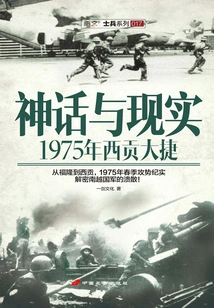
神话与现实:1975西贡大捷
Yijian Culture
In 1975, it was the 15th anniversary of the outbreak of the Vietnam War and the second anniversary of the signing of the Paris Peace Accord. Just when everyone thought that North and South Vietnam had transitioned from years of armed struggle to a peaceful economic construction track, the Vietnamese People's Army unexpectedly launched a spring offensive. From the fall of Phuoc Long to the fall of Buon Ma Thuot, the situation in South Vietnam reversed. North Vietnam seized the opportunity to send troops southward and finally captured Saigon. In just 55 days of decisive battle, the 700,000-strong army of the Republic of Vietnam, once a powerful army in Southeast Asia, was wiped out. This victory has triggered many speculations in the world, whether it is a miracle or a myth. The answer can be found in the book "Myth and Reality: The Great Victory of Saigon in 1975".
In 1975, it was the 15th anniversary of the outbreak of the Vietnam War and the second anniversary of the signing of the Paris Peace Accord. Just when everyone thought that North and South Vietnam had transitioned from years of armed struggle to a peaceful economic construction track, the Vietnamese People's Army unexpectedly launched a spring offensive. From the fall of Phuoc Long to the fall of Buon Ma Thuot, the situation in South Vietnam reversed. North Vietnam seized the opportunity to send troops southward and finally captured Saigon. In just 55 days of decisive battle, the 700,000-strong army of the Republic of Vietnam, once a powerful army in Southeast Asia, was wiped out. This victory has triggered many speculations in the world, whether it is a miracle or a myth. The answer can be found in the book "Myth and Reality: The Great Victory of Saigon in 1975".