Library
Browse and search novels
1 novel found
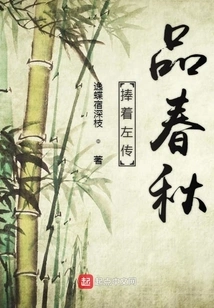
Holding Zuo Chuanpin Chunqiu
History捧着左传品春秋
Yi Die Su Shenzhi
The Spring and Autumn Period is one of the important parts of the historical stage of the Eastern Zhou Dynasty in my country. The "Spring and Autumn" of the State of Lu, compiled by Confucius, is an important historical document for understanding this period of history. Reading the "Spring and Autumn" thoroughly is one of the essential homework for every history lover. This book attempts to use "Spring and Autumn" as the basis, with supplements and explanations from "Zuo Zhuan", by connecting the history that occurred in the periods of Yin Gong, Huan Gong, Zhuang Gong, Ming Gong, Xi Gong, Wen Gong, Xuangong, Cheng Gong, Xiang Gong, Zhao Gong, Dinggong, Ai Gong and other periods. And according to the writing habits and historical chronological order of "Spring and Autumn", we find out the mainstream historical line in this stage, so that readers can follow the order of the original book of "Spring and Autumn" and establish a big historical concept of Spring and Autumn. Because the language used to record events in the "Spring and Autumn" is extremely concise, almost every sentence and text has a connotation of praise or criticism, which is called "Spring and Autumn writing style, subtle words and big meanings" by later generations. Therefore, many supplements, explanations, arguments, and enlightenment books on the history of "Spring and Autumn" appeared later. The more famous ones are called "Three Biography of Spring and Autumn": "Zuo Zhuan", "Gongyang Zhuan", and "Gu Liang Zhuan". Each of these three biographies has its own emphasis. For example, "Zuo Zhuan" is good at recording events; "Gongyang" focuses on questions and answers; "Hu Liang" was written during the Western Han Dynasty and specializes in thoughts. Therefore, this is the purpose of reading "Spring and Autumn" from "Zuo Zhuan". Again, we strive to use popular language to enjoy reading and learn about history happily, combined with literary sources such as "The Book of Songs, Idioms, and Allusions" to allow us to increase our knowledge in the process of reading.
The Spring and Autumn Period is one of the important parts of the historical stage of the Eastern Zhou Dynasty in my country. The "Spring and Autumn" of the State of Lu, compiled by Confucius, is an important historical document for understanding this period of history. Reading the "Spring and Autumn" thoroughly is one of the essential homework for every history lover. This book attempts to use "Spring and Autumn" as the basis, with supplements and explanations from "Zuo Zhuan", by connecting the history that occurred in the periods of Yin Gong, Huan Gong, Zhuang Gong, Ming Gong, Xi Gong, Wen Gong, Xuangong, Cheng Gong, Xiang Gong, Zhao Gong, Dinggong, Ai Gong and other periods. And according to the writing habits and historical chronological order of "Spring and Autumn", we find out the mainstream historical line in this stage, so that readers can follow the order of the original book of "Spring and Autumn" and establish a big historical concept of Spring and Autumn. Because the language used to record events in the "Spring and Autumn" is extremely concise, almost every sentence and text has a connotation of praise or criticism, which is called "Spring and Autumn writing style, subtle words and big meanings" by later generations. Therefore, many supplements, explanations, arguments, and enlightenment books on the history of "Spring and Autumn" appeared later. The more famous ones are called "Three Biography of Spring and Autumn": "Zuo Zhuan", "Gongyang Zhuan", and "Gu Liang Zhuan". Each of these three biographies has its own emphasis. For example, "Zuo Zhuan" is good at recording events; "Gongyang" focuses on questions and answers; "Hu Liang" was written during the Western Han Dynasty and specializes in thoughts. Therefore, this is the purpose of reading "Spring and Autumn" from "Zuo Zhuan". Again, we strive to use popular language to enjoy reading and learn about history happily, combined with literary sources such as "The Book of Songs, Idioms, and Allusions" to allow us to increase our knowledge in the process of reading.