Library
Browse and search books
2 novels found
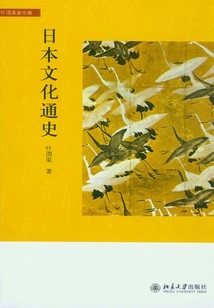
日本文化通史
Ye Weiqu
This volume of the General History of Japanese Culture (approximately 400,000 words) first discusses in detail the religious, literary, artistic and academic achievements independently generated by the Japanese ancestors in the natural customs and life practices of the island country, as well as the cultural spirit condensed from these achievements. At the same time, it briefly describes the organic connection between the formation of these cultures and the history of Japanese political and social development. Secondly, from a comparative perspective, it discusses Japan's long history of interacting with China and integrating Chinese culture for more than a thousand years, as well as its fresh experience of communicating with the West and adapting to Western culture for more than a hundred years in modern times. In addition, in the cultural exchanges with foreign countries, there have been ideological trends of total "Chinese style" and total "foreign style", and even fell into the dark age of culture. Finally, through the enlightenment of ancient civilization and the enlightenment of modern civilization, "harmony of Han talents" and "harmony of foreign talents" were used as the guiding ideology of foreign cultural exchanges, and a cultural model of "conflict, coexistence and integration" was built, absorbing and digesting foreign culture, and creating Japan's unique religion, literature, art, and academics that occupy the core cultural values.
This volume of the General History of Japanese Culture (approximately 400,000 words) first discusses in detail the religious, literary, artistic and academic achievements independently generated by the Japanese ancestors in the natural customs and life practices of the island country, as well as the cultural spirit condensed from these achievements. At the same time, it briefly describes the organic connection between the formation of these cultures and the history of Japanese political and social development. Secondly, from a comparative perspective, it discusses Japan's long history of interacting with China and integrating Chinese culture for more than a thousand years, as well as its fresh experience of communicating with the West and adapting to Western culture for more than a hundred years in modern times. In addition, in the cultural exchanges with foreign countries, there have been ideological trends of total "Chinese style" and total "foreign style", and even fell into the dark age of culture. Finally, through the enlightenment of ancient civilization and the enlightenment of modern civilization, "harmony of Han talents" and "harmony of foreign talents" were used as the guiding ideology of foreign cultural exchanges, and a cultural model of "conflict, coexistence and integration" was built, absorbing and digesting foreign culture, and creating Japan's unique religion, literature, art, and academics that occupy the core cultural values.
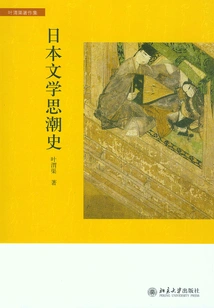
History of Japanese Literary Thoughts
Literature日本文学思潮史
Ye Weiqu
"History of Japanese Literary Thoughts" combs and introduces Japan's various cultural chaotic states in ancient times, the independent generation of original literary consciousness, realistic "truth", romantic "material sorrow", symbolic "empty silence" and "idle silence", etc., And systematically discusses the development process of literary trends in modern Japanese realism, romanticism, naturalism, aestheticism, modernism, as well as post-war literary trends with Japanese characteristics, scoundrel literary trends and other ideological trends. "History of Japanese Literary Thoughts" provides an in-depth analysis of the internal inevitability and external factors of the occurrence, development, prosperity, and decline of various literary trends of thought. At the same time, the correspondence and continuity in the evolution of Japanese literary trends from conceptual forms to ism forms are discussed to highlight their national characteristics.
"History of Japanese Literary Thoughts" combs and introduces Japan's various cultural chaotic states in ancient times, the independent generation of original literary consciousness, realistic "truth", romantic "material sorrow", symbolic "empty silence" and "idle silence", etc., And systematically discusses the development process of literary trends in modern Japanese realism, romanticism, naturalism, aestheticism, modernism, as well as post-war literary trends with Japanese characteristics, scoundrel literary trends and other ideological trends. "History of Japanese Literary Thoughts" provides an in-depth analysis of the internal inevitability and external factors of the occurrence, development, prosperity, and decline of various literary trends of thought. At the same time, the correspondence and continuity in the evolution of Japanese literary trends from conceptual forms to ism forms are discussed to highlight their national characteristics.