Library
Browse and search books
21 novels found
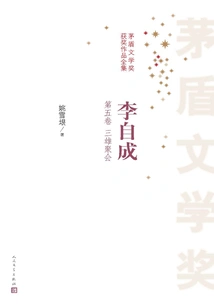
Li Zicheng (volume 5: the Gathering of the Three Heroes)
General Fiction李自成(第五卷 三雄聚会)
Yao Xueyin
This book mainly describes the peasant war in the late Ming Dynasty, but also describes the national wars within China between the Ming and Qing Dynasties and between the Qing Dynasty and the Shun Dynasty. It depicts representatives of different classes and pictures of their lives, as well as the intricate and contradictory relationships between various classes and groups, and unfolds a colorful historical picture. The author uses the principle of "going deep into history and jumping out of history" to describe the intricate historical process and the magnificent peasant uprising of more than 300 years ago. The novel takes the peasant uprising army led by Li Zicheng in the late Ming Dynasty from weak to strong, turning defeat into victory, overthrowing the rule of the Ming Dynasty, and resisting the southward march of the Qing army as the main clue. It reproduces the changing historical landscape of the late Ming and early Qing dynasty and the tragic ending of the peasant uprising army from victory to defeat from multiple angles, multi-facets, and multi-levels, and reveals the law of the development of peasant wars and historical movements.
This book mainly describes the peasant war in the late Ming Dynasty, but also describes the national wars within China between the Ming and Qing Dynasties and between the Qing Dynasty and the Shun Dynasty. It depicts representatives of different classes and pictures of their lives, as well as the intricate and contradictory relationships between various classes and groups, and unfolds a colorful historical picture. The author uses the principle of "going deep into history and jumping out of history" to describe the intricate historical process and the magnificent peasant uprising of more than 300 years ago. The novel takes the peasant uprising army led by Li Zicheng in the late Ming Dynasty from weak to strong, turning defeat into victory, overthrowing the rule of the Ming Dynasty, and resisting the southward march of the Qing army as the main clue. It reproduces the changing historical landscape of the late Ming and early Qing dynasty and the tragic ending of the peasant uprising army from victory to defeat from multiple angles, multi-facets, and multi-levels, and reveals the law of the development of peasant wars and historical movements.
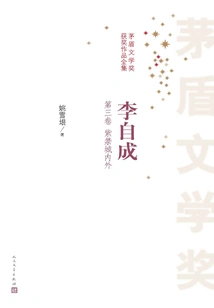
Li Zicheng (volume 3: Inside and Outside the Forbidden City)
General Fiction李自成(第三卷 紫禁城内外)
Yao Xueyin
This book mainly describes the peasant war in the late Ming Dynasty, but also describes the national wars within China between the Ming and Qing Dynasties and between the Qing Dynasty and the Shun Dynasty. It depicts representatives of different classes and pictures of their lives, as well as the intricate and contradictory relationships between various classes and groups, and unfolds a colorful historical picture. The author uses the principle of "going deep into history and jumping out of history" to describe the intricate historical process and the magnificent peasant uprising of more than 300 years ago. The novel takes the peasant uprising army led by Li Zicheng in the late Ming Dynasty from weak to strong, turning defeat into victory, overthrowing the rule of the Ming Dynasty, and resisting the southward march of the Qing army as the main clue. It reproduces the changing historical landscape of the late Ming and early Qing dynasty and the tragic ending of the peasant uprising army from victory to defeat from multiple angles, multi-facets, and multi-levels, and reveals the law of the development of peasant wars and historical movements.
This book mainly describes the peasant war in the late Ming Dynasty, but also describes the national wars within China between the Ming and Qing Dynasties and between the Qing Dynasty and the Shun Dynasty. It depicts representatives of different classes and pictures of their lives, as well as the intricate and contradictory relationships between various classes and groups, and unfolds a colorful historical picture. The author uses the principle of "going deep into history and jumping out of history" to describe the intricate historical process and the magnificent peasant uprising of more than 300 years ago. The novel takes the peasant uprising army led by Li Zicheng in the late Ming Dynasty from weak to strong, turning defeat into victory, overthrowing the rule of the Ming Dynasty, and resisting the southward march of the Qing army as the main clue. It reproduces the changing historical landscape of the late Ming and early Qing dynasty and the tragic ending of the peasant uprising army from victory to defeat from multiple angles, multi-facets, and multi-levels, and reveals the law of the development of peasant wars and historical movements.
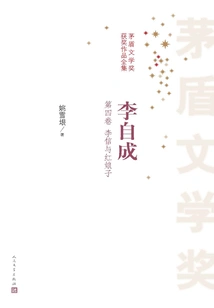
Li Zicheng (volume 4 Li Xin and the Red Lady)
General Fiction李自成(第四卷 李信与红娘子)
Yao Xueyin
This book mainly describes the peasant war in the late Ming Dynasty, but also describes the national wars within China between the Ming and Qing Dynasties and between the Qing Dynasty and the Shun Dynasty. It depicts representatives of different classes and pictures of their lives, as well as the intricate and contradictory relationships between various classes and groups, and unfolds a colorful historical picture. The author uses the principle of "going deep into history and jumping out of history" to describe the intricate historical process and the magnificent peasant uprising of more than 300 years ago. The novel takes the peasant uprising army led by Li Zicheng in the late Ming Dynasty from weak to strong, turning defeat into victory, overthrowing the rule of the Ming Dynasty, and resisting the southward march of the Qing army as the main clue. It reproduces the changing historical landscape of the late Ming and early Qing dynasty and the tragic ending of the peasant uprising army from victory to defeat from multiple angles, multi-facets, and multi-levels, and reveals the law of the development of peasant wars and historical movements.
This book mainly describes the peasant war in the late Ming Dynasty, but also describes the national wars within China between the Ming and Qing Dynasties and between the Qing Dynasty and the Shun Dynasty. It depicts representatives of different classes and pictures of their lives, as well as the intricate and contradictory relationships between various classes and groups, and unfolds a colorful historical picture. The author uses the principle of "going deep into history and jumping out of history" to describe the intricate historical process and the magnificent peasant uprising of more than 300 years ago. The novel takes the peasant uprising army led by Li Zicheng in the late Ming Dynasty from weak to strong, turning defeat into victory, overthrowing the rule of the Ming Dynasty, and resisting the southward march of the Qing army as the main clue. It reproduces the changing historical landscape of the late Ming and early Qing dynasty and the tragic ending of the peasant uprising army from victory to defeat from multiple angles, multi-facets, and multi-levels, and reveals the law of the development of peasant wars and historical movements.
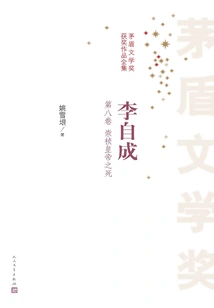
Li Zicheng (volume 8: Death of Emperor Chongzhen)
General Fiction李自成(第八卷 崇祯皇帝之死)
Yao Xueyin
This book mainly describes the peasant war in the late Ming Dynasty, but also describes the national wars within China between the Ming and Qing Dynasties and between the Qing Dynasty and the Shun Dynasty. It depicts representatives of different classes and pictures of their lives, as well as the intricate and contradictory relationships between various classes and groups, and unfolds a colorful historical picture. The author uses the principle of "going deep into history and jumping out of history" to describe the intricate historical process and the magnificent peasant uprising of more than 300 years ago. The novel takes the peasant uprising army led by Li Zicheng in the late Ming Dynasty from weak to strong, turning defeat into victory, overthrowing the rule of the Ming Dynasty, and resisting the southward march of the Qing army as the main clue. It reproduces the changing historical landscape of the late Ming and early Qing dynasty and the tragic ending of the peasant uprising army from victory to defeat from multiple angles, multi-facets, and multi-levels, and reveals the law of the development of peasant wars and historical movements.
This book mainly describes the peasant war in the late Ming Dynasty, but also describes the national wars within China between the Ming and Qing Dynasties and between the Qing Dynasty and the Shun Dynasty. It depicts representatives of different classes and pictures of their lives, as well as the intricate and contradictory relationships between various classes and groups, and unfolds a colorful historical picture. The author uses the principle of "going deep into history and jumping out of history" to describe the intricate historical process and the magnificent peasant uprising of more than 300 years ago. The novel takes the peasant uprising army led by Li Zicheng in the late Ming Dynasty from weak to strong, turning defeat into victory, overthrowing the rule of the Ming Dynasty, and resisting the southward march of the Qing army as the main clue. It reproduces the changing historical landscape of the late Ming and early Qing dynasty and the tragic ending of the peasant uprising army from victory to defeat from multiple angles, multi-facets, and multi-levels, and reveals the law of the development of peasant wars and historical movements.
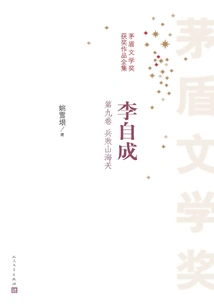
Li Zicheng (volume 9: Defeated Shanhaiguan)
General Fiction李自成(第九卷 兵败山海关)
Yao Xueyin
This book mainly describes the peasant war in the late Ming Dynasty, but also describes the national wars within China between the Ming and Qing Dynasties and between the Qing Dynasty and the Shun Dynasty. It depicts representatives of different classes and pictures of their lives, as well as the intricate and contradictory relationships between various classes and groups, and unfolds a colorful historical picture. The author uses the principle of "going deep into history and jumping out of history" to describe the intricate historical process and the magnificent peasant uprising of more than 300 years ago. The novel takes the peasant uprising army led by Li Zicheng in the late Ming Dynasty from weak to strong, turning defeat into victory, overthrowing the rule of the Ming Dynasty, and resisting the southward march of the Qing army as the main clue. It reproduces the changing historical landscape of the late Ming and early Qing dynasty and the tragic ending of the peasant uprising army from victory to defeat from multiple angles, multi-facets, and multi-levels, and reveals the law of the development of peasant wars and historical movements.
This book mainly describes the peasant war in the late Ming Dynasty, but also describes the national wars within China between the Ming and Qing Dynasties and between the Qing Dynasty and the Shun Dynasty. It depicts representatives of different classes and pictures of their lives, as well as the intricate and contradictory relationships between various classes and groups, and unfolds a colorful historical picture. The author uses the principle of "going deep into history and jumping out of history" to describe the intricate historical process and the magnificent peasant uprising of more than 300 years ago. The novel takes the peasant uprising army led by Li Zicheng in the late Ming Dynasty from weak to strong, turning defeat into victory, overthrowing the rule of the Ming Dynasty, and resisting the southward march of the Qing army as the main clue. It reproduces the changing historical landscape of the late Ming and early Qing dynasty and the tragic ending of the peasant uprising army from victory to defeat from multiple angles, multi-facets, and multi-levels, and reveals the law of the development of peasant wars and historical movements.
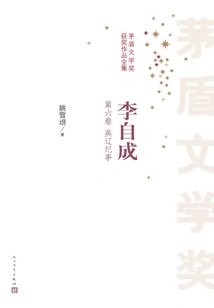
Li Zicheng (volume Six: Chronicles of Yan and Liao)
General Fiction李自成(第六卷 燕辽纪事)
Yao Xueyin
This book mainly describes the peasant war in the late Ming Dynasty, but also describes the national wars within China between the Ming and Qing Dynasties and between the Qing Dynasty and the Shun Dynasty. It depicts representatives of different classes and pictures of their lives, as well as the intricate and contradictory relationships between various classes and groups, and unfolds a colorful historical picture. The author uses the principle of "going deep into history and jumping out of history" to describe the intricate historical process and the magnificent peasant uprising of more than 300 years ago. The novel takes the peasant uprising army led by Li Zicheng in the late Ming Dynasty from weak to strong, turning defeat into victory, overthrowing the rule of the Ming Dynasty, and resisting the southward march of the Qing army as the main clue. It reproduces the changing historical landscape of the late Ming and early Qing dynasty and the tragic ending of the peasant uprising army from victory to defeat from multiple angles, multi-facets, and multi-levels, and reveals the law of the development of peasant wars and historical movements.
This book mainly describes the peasant war in the late Ming Dynasty, but also describes the national wars within China between the Ming and Qing Dynasties and between the Qing Dynasty and the Shun Dynasty. It depicts representatives of different classes and pictures of their lives, as well as the intricate and contradictory relationships between various classes and groups, and unfolds a colorful historical picture. The author uses the principle of "going deep into history and jumping out of history" to describe the intricate historical process and the magnificent peasant uprising of more than 300 years ago. The novel takes the peasant uprising army led by Li Zicheng in the late Ming Dynasty from weak to strong, turning defeat into victory, overthrowing the rule of the Ming Dynasty, and resisting the southward march of the Qing army as the main clue. It reproduces the changing historical landscape of the late Ming and early Qing dynasty and the tragic ending of the peasant uprising army from victory to defeat from multiple angles, multi-facets, and multi-levels, and reveals the law of the development of peasant wars and historical movements.
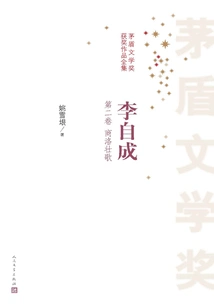
Li Zicheng (volume 2: Shangluo Zhuangge)
General Fiction李自成(第二卷 商洛壮歌)
Yao Xueyin
This book mainly describes the peasant war in the late Ming Dynasty, but also describes the national wars within China between the Ming and Qing Dynasties and between the Qing Dynasty and the Shun Dynasty. It depicts representatives of different classes and pictures of their lives, as well as the intricate and contradictory relationships between various classes and groups, and unfolds a colorful historical picture. The author uses the principle of "going deep into history and jumping out of history" to describe the intricate historical process and the magnificent peasant uprising of more than 300 years ago. The novel takes the peasant uprising army led by Li Zicheng in the late Ming Dynasty from weak to strong, turning defeat into victory, overthrowing the rule of the Ming Dynasty, and resisting the southward march of the Qing army as the main clue. It reproduces the changing historical landscape of the late Ming and early Qing dynasty and the tragic ending of the peasant uprising army from victory to defeat from multiple angles, multi-facets, and multi-levels, and reveals the law of the development of peasant wars and historical movements.
This book mainly describes the peasant war in the late Ming Dynasty, but also describes the national wars within China between the Ming and Qing Dynasties and between the Qing Dynasty and the Shun Dynasty. It depicts representatives of different classes and pictures of their lives, as well as the intricate and contradictory relationships between various classes and groups, and unfolds a colorful historical picture. The author uses the principle of "going deep into history and jumping out of history" to describe the intricate historical process and the magnificent peasant uprising of more than 300 years ago. The novel takes the peasant uprising army led by Li Zicheng in the late Ming Dynasty from weak to strong, turning defeat into victory, overthrowing the rule of the Ming Dynasty, and resisting the southward march of the Qing army as the main clue. It reproduces the changing historical landscape of the late Ming and early Qing dynasty and the tragic ending of the peasant uprising army from victory to defeat from multiple angles, multi-facets, and multi-levels, and reveals the law of the development of peasant wars and historical movements.
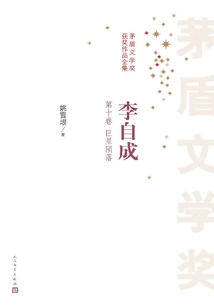
Li Zicheng (volume 10: the Fall of a Superstar)
General Fiction李自成(第十卷 巨星陨落)
Yao Xueyin
This book mainly describes the peasant war in the late Ming Dynasty, but also describes the national wars within China between the Ming and Qing Dynasties and between the Qing Dynasty and the Shun Dynasty. It depicts representatives of different classes and pictures of their lives, as well as the intricate and contradictory relationships between various classes and groups, and unfolds a colorful historical picture. The author uses the principle of "going deep into history and jumping out of history" to describe the intricate historical process and the magnificent peasant uprising of more than 300 years ago. The novel takes the peasant uprising army led by Li Zicheng in the late Ming Dynasty from weak to strong, turning defeat into victory, overthrowing the rule of the Ming Dynasty, and resisting the southward march of the Qing army as the main clue. It reproduces the changing historical landscape of the late Ming and early Qing dynasty and the tragic ending of the peasant uprising army from victory to defeat from multiple angles, multi-facets, and multi-levels, and reveals the law of the development of peasant wars and historical movements.
This book mainly describes the peasant war in the late Ming Dynasty, but also describes the national wars within China between the Ming and Qing Dynasties and between the Qing Dynasty and the Shun Dynasty. It depicts representatives of different classes and pictures of their lives, as well as the intricate and contradictory relationships between various classes and groups, and unfolds a colorful historical picture. The author uses the principle of "going deep into history and jumping out of history" to describe the intricate historical process and the magnificent peasant uprising of more than 300 years ago. The novel takes the peasant uprising army led by Li Zicheng in the late Ming Dynasty from weak to strong, turning defeat into victory, overthrowing the rule of the Ming Dynasty, and resisting the southward march of the Qing army as the main clue. It reproduces the changing historical landscape of the late Ming and early Qing dynasty and the tragic ending of the peasant uprising army from victory to defeat from multiple angles, multi-facets, and multi-levels, and reveals the law of the development of peasant wars and historical movements.
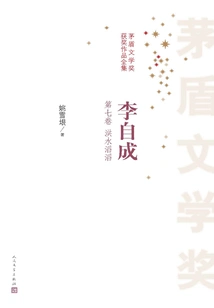
Li Zicheng (volume 7: the Flood)
General Fiction李自成(第七卷 洪水滔滔)
Yao Xueyin
This book mainly describes the peasant war in the late Ming Dynasty, but also describes the national wars within China between the Ming and Qing Dynasties and between the Qing Dynasty and the Shun Dynasty. It depicts representatives of different classes and pictures of their lives, as well as the intricate and contradictory relationships between various classes and groups, and unfolds a colorful historical picture. The author uses the principle of "going deep into history and jumping out of history" to describe the intricate historical process and the magnificent peasant uprising of more than 300 years ago. The novel takes the peasant uprising army led by Li Zicheng in the late Ming Dynasty from weak to strong, turning defeat into victory, overthrowing the rule of the Ming Dynasty, and resisting the southward march of the Qing army as the main clue. It reproduces the changing historical landscape of the late Ming and early Qing dynasty and the tragic ending of the peasant uprising army from victory to defeat from multiple angles, multi-facets, and multi-levels, and reveals the law of the development of peasant wars and historical movements.
This book mainly describes the peasant war in the late Ming Dynasty, but also describes the national wars within China between the Ming and Qing Dynasties and between the Qing Dynasty and the Shun Dynasty. It depicts representatives of different classes and pictures of their lives, as well as the intricate and contradictory relationships between various classes and groups, and unfolds a colorful historical picture. The author uses the principle of "going deep into history and jumping out of history" to describe the intricate historical process and the magnificent peasant uprising of more than 300 years ago. The novel takes the peasant uprising army led by Li Zicheng in the late Ming Dynasty from weak to strong, turning defeat into victory, overthrowing the rule of the Ming Dynasty, and resisting the southward march of the Qing army as the main clue. It reproduces the changing historical landscape of the late Ming and early Qing dynasty and the tragic ending of the peasant uprising army from victory to defeat from multiple angles, multi-facets, and multi-levels, and reveals the law of the development of peasant wars and historical movements.
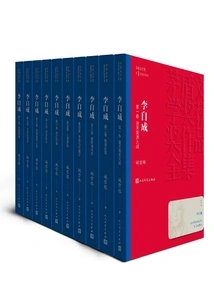
Li Zicheng (10 Volumes in Total)
General Fiction李自成(全10册)
Yao Xueyin
The novel takes the peasant uprising army led by Li Zicheng in the late Ming Dynasty from weak to strong, turning defeat into victory to overthrow the rule of the Ming Dynasty, and resist the Qing army's march south as the main clue. It reproduces the changing historical landscape of the late Ming and early Qing dynasty and the tragic ending of the peasant uprising army from victory to defeat from multiple angles, multi-facets and multi-levels. It reveals the laws of the development of peasant wars and historical movements, and creates a series of vivid historical figures.
The novel takes the peasant uprising army led by Li Zicheng in the late Ming Dynasty from weak to strong, turning defeat into victory to overthrow the rule of the Ming Dynasty, and resist the Qing army's march south as the main clue. It reproduces the changing historical landscape of the late Ming and early Qing dynasty and the tragic ending of the peasant uprising army from victory to defeat from multiple angles, multi-facets and multi-levels. It reveals the laws of the development of peasant wars and historical movements, and creates a series of vivid historical figures.
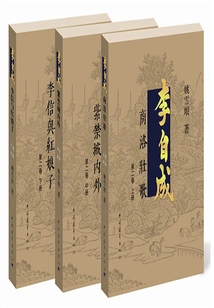
Li Zicheng (volume 2): Shangluo Zhuangge
General Fiction李自成(第二卷):商洛壮歌
Yao Xueyin
The Mao Dun Literature Award-winning work "Li Zicheng" has achieved many achievements. First of all, it successfully portrays a series of characters such as Li Zicheng and Emperor Chongzhen. The changes in Li Zicheng's thought and character, as well as Emperor Chongzhen's night clothes and food when he maintained the precarious political power, are all written with depth and breadth. Secondly, the novel devotes much time and effort to social life scenes in the late Ming and early Qing dynasties. From the palace to the battlefield, from the capital to the countryside, there is no lack of vivid descriptions; from political competitions to battlefield confrontations, from laws and etiquette to human relations and customs, the descriptions are mostly detailed and realistic.
The Mao Dun Literature Award-winning work "Li Zicheng" has achieved many achievements. First of all, it successfully portrays a series of characters such as Li Zicheng and Emperor Chongzhen. The changes in Li Zicheng's thought and character, as well as Emperor Chongzhen's night clothes and food when he maintained the precarious political power, are all written with depth and breadth. Secondly, the novel devotes much time and effort to social life scenes in the late Ming and early Qing dynasties. From the palace to the battlefield, from the capital to the countryside, there is no lack of vivid descriptions; from political competitions to battlefield confrontations, from laws and etiquette to human relations and customs, the descriptions are mostly detailed and realistic.
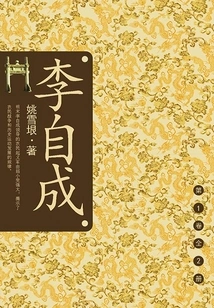
Li Zicheng (volume 1): Battle of Tongguan Nanyuan
General Fiction李自成(第1卷):潼关南原大战
Yao Xueyin
The story of this book takes place in the eleventh year of Chongzhen (1638 AD). In early October of this year, Beijing was under martial law again. Qing troops entered the fortress again, and a sharp conflict broke out between the peace faction and the war faction within the court. Under the situation of internal and external troubles, Chongzhen's various contradictions and character traits in his spiritual world were initially revealed: on the one hand, he lived late at night, did not indulge in wine and sex, was hands-on in everything, and was diligent in government affairs. He wanted to be a "wise king" and "master of resurgence" and save the Ming Dynasty from crisis and decline. On the other hand, he was headstrong, suspicious and fickle, which paved the way for the destruction of Beijing, Chongzhen's suicide, and the demise of the Ming Dynasty six years later.
The story of this book takes place in the eleventh year of Chongzhen (1638 AD). In early October of this year, Beijing was under martial law again. Qing troops entered the fortress again, and a sharp conflict broke out between the peace faction and the war faction within the court. Under the situation of internal and external troubles, Chongzhen's various contradictions and character traits in his spiritual world were initially revealed: on the one hand, he lived late at night, did not indulge in wine and sex, was hands-on in everything, and was diligent in government affairs. He wanted to be a "wise king" and "master of resurgence" and save the Ming Dynasty from crisis and decline. On the other hand, he was headstrong, suspicious and fickle, which paved the way for the destruction of Beijing, Chongzhen's suicide, and the demise of the Ming Dynasty six years later.
Li Zicheng (volume 5): Defeated Shanhaiguan
General Fiction李自成(第5卷):兵败山海关
Yao Xueyin
This volume is divided into two volumes: upper and lower. In April of the Jiashen year, Dorgon, with his ambitious ambition to dominate China, personally led his army to the south. On the way, he received a letter from Wu Sangui to "borrow troops" and decisively changed his route and went straight to Shanhaiguan. Wu Sangui was forced to take refuge with the Qing side under attack from two sides. Li Zicheng led the Dashun Army and Wu Sangui's Guanning Army fought fiercely at Shanhaiguan. The Qing cavalry suddenly rushed out. The Dashun Army fought bravely and suffered heavy casualties. Li Zicheng led his defeated troops back to Beijing. After he hurriedly ascended the throne, he hurriedly withdrew from Beijing. On the way back to Shaanxi, the Dashun Army suffered another series of defeats.
This volume is divided into two volumes: upper and lower. In April of the Jiashen year, Dorgon, with his ambitious ambition to dominate China, personally led his army to the south. On the way, he received a letter from Wu Sangui to "borrow troops" and decisively changed his route and went straight to Shanhaiguan. Wu Sangui was forced to take refuge with the Qing side under attack from two sides. Li Zicheng led the Dashun Army and Wu Sangui's Guanning Army fought fiercely at Shanhaiguan. The Qing cavalry suddenly rushed out. The Dashun Army fought bravely and suffered heavy casualties. Li Zicheng led his defeated troops back to Beijing. After he hurriedly ascended the throne, he hurriedly withdrew from Beijing. On the way back to Shaanxi, the Dashun Army suffered another series of defeats.
Li Zicheng (volume 3): Chronicles of Yan and Liao
General Fiction李自成(第3卷):燕辽纪事
Yao Xueyin
This volume is divided into three volumes: upper, middle and lower volumes. It reflects the story that happened from February of the 14th year of Chongzhen to the beginning of December of the 15th year of Chongzhen. After Li Zicheng defeated Luoyang, he gained great momentum. He defeated and annihilated the main force of the Ming Army several times in Henan and attacked Kaifeng three times. This volume focuses on the second and third battles of Kaifeng and the battle of Zhuxian Town. Each battle has its own characteristics. In Kaifeng, a city with a population of hundreds of thousands, many people starved to death during the siege of the city for several months. Finally, the Ming army blew up the river embankments during the autumn floods, flooding Kaifeng and killing countless people.
This volume is divided into three volumes: upper, middle and lower volumes. It reflects the story that happened from February of the 14th year of Chongzhen to the beginning of December of the 15th year of Chongzhen. After Li Zicheng defeated Luoyang, he gained great momentum. He defeated and annihilated the main force of the Ming Army several times in Henan and attacked Kaifeng three times. This volume focuses on the second and third battles of Kaifeng and the battle of Zhuxian Town. Each battle has its own characteristics. In Kaifeng, a city with a population of hundreds of thousands, many people starved to death during the siege of the city for several months. Finally, the Ming army blew up the river embankments during the autumn floods, flooding Kaifeng and killing countless people.
Li Zicheng (volume 4): Death of Emperor Chongzhen
General Fiction李自成(第4卷):崇祯皇帝之死
Yao Xueyin
This volume is divided into two volumes: upper and lower. It reflects the earth-shaking events that happened in China in just over a hundred days from mid-December of the 16th year of Chongzhen to early April of the 17th year of Chongzhen. After Li Zicheng returned to Chang'an from Mizhi to worship his ancestors, he immediately prepared for the Eastern Expedition. On the third day of the first lunar month, he personally led his army across the Yellow River, entered Shanxi, defeated Taiyuan, passed through Datong, and was invincible along the way, successfully arriving at the gate of Beijing. At the beginning of the rebel army's advance, the imperial court had different opinions on whether Chongzhen should stay or flee south.
This volume is divided into two volumes: upper and lower. It reflects the earth-shaking events that happened in China in just over a hundred days from mid-December of the 16th year of Chongzhen to early April of the 17th year of Chongzhen. After Li Zicheng returned to Chang'an from Mizhi to worship his ancestors, he immediately prepared for the Eastern Expedition. On the third day of the first lunar month, he personally led his army across the Yellow River, entered Shanxi, defeated Taiyuan, passed through Datong, and was invincible along the way, successfully arriving at the gate of Beijing. At the beginning of the rebel army's advance, the imperial court had different opinions on whether Chongzhen should stay or flee south.
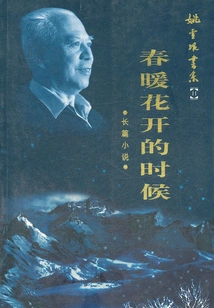
When Spring Comes, Flowers Bloom
General Fiction春暖花开的时候
Yao Xueyin
Before and after the Spring Taierzhuang Campaign in 1938, in a small county at the foot of the Dabie Mountains in Henan, a group of passionate young people held a workshop on national salvation work. There are young men and women with different family backgrounds and personal experiences here. Whether they are teachers or students, they all hold the same excitement, publish posters, perform performances, and go to the countryside to promote the anti-Japanese war. Their core figures have joined the Communist Party or peripheral organizations of the Party, and their activities are actually carried out under the leadership of the Party. At that time, the Kuomintang implemented a policy of passive resistance to the war, and the claws of the spy organization had extended to the county. The stubborn feudal forces in the county also tried their best to oppose and suppress the activities of the workshop and later the War Religion Group. In this way, various factions and figures inevitably showed their true colors before the great test of anti-Japanese and national salvation. Even within a family, the behavior of each member was distinct.
Before and after the Spring Taierzhuang Campaign in 1938, in a small county at the foot of the Dabie Mountains in Henan, a group of passionate young people held a workshop on national salvation work. There are young men and women with different family backgrounds and personal experiences here. Whether they are teachers or students, they all hold the same excitement, publish posters, perform performances, and go to the countryside to promote the anti-Japanese war. Their core figures have joined the Communist Party or peripheral organizations of the Party, and their activities are actually carried out under the leadership of the Party. At that time, the Kuomintang implemented a policy of passive resistance to the war, and the claws of the spy organization had extended to the county. The stubborn feudal forces in the county also tried their best to oppose and suppress the activities of the workshop and later the War Religion Group. In this way, various factions and figures inevitably showed their true colors before the great test of anti-Japanese and national salvation. Even within a family, the behavior of each member was distinct.
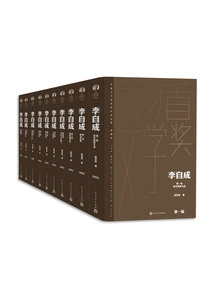
Li Zicheng (all Ten Volumes)
General Fiction李自成(全十卷)
Yao Xueyin
The author uses the principle of "going deep into history and jumping out of history" to describe the intricate historical process and the magnificent peasant uprising of more than 300 years ago. The novel takes the peasant uprising army led by Li Zicheng in the late Ming Dynasty from weak to strong, turning defeat into victory, overthrowing the rule of the Ming Dynasty, and resisting the southward march of the Qing army as the main clue. It reproduces the changing historical landscape of the late Ming and early Qing dynasty and the tragic ending of the peasant uprising army from victory to defeat from multiple angles, multi-facets, and multi-levels, and reveals the law of the development of peasant wars and historical movements. The author Yao Xueyin is good at writing tragedies. "Li Zicheng" was written after he entered a mature period creatively, and reached a new height in the application of tragedy art. The novel is divided into ten volumes, and the second volume won the first Mao Dun Literature Award.
The author uses the principle of "going deep into history and jumping out of history" to describe the intricate historical process and the magnificent peasant uprising of more than 300 years ago. The novel takes the peasant uprising army led by Li Zicheng in the late Ming Dynasty from weak to strong, turning defeat into victory, overthrowing the rule of the Ming Dynasty, and resisting the southward march of the Qing army as the main clue. It reproduces the changing historical landscape of the late Ming and early Qing dynasty and the tragic ending of the peasant uprising army from victory to defeat from multiple angles, multi-facets, and multi-levels, and reveals the law of the development of peasant wars and historical movements. The author Yao Xueyin is good at writing tragedies. "Li Zicheng" was written after he entered a mature period creatively, and reached a new height in the application of tragedy art. The novel is divided into ten volumes, and the second volume won the first Mao Dun Literature Award.
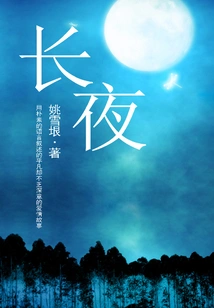
Long Night
General Fiction长夜
Yao Xueyin
This is an ordinary but profound love story narrated in simple language. The protagonist Jin Qianli was the secretary of the headquarters of the army stationed in Xiangyang during the Anti-Japanese War. Because he often visited a hospital run by an American church, he met Zhang Huifeng, a young nurse, and soon developed a passionate unrequited love. He wrote her the first letter. In addition to expressing his love, he also hoped that she would leave her current small world and engage in more meaningful work to save the country. Zhang Huifeng, who believed in God, handed the letter to the hospital director, who expressed her rejection on her behalf.
This is an ordinary but profound love story narrated in simple language. The protagonist Jin Qianli was the secretary of the headquarters of the army stationed in Xiangyang during the Anti-Japanese War. Because he often visited a hospital run by an American church, he met Zhang Huifeng, a young nurse, and soon developed a passionate unrequited love. He wrote her the first letter. In addition to expressing his love, he also hoped that she would leave her current small world and engage in more meaningful work to save the country. Zhang Huifeng, who believed in God, handed the letter to the hospital director, who expressed her rejection on her behalf.
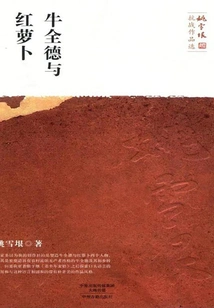
Cow Quande and Carrot
General Fiction牛全德与红萝卜
Yao Xueyin
"Niu Quande and Carrot" is the second work in the "Selected Works of Yao Xueyin's Anti-Japanese War". It is a collection of short stories and short stories by Yao Xueyin about his life during the Anti-Japanese War. The book has a total of more than 400,000 words and is divided into two volumes. Among them, the novella "Niu Quande and Carrot" is a representative work. The article vividly depicts the farmers' new awakening during the war. This novel has made great achievements in the creation of typical characters and the use of dialect spoken language. Through character dialogue, simple props, psychological description, personalized language and other writing techniques, the novel successfully creates the characters of Niu Quande, Carrot, "Bad Woman", Lai Waniang, Bao Guan and other characters.
"Niu Quande and Carrot" is the second work in the "Selected Works of Yao Xueyin's Anti-Japanese War". It is a collection of short stories and short stories by Yao Xueyin about his life during the Anti-Japanese War. The book has a total of more than 400,000 words and is divided into two volumes. Among them, the novella "Niu Quande and Carrot" is a representative work. The article vividly depicts the farmers' new awakening during the war. This novel has made great achievements in the creation of typical characters and the use of dialect spoken language. Through character dialogue, simple props, psychological description, personalized language and other writing techniques, the novel successfully creates the characters of Niu Quande, Carrot, "Bad Woman", Lai Waniang, Bao Guan and other characters.
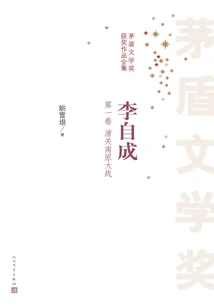
Li Zicheng (volume 1: the Battle of Tongguan Nanyuan)
General Fiction李自成(第一卷 潼关南原大战)
Yao Xueyin
This book mainly describes the peasant war in the late Ming Dynasty, but also describes the national wars within China between the Ming and Qing Dynasties and between the Qing Dynasty and the Shun Dynasty. It depicts representatives of different classes and pictures of their lives, as well as the intricate and contradictory relationships between various classes and groups, and unfolds a colorful historical picture. The author uses the principle of "going deep into history and jumping out of history" to describe the intricate historical process and the magnificent peasant uprising of more than 300 years ago. The novel takes the peasant uprising army led by Li Zicheng in the late Ming Dynasty from weak to strong, turning defeat into victory, overthrowing the rule of the Ming Dynasty, and resisting the southward march of the Qing army as the main clue. It reproduces the changing historical landscape of the late Ming and early Qing dynasty and the tragic ending of the peasant uprising army from victory to defeat from multiple angles, multi-facets, and multi-levels, and reveals the law of the development of peasant wars and historical movements.
This book mainly describes the peasant war in the late Ming Dynasty, but also describes the national wars within China between the Ming and Qing Dynasties and between the Qing Dynasty and the Shun Dynasty. It depicts representatives of different classes and pictures of their lives, as well as the intricate and contradictory relationships between various classes and groups, and unfolds a colorful historical picture. The author uses the principle of "going deep into history and jumping out of history" to describe the intricate historical process and the magnificent peasant uprising of more than 300 years ago. The novel takes the peasant uprising army led by Li Zicheng in the late Ming Dynasty from weak to strong, turning defeat into victory, overthrowing the rule of the Ming Dynasty, and resisting the southward march of the Qing army as the main clue. It reproduces the changing historical landscape of the late Ming and early Qing dynasty and the tragic ending of the peasant uprising army from victory to defeat from multiple angles, multi-facets, and multi-levels, and reveals the law of the development of peasant wars and historical movements.
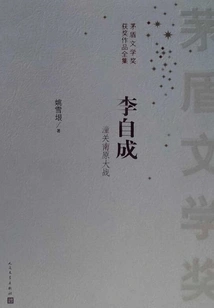
Li Zicheng (winner of Mao Dun Literature Award)
General Fiction李自成(茅盾文学奖获奖作品)
Yao Xueyin
This book mainly describes the peasant war in the late Ming Dynasty, but also describes the national wars within China between the Ming and Qing Dynasties and between the Qing Dynasty and the Shun Dynasty. It depicts representatives of different classes and pictures of their lives, as well as the intricate and contradictory relationships between various classes and groups, and unfolds a colorful historical picture. The author uses the principle of "going deep into history and jumping out of history" to describe the intricate historical process and the magnificent peasant uprising of more than 300 years ago.
This book mainly describes the peasant war in the late Ming Dynasty, but also describes the national wars within China between the Ming and Qing Dynasties and between the Qing Dynasty and the Shun Dynasty. It depicts representatives of different classes and pictures of their lives, as well as the intricate and contradictory relationships between various classes and groups, and unfolds a colorful historical picture. The author uses the principle of "going deep into history and jumping out of history" to describe the intricate historical process and the magnificent peasant uprising of more than 300 years ago.