Library
Browse and search books
2 novels found
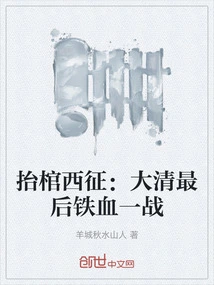
抬棺西征:大清最后铁血一战
Yangcheng Qiushuishanren
In 1865, Xinjiang was lost. Aguba occupied southern Xinjiang, and Tsarist Russia occupied Ili. The court said: Forget it, no more. A 69-year-old man stood up. He carried the coffin and set out from Suzhou with 60,000 people. After three years of hard fighting, more than half of the 60,000 people were killed or injured. He asked for one-sixth of China back. But it was a miserable win. Hu Xueyan is dead, the surrendered general who opened the city gate has been kneeling for ten years, and his daughter was forced to death by the enemy. The old man carrying the coffin died in Fuzhou. Before he died, he was still looking at the map of Xinjiang. From temple battles to battlefield fighting, from red-top businessmen to unknown soldiers. Panoramic restoration of the last victory of the late Qing Dynasty. Click on the first chapter to see how the soldier who escaped among more than a thousand dead people later lifted the cannon onto the cliff.
In 1865, Xinjiang was lost. Aguba occupied southern Xinjiang, and Tsarist Russia occupied Ili. The court said: Forget it, no more. A 69-year-old man stood up. He carried the coffin and set out from Suzhou with 60,000 people. After three years of hard fighting, more than half of the 60,000 people were killed or injured. He asked for one-sixth of China back. But it was a miserable win. Hu Xueyan is dead, the surrendered general who opened the city gate has been kneeling for ten years, and his daughter was forced to death by the enemy. The old man carrying the coffin died in Fuzhou. Before he died, he was still looking at the map of Xinjiang. From temple battles to battlefield fighting, from red-top businessmen to unknown soldiers. Panoramic restoration of the last victory of the late Qing Dynasty. Click on the first chapter to see how the soldier who escaped among more than a thousand dead people later lifted the cannon onto the cliff.

1901:大清最后的日子
Yangcheng Qiushuishanren
1901, the year of Xin Chou. How badly did the Qing Dynasty lose? The compensation is 450 million taels, one tael per person. Troops were garrisoned, forts dismantled, embassy quarters were demarcated, and the prince knelt to apologize. A treaty held China to the ground for forty years. But this is not about treaties. It's about people. Li Tiezhu, a farmer from Shandong, whose father was beaten to death by a foreign priest, joined Boxing and believed in invulnerability, and watched his brothers being knocked down row after row by foreign guns. He escaped and ran all the way south. He was so hungry that he ate tree bark and slept in a ruined temple. He didn't know if he would be able to open his eyes tomorrow. Chen Jingren, a student at the Imperial College, saw with his own eyes the fall of the capital, the empress dowager running away, the people dying, and foreign soldiers burning, killing and looting on the streets. He survived, but he didn't know what to do with his life. Then it dawned on him - he had to write it down. Write down the names of those who died, and how those who survived survived. One holds the knife, the other holds the pen. Two mud-legged men and one scholar struggled to survive in the blood sea of the Gengzi Year. The court signed a treaty and the foreigners withdrew their troops, but the people's lives were not easy. Reparations are weighing heavily on our heads, and taxes are being added one layer after another. People selling land, selling children, selling girls, people who died on the road with no one to collect them - they had seen too many. But they are still alive. Live to remember those who have died. In 1901, China lost so much that it lost all its underwear. But there are still people who memorize word for word in ruined temples, on docks, and in schools. Write down this humiliation, write down this blood and tears. They don't know when they can turn over, but they know that if they forget, it's really over. This book is what they wrote down.
1901, the year of Xin Chou. How badly did the Qing Dynasty lose? The compensation is 450 million taels, one tael per person. Troops were garrisoned, forts dismantled, embassy quarters were demarcated, and the prince knelt to apologize. A treaty held China to the ground for forty years. But this is not about treaties. It's about people. Li Tiezhu, a farmer from Shandong, whose father was beaten to death by a foreign priest, joined Boxing and believed in invulnerability, and watched his brothers being knocked down row after row by foreign guns. He escaped and ran all the way south. He was so hungry that he ate tree bark and slept in a ruined temple. He didn't know if he would be able to open his eyes tomorrow. Chen Jingren, a student at the Imperial College, saw with his own eyes the fall of the capital, the empress dowager running away, the people dying, and foreign soldiers burning, killing and looting on the streets. He survived, but he didn't know what to do with his life. Then it dawned on him - he had to write it down. Write down the names of those who died, and how those who survived survived. One holds the knife, the other holds the pen. Two mud-legged men and one scholar struggled to survive in the blood sea of the Gengzi Year. The court signed a treaty and the foreigners withdrew their troops, but the people's lives were not easy. Reparations are weighing heavily on our heads, and taxes are being added one layer after another. People selling land, selling children, selling girls, people who died on the road with no one to collect them - they had seen too many. But they are still alive. Live to remember those who have died. In 1901, China lost so much that it lost all its underwear. But there are still people who memorize word for word in ruined temples, on docks, and in schools. Write down this humiliation, write down this blood and tears. They don't know when they can turn over, but they know that if they forget, it's really over. This book is what they wrote down.