Library
Browse and search books
11 novels found
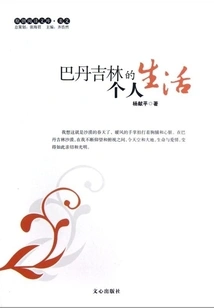
Badain Jaran's Personal Life
Literature巴丹吉林的个人生活
Yang Xianping
This is a book of time and personal history. It takes a personal perspective and even the trajectory of life and destiny as the basic clues, and runs through more than ten years of authentic experience and thinking about life in the desert and even in other places. There are not only personal life descriptions and realistic depictions of moods, but also observations and discoveries about natural things and life. In terms of writing techniques and artistic pursuits, both experimentation and tradition are emphasized, striving to write more realistically the survival history of individuals and even the common people of the era, which also involves a large number of regional culture and historical relics, and even various experiences in the course of an individual's life. The style of the whole book is sad and noble, and there are many things that "Taoists have not said, and it is difficult for others to express." The author never follows the trend, does not follow teachers, and does not sing in chorus. He insists on his own artistic thoughts and unique writing ideals, which makes this manuscript different from any current prose works to a certain extent, and can be called an independent work in the new century.
This is a book of time and personal history. It takes a personal perspective and even the trajectory of life and destiny as the basic clues, and runs through more than ten years of authentic experience and thinking about life in the desert and even in other places. There are not only personal life descriptions and realistic depictions of moods, but also observations and discoveries about natural things and life. In terms of writing techniques and artistic pursuits, both experimentation and tradition are emphasized, striving to write more realistically the survival history of individuals and even the common people of the era, which also involves a large number of regional culture and historical relics, and even various experiences in the course of an individual's life. The style of the whole book is sad and noble, and there are many things that "Taoists have not said, and it is difficult for others to express." The author never follows the trend, does not follow teachers, and does not sing in chorus. He insists on his own artistic thoughts and unique writing ideals, which makes this manuscript different from any current prose works to a certain extent, and can be called an independent work in the new century.
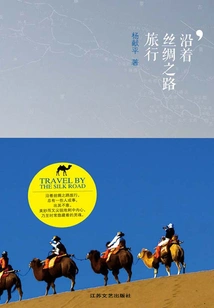
Travel Along the Silk Road
Literature沿着丝绸之路旅行
Yang Xianping
This is a collection of essays involving personal travel history and spiritual history in the northern region. It is a solitary journey to the waist of the ancient Silk Road, from the Lanzhou section of the Yellow River to Dunhuang. Most of them focus on the Badain Jaran Desert where the author has lived for many years, such as the author's on-the-spot investigation and discovery of Ejina, the ancient Rinai deep in the quicksand, the flowing Ruoshui River, the Yanzhi Mountain of the royal racecourse of the past dynasties, Gansu and Suzhou, and even Dunhuang, a place where sandstorms are raging. The article not only contains thoughts based on history and reality, but also expresses personal emotions under special circumstances during the journey. From it, readers can understand the historical and cultural changes of the Silk Road and even most of the northern region over thousands of years. Oasis, Populus euphratica, rapeseed flowers; Gobi, castles, sandstorms... When traveling along the Silk Road, there are always some people or things that unexpectedly touch the heart, and even the soul that is often hidden.
This is a collection of essays involving personal travel history and spiritual history in the northern region. It is a solitary journey to the waist of the ancient Silk Road, from the Lanzhou section of the Yellow River to Dunhuang. Most of them focus on the Badain Jaran Desert where the author has lived for many years, such as the author's on-the-spot investigation and discovery of Ejina, the ancient Rinai deep in the quicksand, the flowing Ruoshui River, the Yanzhi Mountain of the royal racecourse of the past dynasties, Gansu and Suzhou, and even Dunhuang, a place where sandstorms are raging. The article not only contains thoughts based on history and reality, but also expresses personal emotions under special circumstances during the journey. From it, readers can understand the historical and cultural changes of the Silk Road and even most of the northern region over thousands of years. Oasis, Populus euphratica, rapeseed flowers; Gobi, castles, sandstorms... When traveling along the Silk Road, there are always some people or things that unexpectedly touch the heart, and even the soul that is often hidden.
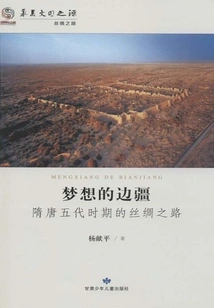
The Frontier of Dreams
History梦想的边疆
Yang Xianping
"China's Ancient Silk Road" consists of six volumes. The complete set of manuscripts is arranged in chronological order, describing the origin of the Silk Road in the Pre-Qin Dynasty, the official opening of the Silk Road in the Han Dynasty, the development of the Silk Road in the Three Kingdoms, Jin Dynasty, Southern and Northern Dynasties, the prosperity of the Silk Road in the Sui and Tang Dynasties, the unique landscapes on the "Silk Road" formed by the diverse backgrounds of the Five Dynasties, Song, Liao, Jin and Xixia dynasties, the expansion of the Silk Road in the Yuan Dynasty, the Ming Dynasty water The management of the Silk Road in the Qing Dynasty, the decline of the Silk Road in the Qing Dynasty, and the revival and prospects of the Silk Road in the modern humanistic sense are reproduced in a panoramic manner. Taking the humanistic landscape in historical changes as the historical background and narrative subject, the study and narration of the ancient Silk Road are carried out holistically and comprehensively. It is a cultural reading that integrates academic, intellectual and interesting aspects. This book is a sub-volume of "The Frontier of Dreams (Silk Road during the Sui, Tang and Five Dynasties)" in the series. It is edited by Yang Xianping and describes the prosperity of the Silk Road during the Sui and Tang Dynasties.
"China's Ancient Silk Road" consists of six volumes. The complete set of manuscripts is arranged in chronological order, describing the origin of the Silk Road in the Pre-Qin Dynasty, the official opening of the Silk Road in the Han Dynasty, the development of the Silk Road in the Three Kingdoms, Jin Dynasty, Southern and Northern Dynasties, the prosperity of the Silk Road in the Sui and Tang Dynasties, the unique landscapes on the "Silk Road" formed by the diverse backgrounds of the Five Dynasties, Song, Liao, Jin and Xixia dynasties, the expansion of the Silk Road in the Yuan Dynasty, the Ming Dynasty water The management of the Silk Road in the Qing Dynasty, the decline of the Silk Road in the Qing Dynasty, and the revival and prospects of the Silk Road in the modern humanistic sense are reproduced in a panoramic manner. Taking the humanistic landscape in historical changes as the historical background and narrative subject, the study and narration of the ancient Silk Road are carried out holistically and comprehensively. It is a cultural reading that integrates academic, intellectual and interesting aspects. This book is a sub-volume of "The Frontier of Dreams (Silk Road during the Sui, Tang and Five Dynasties)" in the series. It is edited by Yang Xianping and describes the prosperity of the Silk Road during the Sui and Tang Dynasties.
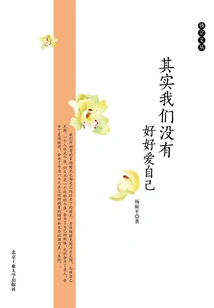
In Fact, We Don't Love Ourselves Well
Literature其实我们没有好好爱自己
Yang Xianping
"Actually We Don't Love Ourselves Well" is one of the "Independent Collections". Many of the words written by Yang Xianping, the author of "Actually We Don't Love Ourselves Well", are the product of his life, fantasy, taste, promise fulfillment and withdrawal in the Badain Jibei Desert. There are also some experiences and discoveries of a short-term outsider, and of course, there are also descriptions and recollections of the place of birth, childhood memories, the current situation of the countryside, and familiar things.
"Actually We Don't Love Ourselves Well" is one of the "Independent Collections". Many of the words written by Yang Xianping, the author of "Actually We Don't Love Ourselves Well", are the product of his life, fantasy, taste, promise fulfillment and withdrawal in the Badain Jibei Desert. There are also some experiences and discoveries of a short-term outsider, and of course, there are also descriptions and recollections of the place of birth, childhood memories, the current situation of the countryside, and familiar things.
In the Desert
Literature在沙漠
Yang Xianping
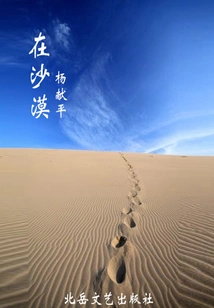
"People have boundaries, learning has limits, thinking has no boundaries, and actions have no boundaries." Since our company created the "Unbounded Prose" series, it has published "Unbounded Prose" in a total of 4 volumes, namely: "The Rise of Sanskrit Sound", "Wormhole", "Hungry Body" and "Looking Around". This publication is "Unbounded Prose·Second Series", with a total of 6 volumes, namely: "In Yunnan", "Handan Road", "Shambhala", "Book of Living Things", "In the Desert" and "Smooth Road in Xinjiang". The unbounded prose series of books, with words about the soul, sensitive and thoughtful cover designs, and exquisite printing and binding, are all here to delight readers. "In the Desert" is one of the books in the "Unbounded Prose·Second Series" series. "In the Desert" contains the author's detailed observation of the objective existence of life in the Gobi such as sandstorms, Juyan culture, desert customs, oasis, Populus euphratica, reeds, camels, etc., As well as documentary narratives about the values and destiny of the people at the bottom living on the edge of the desert. It is an excellent collection of essays that integrates geographical environment, people's culture, and personal experience.
"People have boundaries, learning has limits, thinking has no boundaries, and actions have no boundaries." Since our company created the "Unbounded Prose" series, it has published "Unbounded Prose" in a total of 4 volumes, namely: "The Rise of Sanskrit Sound", "Wormhole", "Hungry Body" and "Looking Around". This publication is "Unbounded Prose·Second Series", with a total of 6 volumes, namely: "In Yunnan", "Handan Road", "Shambhala", "Book of Living Things", "In the Desert" and "Smooth Road in Xinjiang". The unbounded prose series of books, with words about the soul, sensitive and thoughtful cover designs, and exquisite printing and binding, are all here to delight readers. "In the Desert" is one of the books in the "Unbounded Prose·Second Series" series. "In the Desert" contains the author's detailed observation of the objective existence of life in the Gobi such as sandstorms, Juyan culture, desert customs, oasis, Populus euphratica, reeds, camels, etc., As well as documentary narratives about the values and destiny of the people at the bottom living on the edge of the desert. It is an excellent collection of essays that integrates geographical environment, people's culture, and personal experience.
小说,小说网,最新热门小说-QQ阅读_阅文集团旗下网站
Yang Xianping
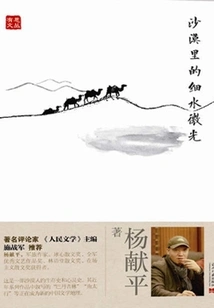
"Glimmer of Water in the Desert" is a book based on the author's desert life. It contains objective details of Juyan culture, Heicheng ruins, Populus euphratica forest, sandstorms and Gobi life such as sand grouse, camels, yellow sheep, scorpions, four-legged snakes, etc. It is a collection of essays that integrates geographical environment, humanistic observation, and personal experience, and has a strong regional color and exotic customs.
"Glimmer of Water in the Desert" is a book based on the author's desert life. It contains objective details of Juyan culture, Heicheng ruins, Populus euphratica forest, sandstorms and Gobi life such as sand grouse, camels, yellow sheep, scorpions, four-legged snakes, etc. It is a collection of essays that integrates geographical environment, humanistic observation, and personal experience, and has a strong regional color and exotic customs.
List of Natural Villages
Literature自然村列记
Yang Xianping
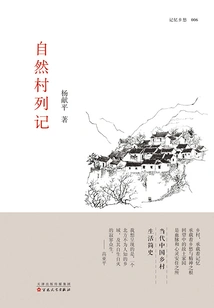
Under globalization and urbanization, rural areas are disappearing day by day. After the concentration, sameness, imitation, rigidity, noise, and loneliness, the countryside will surely be missed. These long-form non-fiction works focus on ancient villages and the habits, culture and spiritual traditions of ordinary people, and the humble fate in the transition between modern and contemporary times. They give a detailed and in-depth presentation of the origin and evolution of remote rural villages in the north, as well as the living forms, inner dilemmas and worldly requirements of living beings in different eras. In a few years, the countryside shown and described in the book will become a new version of "Peach Blossom Spring" or "Walden Pond".
Under globalization and urbanization, rural areas are disappearing day by day. After the concentration, sameness, imitation, rigidity, noise, and loneliness, the countryside will surely be missed. These long-form non-fiction works focus on ancient villages and the habits, culture and spiritual traditions of ordinary people, and the humble fate in the transition between modern and contemporary times. They give a detailed and in-depth presentation of the origin and evolution of remote rural villages in the north, as well as the living forms, inner dilemmas and worldly requirements of living beings in different eras. In a few years, the countryside shown and described in the book will become a new version of "Peach Blossom Spring" or "Walden Pond".
Crying Bitterly in Badain Jaran
Literature在巴丹吉林失声痛哭
Yang Xianping
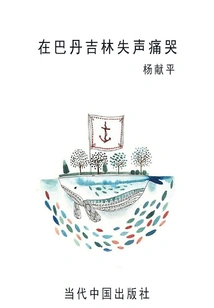
This is a book of time and personal history. Taking the personal perspective and even the trajectory of life and destiny as the basic clues, it runs through the author's true experience of life and unique thinking in the desert and even in foreign places for more than ten years. This book contains not only personal life descriptions and realistic depictions of specific situations and mentality, but also detailed observations and discoveries about natural things and life. It involves a lot of regional culture and historical relics, and even various experiences in the life process of individuals, many of which are "unknown to Taoists and difficult to describe."
This is a book of time and personal history. Taking the personal perspective and even the trajectory of life and destiny as the basic clues, it runs through the author's true experience of life and unique thinking in the desert and even in foreign places for more than ten years. This book contains not only personal life descriptions and realistic depictions of specific situations and mentality, but also detailed observations and discoveries about natural things and life. It involves a lot of regional culture and historical relics, and even various experiences in the life process of individuals, many of which are "unknown to Taoists and difficult to describe."
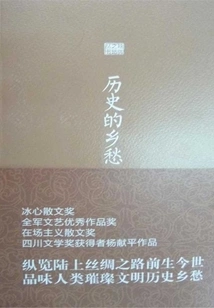
Historical Nostalgia
Literature历史的乡愁
Yang Xianping
This work is a collection of lecture notes given by Mr. Xiong Zhaozheng at well-known universities such as Peking University, Renmin University, and Wuhan University, covering all aspects of history, literature, life, society, and daily life. These speeches are the result of the author's years of reading and thinking. They sparkle with wisdom and permeate with a sense of worry. For example, the author is deeply worried about social issues such as the prevalence of money worship in today's society, the rupture of traditional culture, and the loss of awe. They convey the sense of responsibility of a historian and writer: to resurrect history so that people today can examine the present and gain insight into the future from the distant past.
This work is a collection of lecture notes given by Mr. Xiong Zhaozheng at well-known universities such as Peking University, Renmin University, and Wuhan University, covering all aspects of history, literature, life, society, and daily life. These speeches are the result of the author's years of reading and thinking. They sparkle with wisdom and permeate with a sense of worry. For example, the author is deeply worried about social issues such as the prevalence of money worship in today's society, the rupture of traditional culture, and the loss of awe. They convey the sense of responsibility of a historian and writer: to resurrect history so that people today can examine the present and gain insight into the future from the distant past.
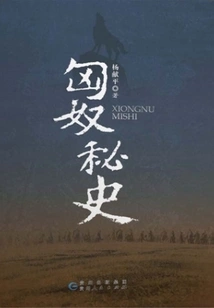
Secret History of the Huns
General Fiction匈奴秘史
Yang Xianping
"Secret History of the Xiongnu" compiled by Yang Xianping is the first long literary volume based on historical classics to comprehensively show the origin of the Xiongnu in the East and its major historical activities on the Mongolian Plateau. It focuses on the early Xiongnu legends, the war between Qin and Xiong, Maodun's "Patricide" by Maodun, the siege of Liu Bang on Baishan Mountain, Ma's march on Donghu, the expulsion of the Yuezhi, and the great migration of ethnic groups from the Mongolian Plateau to Europe. It also provides a more realistic analysis and record of the different political choices and personal fates of Huhanxie and Zhizhiguduhou. It vividly and vividly presents the profound traces and many iron-blooded dramas left by the Xiongnu, a nomadic army like wolves and lightning, in Chinese history.
"Secret History of the Xiongnu" compiled by Yang Xianping is the first long literary volume based on historical classics to comprehensively show the origin of the Xiongnu in the East and its major historical activities on the Mongolian Plateau. It focuses on the early Xiongnu legends, the war between Qin and Xiong, Maodun's "Patricide" by Maodun, the siege of Liu Bang on Baishan Mountain, Ma's march on Donghu, the expulsion of the Yuezhi, and the great migration of ethnic groups from the Mongolian Plateau to Europe. It also provides a more realistic analysis and record of the different political choices and personal fates of Huhanxie and Zhizhiguduhou. It vividly and vividly presents the profound traces and many iron-blooded dramas left by the Xiongnu, a nomadic army like wolves and lightning, in Chinese history.
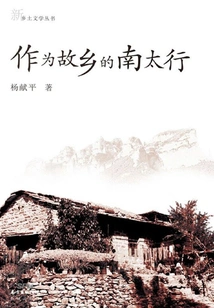
Nantaihang as Hometown
Literature作为故乡的南太行
Yang Xianping
This is a touching collection of rural prose. The writer writes about the origin of a remote village in the north, the many strange personnel affairs, various crafts and craftsmen in the late Qing Dynasty and the Anti-Japanese War era, and the village conditions and growth experience in his childhood. It also involves the real-life experiences and fate of some relatives, and describes the village's unique geographical scenery, people and customs in detail. The feelings are sincere and deep, and the language is poetic. Yang Xianping, born in Shahe, Hebei Province in 1973, currently works for the poetry magazine "Stars" of the Sichuan Provincial Writers Association. His major works include the long text "Frontier of Dreams", the novel "The Hun Empire", the collection of essays "The Book of the Desert", "Glimmer of Water in the Desert", "Hometown of Life and Death", "Historical Nostalgia", and the collection of poems "Destiny", etc. His works have won many awards.
This is a touching collection of rural prose. The writer writes about the origin of a remote village in the north, the many strange personnel affairs, various crafts and craftsmen in the late Qing Dynasty and the Anti-Japanese War era, and the village conditions and growth experience in his childhood. It also involves the real-life experiences and fate of some relatives, and describes the village's unique geographical scenery, people and customs in detail. The feelings are sincere and deep, and the language is poetic. Yang Xianping, born in Shahe, Hebei Province in 1973, currently works for the poetry magazine "Stars" of the Sichuan Provincial Writers Association. His major works include the long text "Frontier of Dreams", the novel "The Hun Empire", the collection of essays "The Book of the Desert", "Glimmer of Water in the Desert", "Hometown of Life and Death", "Historical Nostalgia", and the collection of poems "Destiny", etc. His works have won many awards.