Library
Browse and search novels
2 novels found
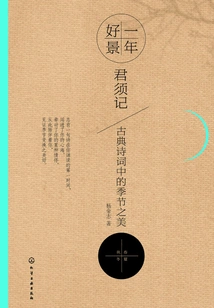
一年好景君须记 古典诗词中的季节之美
Yang Jinzhi
This book takes the alternation of spring, summer, autumn and winter as the timeline, and selects ten themes for each season. It mainly selects popular ancient poems since the "Book of Songs", and vividly interprets them based on modern people's lifestyle and emotional touch. It vividly and interestingly connects the spirituality of heaven and earth and the beauty of seasonal solar terms in classical poems into beautiful and touching pictures. It makes people feel as if they have entered the "Poetry Hall of Fame", allowing us to easily learn the breadth and depth of Chinese poetry culture. Every classic ancient poem contains strong cultural vitality. Even though history has changed, these poems still echo in your ears and heart. Maybe it is the "spring bustle on the branches of red apricots" in spring, "the lotus flowers are unusually red in the sun" in summer, "frost leaves are as red as February flowers" in autumn, or "the small red clay stove on a snowy night" in winter. There is always a poem that breaks into your heart the first time you recite it, touching some of your feelings, and from then on it accompanies you to witness the beauty of the changing seasons.
This book takes the alternation of spring, summer, autumn and winter as the timeline, and selects ten themes for each season. It mainly selects popular ancient poems since the "Book of Songs", and vividly interprets them based on modern people's lifestyle and emotional touch. It vividly and interestingly connects the spirituality of heaven and earth and the beauty of seasonal solar terms in classical poems into beautiful and touching pictures. It makes people feel as if they have entered the "Poetry Hall of Fame", allowing us to easily learn the breadth and depth of Chinese poetry culture. Every classic ancient poem contains strong cultural vitality. Even though history has changed, these poems still echo in your ears and heart. Maybe it is the "spring bustle on the branches of red apricots" in spring, "the lotus flowers are unusually red in the sun" in summer, "frost leaves are as red as February flowers" in autumn, or "the small red clay stove on a snowy night" in winter. There is always a poem that breaks into your heart the first time you recite it, touching some of your feelings, and from then on it accompanies you to witness the beauty of the changing seasons.
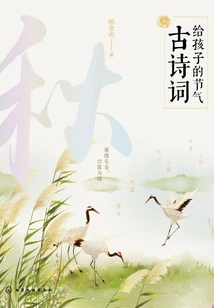
给孩子的节气古诗词·秋
Yang Jinzhi
The book series "Ancient Poems about Solar Terms for Children" takes solar terms as the main theme and selects more than 300 poems to fit the twenty-four solar terms one by one. The author's interpretation of the poems is unique and combines extensive knowledge related to the poems such as agricultural weather, astronomy and geography, historical allusions, traditional culture, and lifestyle. The poet's heart is more sensitive. At the beginning of spring, it is the beautiful artistic conception of "there is nothing in the south of the Yangtze River, just give me a spring"; at the autumnal equinox, it is the vastness and loftiness of "the wind is blowing thousands of miles, sending autumn geese, and you can enjoy the high buildings". Great poets walked between the time series of heaven and earth, recording the beauty of solar terms and poetry in catchy poems. I hope readers can follow the footsteps of the twenty-four solar terms and the poet's insights to discover the treasures of traditional Chinese culture with a poetic heart. Travel through history with poetry, and awaken the beauty of poetry and solar terms in current life. When you open this book, the "poetic solar term wind" comes to your face, and reading will be a wonderful journey.
The book series "Ancient Poems about Solar Terms for Children" takes solar terms as the main theme and selects more than 300 poems to fit the twenty-four solar terms one by one. The author's interpretation of the poems is unique and combines extensive knowledge related to the poems such as agricultural weather, astronomy and geography, historical allusions, traditional culture, and lifestyle. The poet's heart is more sensitive. At the beginning of spring, it is the beautiful artistic conception of "there is nothing in the south of the Yangtze River, just give me a spring"; at the autumnal equinox, it is the vastness and loftiness of "the wind is blowing thousands of miles, sending autumn geese, and you can enjoy the high buildings". Great poets walked between the time series of heaven and earth, recording the beauty of solar terms and poetry in catchy poems. I hope readers can follow the footsteps of the twenty-four solar terms and the poet's insights to discover the treasures of traditional Chinese culture with a poetic heart. Travel through history with poetry, and awaken the beauty of poetry and solar terms in current life. When you open this book, the "poetic solar term wind" comes to your face, and reading will be a wonderful journey.