Library
Browse and search books
1 novel found
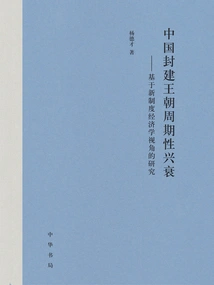
中国封建王朝周期性兴衰:基于新制度经济学视角的研究
Yang Decai
Ancient Chinese society has experienced more than two thousand years of feudal dynasty rule since the Qin Dynasty. During this period, dozens of dynasties rose and fell, with life cycles of varying lengths, but without exception they all experienced the process of establishment, rise, prosperity, decline, and destruction. Scholars have conducted extensive discussions on the cyclical rise and fall of China's feudal dynasties from different disciplines such as history, sociology, politics, economics and law. Unlike most studies that focus on exploring the cyclical rise and fall of feudal dynasties from a certain social structure or its influence, this book conducts a systematic analysis from the perspective of new institutional economics. It includes both macro-theoretical analysis and specific case analysis, and extensively involves theories such as institutional changes, interest groups, path dependence, decentralization, Confucian ideology, ruler preferences, and limited rationality. The argument is profound and provides multi-faceted inspiration.
Ancient Chinese society has experienced more than two thousand years of feudal dynasty rule since the Qin Dynasty. During this period, dozens of dynasties rose and fell, with life cycles of varying lengths, but without exception they all experienced the process of establishment, rise, prosperity, decline, and destruction. Scholars have conducted extensive discussions on the cyclical rise and fall of China's feudal dynasties from different disciplines such as history, sociology, politics, economics and law. Unlike most studies that focus on exploring the cyclical rise and fall of feudal dynasties from a certain social structure or its influence, this book conducts a systematic analysis from the perspective of new institutional economics. It includes both macro-theoretical analysis and specific case analysis, and extensively involves theories such as institutional changes, interest groups, path dependence, decentralization, Confucian ideology, ruler preferences, and limited rationality. The argument is profound and provides multi-faceted inspiration.