Library
Browse and search books
3 novels found
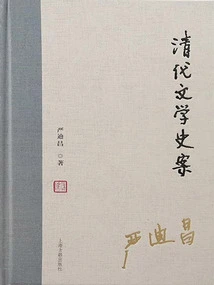
清代文学史案
Yan Dichang
Around 1998, Mr. Yan Dichang was invited to write "History of Literature in the Qing Dynasty", which was planned to be 100 articles, each of 5,000 words. By the time of his death in 2003, he had written a total of 26 articles, which was only a quarter of the original plan. The manuscript of the posthumous work is still there and has not been officially published. The disciples of the Yan Sect have compiled it, totaling about 300,000 words. The entire manuscript is divided into six parts: "The Heart of the Remaining People", "The Separation of the Government and the Opposition", "The Growth and Decline of Schools", "General Presidency of Fengya", "The Situation of the World", and "Eight Banners Humanities and Beauties and Talents", covering Qing Dynasty literature such as poems, lyrics, essays, dramas, novels and other genres as well as the intellectual history and social history of the Qing Dynasty. In terms of aspects, there are not only "new ones on familiar topics" such as Qian Qianyi, Nalan Xingde, Yao Nai, "The Palace of Eternal Life", "Dream of Red Mansions", etc., But also revisions of issues that few people pay attention to but have high research value, such as Hangzhou Xiaoshantang Zhao Family and Yangzhou Ma Family Xiaolinglong Mountain Pavilion. The vision is broad and the examination is incisive.
Around 1998, Mr. Yan Dichang was invited to write "History of Literature in the Qing Dynasty", which was planned to be 100 articles, each of 5,000 words. By the time of his death in 2003, he had written a total of 26 articles, which was only a quarter of the original plan. The manuscript of the posthumous work is still there and has not been officially published. The disciples of the Yan Sect have compiled it, totaling about 300,000 words. The entire manuscript is divided into six parts: "The Heart of the Remaining People", "The Separation of the Government and the Opposition", "The Growth and Decline of Schools", "General Presidency of Fengya", "The Situation of the World", and "Eight Banners Humanities and Beauties and Talents", covering Qing Dynasty literature such as poems, lyrics, essays, dramas, novels and other genres as well as the intellectual history and social history of the Qing Dynasty. In terms of aspects, there are not only "new ones on familiar topics" such as Qian Qianyi, Nalan Xingde, Yao Nai, "The Palace of Eternal Life", "Dream of Red Mansions", etc., But also revisions of issues that few people pay attention to but have high research value, such as Hangzhou Xiaoshantang Zhao Family and Yangzhou Ma Family Xiaolinglong Mountain Pavilion. The vision is broad and the examination is incisive.
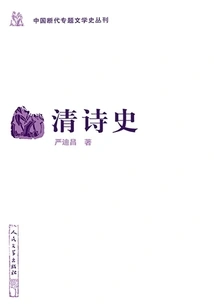
History of Qing Poetry
Literature清诗史
Yan Dichang
This book uses the critical method of "Poetry Culture" to pay attention to and integrate the genes of imperial examination culture, seclusion culture, regional culture, and family culture to identify many specific phenomena of the richness and complexity of Qing Dynasty poetry. It is based on the text and adopts the method of mutual verification of poetry and history. The book's anatomy of those seemingly ordinary but profound characters shows the author's sharp vision of seeing through the world and people's hearts. The book adopts a unique perspective for its analysis of poet groups and poetic masters, and its exposition language also has a strong personal touch. The author's down-to-earth style of study makes the book's academic achievements represent the standards that contemporary Qing poetry research should have.
This book uses the critical method of "Poetry Culture" to pay attention to and integrate the genes of imperial examination culture, seclusion culture, regional culture, and family culture to identify many specific phenomena of the richness and complexity of Qing Dynasty poetry. It is based on the text and adopts the method of mutual verification of poetry and history. The book's anatomy of those seemingly ordinary but profound characters shows the author's sharp vision of seeing through the world and people's hearts. The book adopts a unique perspective for its analysis of poet groups and poetic masters, and its exposition language also has a strong personal touch. The author's down-to-earth style of study makes the book's academic achievements represent the standards that contemporary Qing poetry research should have.
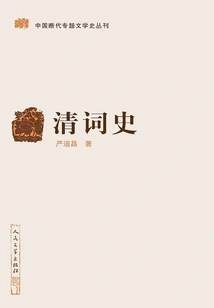
History of Qing Ci
Literature清词史
Yan Dichang
Yan Dichang's "History of Ci Ci in the Qing Dynasty" takes the trend of Ci as its main thread, takes the growth and decline of Ci schools and major Ci creation activities and group practices in various periods as its backbone, and takes the latitude and longitude of the creation criticism of everyone and famous people. The evaluation focuses on exploring the evolution of its "causes" and "changes" from two aspects: cognitive value and aesthetic value. The book is rich in information, has a tight structure, clear theoretical summary, and concise writing style. It is the pioneering work and introductory material for contemporary Qing Ci research.
Yan Dichang's "History of Ci Ci in the Qing Dynasty" takes the trend of Ci as its main thread, takes the growth and decline of Ci schools and major Ci creation activities and group practices in various periods as its backbone, and takes the latitude and longitude of the creation criticism of everyone and famous people. The evaluation focuses on exploring the evolution of its "causes" and "changes" from two aspects: cognitive value and aesthetic value. The book is rich in information, has a tight structure, clear theoretical summary, and concise writing style. It is the pioneering work and introductory material for contemporary Qing Ci research.