Library
Browse and search books
1 novel found
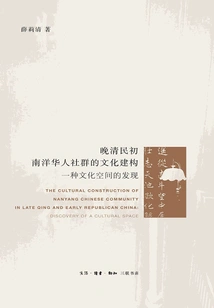
晚清民初南洋华人社群的文化建构:一种文化空间的发现
Xue Liqing
The manuscript covers cross-region (China and Southeast Asia), cross-discipline (such as history and literature), cross-culture (Chinese, Western and Southeast Asian countries), as well as many important and valuable theoretical topics (such as ethnic group, space, cultural identity). Sticking closely to the important theme of cultural space and focusing on travel, travelers and travel notes, the author examines the historical context and process of the social and cultural construction of overseas Chinese in Nanyang from 1877 to 1937, an important period of transformation. The author divides space into geographical conceptual space, travel reality space, cultural discourse space, and daily life space. He selects case points such as travelers and travel notes, the Singapore Museum and Kek Lok Si Temple, family and school, showers, clothing, and durian, etc., In his home country of China and Southeast Asia. , Chinese immigration and colonial rule, it vividly outlines and analyzes the connections and differences at each of the above levels, revealing the themes and development pedigrees of "writing Nanyang", "voyaging to Nanyang", Nanyang discourse, the formation of Chinese cultural subjectivity, and the cultural dialogue and hegemony behind it.
The manuscript covers cross-region (China and Southeast Asia), cross-discipline (such as history and literature), cross-culture (Chinese, Western and Southeast Asian countries), as well as many important and valuable theoretical topics (such as ethnic group, space, cultural identity). Sticking closely to the important theme of cultural space and focusing on travel, travelers and travel notes, the author examines the historical context and process of the social and cultural construction of overseas Chinese in Nanyang from 1877 to 1937, an important period of transformation. The author divides space into geographical conceptual space, travel reality space, cultural discourse space, and daily life space. He selects case points such as travelers and travel notes, the Singapore Museum and Kek Lok Si Temple, family and school, showers, clothing, and durian, etc., In his home country of China and Southeast Asia. , Chinese immigration and colonial rule, it vividly outlines and analyzes the connections and differences at each of the above levels, revealing the themes and development pedigrees of "writing Nanyang", "voyaging to Nanyang", Nanyang discourse, the formation of Chinese cultural subjectivity, and the cultural dialogue and hegemony behind it.