Library
Browse and search books
11 novels found
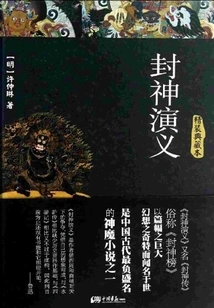
Fengshenyanyi
General Fiction封神演义
Xu Zhonglin
"The Romance of the Gods" relies on the historical background of the Shang Dynasty and Zhou Xing Dynasty's destruction, and takes King Wu's defeat of Zhou as a time and space clue. It begins with Nuwa dropping incense and opening the book, and ends with King Wu Ji of the Zhou Dynasty conferring titles on all the princes. "The Romance of the Gods" is full of exciting plots and fantastic and magnificent scenes, soaring in the clouds and mists, calling for wind and rain, moving mountains and seas, sowing beans into soldiers, water escape, earth escape, hot wheels, fire-pointed spears... Showing the rich imagination of the ancients. Among them, Jiang Ziya, Li Jing, Nezha, Yang Jian, Lei Zhenzi, Tu Xingsun and other figures are well-known and familiar to every household. It is one of the most famous novels about gods and demons in China.
"The Romance of the Gods" relies on the historical background of the Shang Dynasty and Zhou Xing Dynasty's destruction, and takes King Wu's defeat of Zhou as a time and space clue. It begins with Nuwa dropping incense and opening the book, and ends with King Wu Ji of the Zhou Dynasty conferring titles on all the princes. "The Romance of the Gods" is full of exciting plots and fantastic and magnificent scenes, soaring in the clouds and mists, calling for wind and rain, moving mountains and seas, sowing beans into soldiers, water escape, earth escape, hot wheels, fire-pointed spears... Showing the rich imagination of the ancients. Among them, Jiang Ziya, Li Jing, Nezha, Yang Jian, Lei Zhenzi, Tu Xingsun and other figures are well-known and familiar to every household. It is one of the most famous novels about gods and demons in China.
古代经典故事库:封神演义(上)
Xu Zhonglin
"The Romance of the Gods" is a novel written during the Longqing and Wanli years of the Ming Dynasty. The book has a total of one hundred chapters, telling the story of King Wu's defeat of Zhou. The first thirty chapters rewrite the tyranny of King Zhou, with Jiang Ziya returning to seclusion, King Wen visiting the wise, and with the help of Jiang Ziya, King Wu completes his great mission of conquering King Zhou. The last seventy chapters mainly write about the war between the Shang and Zhou countries, and are mixed with religious struggles. The teaching helps the Zhou, and the interception helps the Shang. Each shows its Taoism and kills each other. As a result, the interception failed, King Zhou was fierce and burned himself, King Wu conquered the world and divided the countries. Jiang Ziya returned to his country and became a god, so that the people and ghosts who had contributed to the country had their own homes. "The Romance of the Gods" is divided into the first and second volumes. This book is the first volume, covering the contents from "The First Chapter of King Zhou's Pursuing Incense in the Palace of Nuwa" to "The Fiftieth Chapter of Three Aunts Planning to Arrange the Tianhe Formation".
"The Romance of the Gods" is a novel written during the Longqing and Wanli years of the Ming Dynasty. The book has a total of one hundred chapters, telling the story of King Wu's defeat of Zhou. The first thirty chapters rewrite the tyranny of King Zhou, with Jiang Ziya returning to seclusion, King Wen visiting the wise, and with the help of Jiang Ziya, King Wu completes his great mission of conquering King Zhou. The last seventy chapters mainly write about the war between the Shang and Zhou countries, and are mixed with religious struggles. The teaching helps the Zhou, and the interception helps the Shang. Each shows its Taoism and kills each other. As a result, the interception failed, King Zhou was fierce and burned himself, King Wu conquered the world and divided the countries. Jiang Ziya returned to his country and became a god, so that the people and ghosts who had contributed to the country had their own homes. "The Romance of the Gods" is divided into the first and second volumes. This book is the first volume, covering the contents from "The First Chapter of King Zhou's Pursuing Incense in the Palace of Nuwa" to "The Fiftieth Chapter of Three Aunts Planning to Arrange the Tianhe Formation".
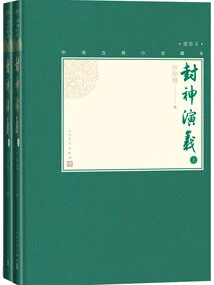
The Romance of the Gods (2 Volumes in Total)
General Fiction封神演义(全2册)
Xu Zhonglin
"The Romance of the Gods" is one of the representative novels about gods and demons in the Ming Dynasty. It is mainly based on the history of Jiang Ziya assisting the Zhou Dynasty (King Wen of Zhou and King Wu of Zhou) in the crusade against Shang Zhou. It describes the story of the gods represented by Yuanshi Tianzun of Yuxu Palace and the leader of Tongtian of Biyou Palace representing the interception of the teachings. The immortals fight wits and courage, break the formation and kill the generals to become gods. This inclusion into the collection of Chinese classical novels in hardcover form makes up for the lack of ordinary hardcover editions of classical novels currently available in our publisher, and the overall set is conducive to large-scale distribution.
"The Romance of the Gods" is one of the representative novels about gods and demons in the Ming Dynasty. It is mainly based on the history of Jiang Ziya assisting the Zhou Dynasty (King Wen of Zhou and King Wu of Zhou) in the crusade against Shang Zhou. It describes the story of the gods represented by Yuanshi Tianzun of Yuxu Palace and the leader of Tongtian of Biyou Palace representing the interception of the teachings. The immortals fight wits and courage, break the formation and kill the generals to become gods. This inclusion into the collection of Chinese classical novels in hardcover form makes up for the lack of ordinary hardcover editions of classical novels currently available in our publisher, and the overall set is conducive to large-scale distribution.
古代经典故事库:封神演义(下)
Xu Zhonglin
"The Romance of the Gods" is a novel written during the Longqing and Wanli years of the Ming Dynasty. The book has a total of one hundred chapters, telling the story of King Wu's defeat of Zhou. The first thirty chapters rewrite the tyranny of King Zhou, with Jiang Ziya returning to seclusion, King Wen visiting the wise, and with the help of Jiang Ziya, King Wu completes his great mission of conquering King Zhou. The last seventy chapters mainly write about the war between the Shang and Zhou countries, and are mixed with religious struggles. The teaching helps the Zhou, and the interception helps the Shang. Each shows its Taoism and kills each other. As a result, the interception failed, King Zhou was fierce and burned himself, King Wu conquered the world and divided the countries. Jiang Ziya returned to his country and became a god, so that the people and ghosts who had contributed to the country had their own homes. "The Romance of the Gods" is divided into the first and second volumes. This book is the second volume, covering the content from "The 51st Chapter Ziya robbed the camp and broke Wen Zhong" to the "100th Chapter Zhou Emperor distributed all the kingdoms".
"The Romance of the Gods" is a novel written during the Longqing and Wanli years of the Ming Dynasty. The book has a total of one hundred chapters, telling the story of King Wu's defeat of Zhou. The first thirty chapters rewrite the tyranny of King Zhou, with Jiang Ziya returning to seclusion, King Wen visiting the wise, and with the help of Jiang Ziya, King Wu completes his great mission of conquering King Zhou. The last seventy chapters mainly write about the war between the Shang and Zhou countries, and are mixed with religious struggles. The teaching helps the Zhou, and the interception helps the Shang. Each shows its Taoism and kills each other. As a result, the interception failed, King Zhou was fierce and burned himself, King Wu conquered the world and divided the countries. Jiang Ziya returned to his country and became a god, so that the people and ghosts who had contributed to the country had their own homes. "The Romance of the Gods" is divided into the first and second volumes. This book is the second volume, covering the content from "The 51st Chapter Ziya robbed the camp and broke Wen Zhong" to the "100th Chapter Zhou Emperor distributed all the kingdoms".
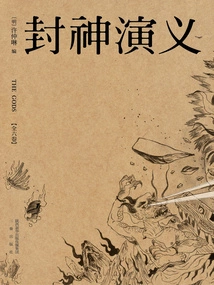
The Romance of the Gods (six Volumes in Total)
General Fiction封神演义(全六卷)
Xu Zhonglin
"Fengshen Yanyi" relies on the historical facts of "King Wu's attack on Zhou" during the transition of the Shang and Zhou dynasties, combined with folklore and the author's rich imagination, telling the story of King Zhou who insulted Nuwa and was later deceived by Daji, a thousand-year-old vixen sent by him. On the other side of the war, King Wen of Zhou Jichang was imprisoned in Youli for seven years by King Zhou for no reason. He finally escaped back to Xiqi and worshiped Jiang Ziya as his prime minister. He died in the successive campaigns launched by King Zhou. After his son Ji Fa, King Wu of Zhou, succeeded to the throne, he recruited talents and continuously strengthened the national power in response to the conquest. Finally, he realized a strategic counterattack, overthrew Shang Tang and established the Zhou Dynasty. During the war between Shang and Zhou, the gods in heaven and earth were divided into two factions: Chanjiao and Jiejiao. They used their own magical powers and magic weapons to disrupt the war and change the trend of the war. The imagination of the abilities and treasures of these gods and demons is what makes this book unique in classical literature. Classic characters such as Yang Jian, Jiang Ziya, Nezha, Lei Zhenzi, Daji, King Zhou, and the Four Generals of the Demon Family portrayed in the works have been continuously interpreted in various literary and artistic works of later generations.
"Fengshen Yanyi" relies on the historical facts of "King Wu's attack on Zhou" during the transition of the Shang and Zhou dynasties, combined with folklore and the author's rich imagination, telling the story of King Zhou who insulted Nuwa and was later deceived by Daji, a thousand-year-old vixen sent by him. On the other side of the war, King Wen of Zhou Jichang was imprisoned in Youli for seven years by King Zhou for no reason. He finally escaped back to Xiqi and worshiped Jiang Ziya as his prime minister. He died in the successive campaigns launched by King Zhou. After his son Ji Fa, King Wu of Zhou, succeeded to the throne, he recruited talents and continuously strengthened the national power in response to the conquest. Finally, he realized a strategic counterattack, overthrew Shang Tang and established the Zhou Dynasty. During the war between Shang and Zhou, the gods in heaven and earth were divided into two factions: Chanjiao and Jiejiao. They used their own magical powers and magic weapons to disrupt the war and change the trend of the war. The imagination of the abilities and treasures of these gods and demons is what makes this book unique in classical literature. Classic characters such as Yang Jian, Jiang Ziya, Nezha, Lei Zhenzi, Daji, King Zhou, and the Four Generals of the Demon Family portrayed in the works have been continuously interpreted in various literary and artistic works of later generations.
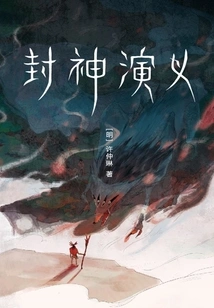
The Romance of the Gods (writer List Classic Library)
General Fiction封神演义(作家榜经典文库)
Xu Zhonglin
This book is carefully edited and arranged based on the edition published by Sixuetang in the early Qing Dynasty. Open this book and you will be taken back three thousand years ago to witness the unprecedented war between humans, immortals and demons. Jiang Ziya has amazing powers and can predict the future, but he keeps a low profile and lives in seclusion in the mountains. It wasn't until he was eighty years old that he was invited to come out and intervene in the Shang-Zhou conflict. He faced an unprecedented arduous test - the immortals, monsters and monsters in the sky and on the earth were divided into two groups to participate in the fighting. The whales and dragons in the waves, the all-encompassing map of mountains and rivers, Lei Zhenzi with a bird's beak and eagle wings, and the brave and capable Nezha... The stories in the book are imaginative, shocking and beautiful. Since its publication, it has been loved by generations of young readers.
This book is carefully edited and arranged based on the edition published by Sixuetang in the early Qing Dynasty. Open this book and you will be taken back three thousand years ago to witness the unprecedented war between humans, immortals and demons. Jiang Ziya has amazing powers and can predict the future, but he keeps a low profile and lives in seclusion in the mountains. It wasn't until he was eighty years old that he was invited to come out and intervene in the Shang-Zhou conflict. He faced an unprecedented arduous test - the immortals, monsters and monsters in the sky and on the earth were divided into two groups to participate in the fighting. The whales and dragons in the waves, the all-encompassing map of mountains and rivers, Lei Zhenzi with a bird's beak and eagle wings, and the brave and capable Nezha... The stories in the book are imaginative, shocking and beautiful. Since its publication, it has been loved by generations of young readers.
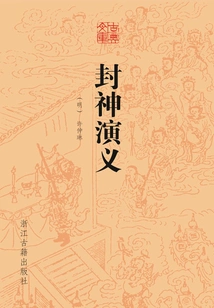
封神演义(古典文库)
Xu Zhonglin
This book is a famous novel about gods and demons in ancient China. The novel tells the historical story of the political chaos at the end of the Shang Dynasty and King Wu's conquest of the Shang Dynasty. The author transforms historical events into gods and demons, and attaches them to folk religions and myths and legends. Therefore, most of them are descriptions of stories about immortals and Buddhas fighting each other. The novel ends with Jiang Ziya conferring the title of god and King Wu of Zhou enfeoffing the princes. As Mr. Lu Xun said: "Sealing a country is to repay the meritorious officials, and conferring gods to reward the ghosts, while the death of humans and gods is entrusted to misfortune... It is based on the views of alchemists." ("A Brief History of Chinese Novels")
This book is a famous novel about gods and demons in ancient China. The novel tells the historical story of the political chaos at the end of the Shang Dynasty and King Wu's conquest of the Shang Dynasty. The author transforms historical events into gods and demons, and attaches them to folk religions and myths and legends. Therefore, most of them are descriptions of stories about immortals and Buddhas fighting each other. The novel ends with Jiang Ziya conferring the title of god and King Wu of Zhou enfeoffing the princes. As Mr. Lu Xun said: "Sealing a country is to repay the meritorious officials, and conferring gods to reward the ghosts, while the death of humans and gods is entrusted to misfortune... It is based on the views of alchemists." ("A Brief History of Chinese Novels")
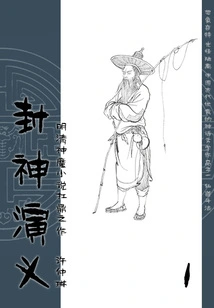
The Most Outstanding Novel About Gods and Demons in the Ming and Qing Dynasties: the Romance of the Gods (1)
General Fiction明清神魔小说扛鼎之作:封神演义(1)
Xu Zhonglin
"The Romance of the Gods" is a classical Chinese novel about gods and demons, set at the turn of the Shang and Zhou dynasties. It tells the mythical story of Jiang Ziya assisting King Wen and King Wu of Zhou in their crusade against King Zhou of Shang. The book constructs a grand worldview in which the three realms of immortals, humans, and demons are intertwined, and depicts thrilling battles between gods and demons. The story begins with the cruelty and cruelty of King Zhou of Shang Dynasty, which caused the anger of heaven and the resentment of people. In order to comply with the destiny, Jiang Ziya went down the mountain to help the Zhou Dynasty overthrow the tyranny. During this process, many immortals and demons were involved in disputes, each showing their magical powers. The characters in the book have distinctive personalities, such as Jiang Ziya's wisdom, Nezha's bravery, Daji's charm, etc., All of which leave a deep impression on people. "Fengshen Yanyi" not only has an ups and downs plot and is exciting, but also contains rich Taoist thoughts and traditional cultural elements. Through the main line of conferring gods, it shows the theme that justice will eventually defeat evil. It also reflects the ancients' profound thinking on issues such as destiny, morality, and justice. In addition, the book's descriptions of fairy arts and magic weapons are also very imaginative, presenting readers with a bizarre mythical world. As one of the representative works of ancient Chinese novels about gods and demons, "The Romance of the Gods" has extremely high literary value and historical significance.
"The Romance of the Gods" is a classical Chinese novel about gods and demons, set at the turn of the Shang and Zhou dynasties. It tells the mythical story of Jiang Ziya assisting King Wen and King Wu of Zhou in their crusade against King Zhou of Shang. The book constructs a grand worldview in which the three realms of immortals, humans, and demons are intertwined, and depicts thrilling battles between gods and demons. The story begins with the cruelty and cruelty of King Zhou of Shang Dynasty, which caused the anger of heaven and the resentment of people. In order to comply with the destiny, Jiang Ziya went down the mountain to help the Zhou Dynasty overthrow the tyranny. During this process, many immortals and demons were involved in disputes, each showing their magical powers. The characters in the book have distinctive personalities, such as Jiang Ziya's wisdom, Nezha's bravery, Daji's charm, etc., All of which leave a deep impression on people. "Fengshen Yanyi" not only has an ups and downs plot and is exciting, but also contains rich Taoist thoughts and traditional cultural elements. Through the main line of conferring gods, it shows the theme that justice will eventually defeat evil. It also reflects the ancients' profound thinking on issues such as destiny, morality, and justice. In addition, the book's descriptions of fairy arts and magic weapons are also very imaginative, presenting readers with a bizarre mythical world. As one of the representative works of ancient Chinese novels about gods and demons, "The Romance of the Gods" has extremely high literary value and historical significance.
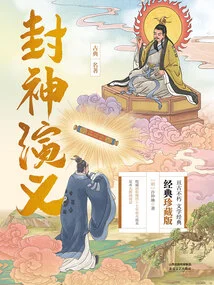
Fengshenyanyi
General Fiction封神演义
Xu Zhonglin
"The Romance of the Gods" has one hundred chapters, telling the story of King Wu's defeat of Zhou. The first thirty chapters rewrite the tyranny of King Zhou. The last seventy chapters mainly describe the war between the Shang and Zhou Dynasties. King Zhou was so fierce that he burned himself, and King Wu conquered the world and divided the countries. The novel uses historical concepts and political concepts as the ideological framework supporting the whole book, mixed with a lot of grand imagination, showing the author's support and praise for the benevolent king and his dissatisfaction and resistance to the unjust and ignorant king. After the Ming Dynasty, "The Romance of the Gods" was widely circulated and had a great influence on folk beliefs, folk operas and folk legends. The stories in the work, such as "Nezha makes trouble in the East China Sea", "Jiang Taigong meets King Wen", "Daji designed to harm Bigan", and "Jiang Ziya catches the god Tu Yulei", are all talked about by people. There are also many repertoires of local operas, arias of folk arts, and storytelling in plain language, which are based on "The Romance of the Gods".
"The Romance of the Gods" has one hundred chapters, telling the story of King Wu's defeat of Zhou. The first thirty chapters rewrite the tyranny of King Zhou. The last seventy chapters mainly describe the war between the Shang and Zhou Dynasties. King Zhou was so fierce that he burned himself, and King Wu conquered the world and divided the countries. The novel uses historical concepts and political concepts as the ideological framework supporting the whole book, mixed with a lot of grand imagination, showing the author's support and praise for the benevolent king and his dissatisfaction and resistance to the unjust and ignorant king. After the Ming Dynasty, "The Romance of the Gods" was widely circulated and had a great influence on folk beliefs, folk operas and folk legends. The stories in the work, such as "Nezha makes trouble in the East China Sea", "Jiang Taigong meets King Wen", "Daji designed to harm Bigan", and "Jiang Ziya catches the god Tu Yulei", are all talked about by people. There are also many repertoires of local operas, arias of folk arts, and storytelling in plain language, which are based on "The Romance of the Gods".
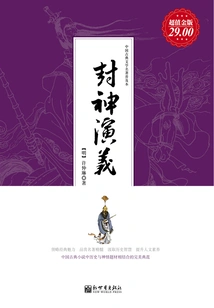
Fengshenyanyi
General Fiction封神演义
Xu Zhonglin
This book is a perfect example of the combination of history and supernatural themes in Chinese classical novels. The author Xu Zhonglin uses her rich imagination and extensive religious knowledge to organize the popular stories of gods and gods into a great masterpiece of gods and demons. There are countless gods and monsters from all walks of life in the novel. Many characters, such as Jiang Ziya, the Third Prince Nezha, Erlang God Yang Jian, Lei Zhenzi, Tu Xingsun, etc., Have long been well-known and familiar to every household.
This book is a perfect example of the combination of history and supernatural themes in Chinese classical novels. The author Xu Zhonglin uses her rich imagination and extensive religious knowledge to organize the popular stories of gods and gods into a great masterpiece of gods and demons. There are countless gods and monsters from all walks of life in the novel. Many characters, such as Jiang Ziya, the Third Prince Nezha, Erlang God Yang Jian, Lei Zhenzi, Tu Xingsun, etc., Have long been well-known and familiar to every household.
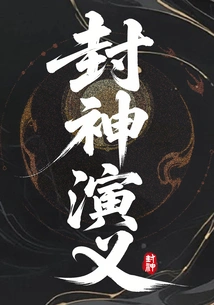
The Romance of the Gods (vernacular Version)
General Fiction封神演义(白话版)
Xu Zhonglin
This book is written in vernacular, and the language is concise and easy to understand. "The Romance of the Gods" uses King Wu's defeat of Zhou as the historical prototype and fictional stories about gods and monsters. It mainly describes the battles between Shang and Zhou Dynasties, in which he expounded the teachings and beheaded generals to become gods, intercepted the teachings to help Zhou do his harm, and the immortals entered the mortal world to survive the calamity. The first thirty chapters of this book focus on the tyranny of the Yin and Shang Dynasties, and the last seventy chapters mainly describe the Song Dynasty's military expedition to Xiqi, the Great Zhou Dynasty's Eastern Expedition to destroy the Shang Dynasty, and finally King Zhou was defeated and burned himself.
This book is written in vernacular, and the language is concise and easy to understand. "The Romance of the Gods" uses King Wu's defeat of Zhou as the historical prototype and fictional stories about gods and monsters. It mainly describes the battles between Shang and Zhou Dynasties, in which he expounded the teachings and beheaded generals to become gods, intercepted the teachings to help Zhou do his harm, and the immortals entered the mortal world to survive the calamity. The first thirty chapters of this book focus on the tyranny of the Yin and Shang Dynasties, and the last seventy chapters mainly describe the Song Dynasty's military expedition to Xiqi, the Great Zhou Dynasty's Eastern Expedition to destroy the Shang Dynasty, and finally King Zhou was defeated and burned himself.