Library
Browse and search books
7 novels found
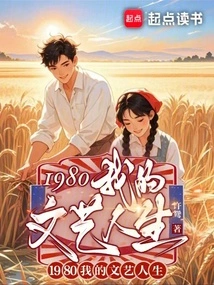
1980my Literary Life
Urban1980我的文艺人生
Xu Yuan
As a gold medal editor, Chen Zhang accidentally traveled to 1980. As an educated youth who returned to the city, he was divorced by an educated youth girl at the beginning. In anger, he wrote and submitted a play, which made the educated youth girl regret it. More importantly, he made Gong Xue extremely obsessed...
As a gold medal editor, Chen Zhang accidentally traveled to 1980. As an educated youth who returned to the city, he was divorced by an educated youth girl at the beginning. In anger, he wrote and submitted a play, which made the educated youth girl regret it. More importantly, he made Gong Xue extremely obsessed...
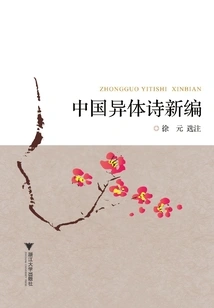
New Compilation of Chinese Variant Poems
Literature中国异体诗新编
Xu Yuan
This book collects a total of 61 categories of variant poems from 184 poets from the Han Dynasty to modern times, with more than 350 poems divided into categories. There is no similarity between the selected works and "Three Hundred Interesting Poems". The famous poems about carriages and boats, the famous poems about acupuncture, the famous poems about turtles, the famous poems about phases, the famous poems about Go, the famous poems about solar terms, the five-line poems, the Liujia poems, the reverse rhyme poems, the split-word poems, the palindrome, etc., Which were originally included in the collection of "Qu" poems, will not be relisted because there are no sequels. However, it can be seen from this that there are at least more than 70 categories of Chinese variant poetry. Each poem is followed by an introduction, notes and explanations by the author. The author's introduction is listed after the work that first appeared. If the same author has poems in many categories, it will not be repeated. The annotations focus on difficult words, skills, and allusions, and strive to be concise. For pun words, if the meaning of the word is easy to understand, only the meaning related to the title of the poem will be noted; if the meaning of the word is difficult to understand, the double meaning will be noted; if the meaning of the word is difficult to understand, the meaning will be briefly explained. The sources of all poems are indicated. The description of each article focuses on the uniqueness, main content and theme of the article.
This book collects a total of 61 categories of variant poems from 184 poets from the Han Dynasty to modern times, with more than 350 poems divided into categories. There is no similarity between the selected works and "Three Hundred Interesting Poems". The famous poems about carriages and boats, the famous poems about acupuncture, the famous poems about turtles, the famous poems about phases, the famous poems about Go, the famous poems about solar terms, the five-line poems, the Liujia poems, the reverse rhyme poems, the split-word poems, the palindrome, etc., Which were originally included in the collection of "Qu" poems, will not be relisted because there are no sequels. However, it can be seen from this that there are at least more than 70 categories of Chinese variant poetry. Each poem is followed by an introduction, notes and explanations by the author. The author's introduction is listed after the work that first appeared. If the same author has poems in many categories, it will not be repeated. The annotations focus on difficult words, skills, and allusions, and strive to be concise. For pun words, if the meaning of the word is easy to understand, only the meaning related to the title of the poem will be noted; if the meaning of the word is difficult to understand, the double meaning will be noted; if the meaning of the word is difficult to understand, the meaning will be briefly explained. The sources of all poems are indicated. The description of each article focuses on the uniqueness, main content and theme of the article.
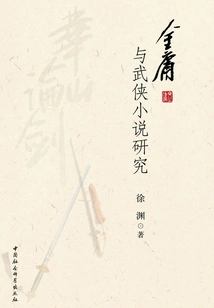
金庸与武侠小说研究
Xu Yuan
Jin Yong relied on the writing of martial arts novels and editorials to constantly save himself and realize himself, and finally achieved success. Jin Yong's clear understanding and successful practice of the ontology, creation and appreciation of martial arts novels made his novels a masterpiece of martial arts novels. Fascinating plots, rich and varied love, imaginative martial arts, humor and a successful life are undoubtedly important entertainment elements that attract readers in Jin Yong's novels. Whether it is the portrayal of the Huashan sect, characters, martial arts, or the description of the "Huashan Sword" martial arts competition and the promotion of the cultural spirit of "Swordsman", they all reflect Jin Yong's deliberate choice of "Huashan" and his respect for the Huashan regional culture. Due to the difficulty of adapting Jin Yong's novels, the understanding of different readers, the substantial changes made by film and television creators, and the continuous development of film and television technology, although there are many versions of Jin Yong's film and television dramas, few are recognized as satisfactory. The profound cultural heritage of martial arts, the innovative tradition of martial arts novels themselves, and the needs of realistic culture and other cultural ecology will inevitably enable martial arts novels represented by Jin Yong's novels to continue to survive and develop in the contemporary era.
Jin Yong relied on the writing of martial arts novels and editorials to constantly save himself and realize himself, and finally achieved success. Jin Yong's clear understanding and successful practice of the ontology, creation and appreciation of martial arts novels made his novels a masterpiece of martial arts novels. Fascinating plots, rich and varied love, imaginative martial arts, humor and a successful life are undoubtedly important entertainment elements that attract readers in Jin Yong's novels. Whether it is the portrayal of the Huashan sect, characters, martial arts, or the description of the "Huashan Sword" martial arts competition and the promotion of the cultural spirit of "Swordsman", they all reflect Jin Yong's deliberate choice of "Huashan" and his respect for the Huashan regional culture. Due to the difficulty of adapting Jin Yong's novels, the understanding of different readers, the substantial changes made by film and television creators, and the continuous development of film and television technology, although there are many versions of Jin Yong's film and television dramas, few are recognized as satisfactory. The profound cultural heritage of martial arts, the innovative tradition of martial arts novels themselves, and the needs of realistic culture and other cultural ecology will inevitably enable martial arts novels represented by Jin Yong's novels to continue to survive and develop in the contemporary era.
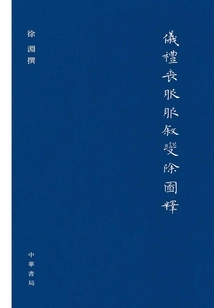
《仪礼·丧服》服叙变除图释
Xu Yuan
"Rituals" is one of the "Nine Classics" of the Confucian classics, with a total of seventeen chapters. One of them, "Mourning Clothes," has a style that is quite different from the other chapters. It mainly discusses the issues of pre-Qin mourning clothing and uniform systems. The text is simple and the content is complex. On the basis of philological research, this book restarts the study of Confucian classics on "Ritual" and strives to get rid of the research orientation of replacing Confucian classics with philological studies. There are a total of 68 pictures (tables) of mourning dress descriptions and changes in the book. Each picture is followed by the author's explanations and notes on the "Mourning Dress" scriptures, records, and biographies. It deepens the research on "Ritual" and mourning dress studies since the late Qing Dynasty. It is a popular reading book for understanding the ritual system of the pre-Qin Dynasty, and can also be used as a reference book.
"Rituals" is one of the "Nine Classics" of the Confucian classics, with a total of seventeen chapters. One of them, "Mourning Clothes," has a style that is quite different from the other chapters. It mainly discusses the issues of pre-Qin mourning clothing and uniform systems. The text is simple and the content is complex. On the basis of philological research, this book restarts the study of Confucian classics on "Ritual" and strives to get rid of the research orientation of replacing Confucian classics with philological studies. There are a total of 68 pictures (tables) of mourning dress descriptions and changes in the book. Each picture is followed by the author's explanations and notes on the "Mourning Dress" scriptures, records, and biographies. It deepens the research on "Ritual" and mourning dress studies since the late Qing Dynasty. It is a popular reading book for understanding the ritual system of the pre-Qin Dynasty, and can also be used as a reference book.
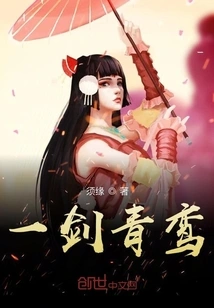
One Sword Qingluan
Xianxia一剑青鸾
Xu Yuan
A kind-hearted mountain village boy, when he was seven years old, smoke came out of his ancestral grave and he got a fairy sword named Qingluan; He did not drink alcohol but only drank tea, so a tea sword fairy appeared in the world, hoping to bring peace to the world with his sword; His literary talent was not very good, but he preferred to write sour poems, so everyone in the world knew the sentence: I have a sword to ask Qingluan, and the blue sea and sky are pure and pure.
A kind-hearted mountain village boy, when he was seven years old, smoke came out of his ancestral grave and he got a fairy sword named Qingluan; He did not drink alcohol but only drank tea, so a tea sword fairy appeared in the world, hoping to bring peace to the world with his sword; His literary talent was not very good, but he preferred to write sour poems, so everyone in the world knew the sentence: I have a sword to ask Qingluan, and the blue sea and sky are pure and pure.
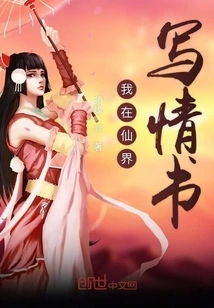
我在仙界写情书
Xu Yuan
Xiao Zhu, a great talent in the immortal world, nicknamed the Master of Yinmengzhao, has a vast knowledge of ancient and modern times, but his talent has no choice but to go to the wrong side. He is impoverished, a young man in his twenties, and ends up working as a street performer. Unexpectedly, a poem of praise composed by chance would make a passing fairy feel like seeing a heavenly being, secretly wishing for her, and pursue her relentlessly. From then on, while escaping from the pursuit of immortals, he wrote love letters to those crazy men and resentful women who had a bumpy road of love. Now, his name was known to everyone in the six realms, and people gave him the nickname Huo Yuelao. "What should I do if the girl I like doesn't like me?" "Look for Xiao Zhu."
Xiao Zhu, a great talent in the immortal world, nicknamed the Master of Yinmengzhao, has a vast knowledge of ancient and modern times, but his talent has no choice but to go to the wrong side. He is impoverished, a young man in his twenties, and ends up working as a street performer. Unexpectedly, a poem of praise composed by chance would make a passing fairy feel like seeing a heavenly being, secretly wishing for her, and pursue her relentlessly. From then on, while escaping from the pursuit of immortals, he wrote love letters to those crazy men and resentful women who had a bumpy road of love. Now, his name was known to everyone in the six realms, and people gave him the nickname Huo Yuelao. "What should I do if the girl I like doesn't like me?" "Look for Xiao Zhu."
Xu Yuan's World
Fantasy Romance戌元的世界
Xu Yuan
"What is false is also true, and what is true is also false, where there is nothing but nothing." Xu Yuan was originally a friend's online name. Xu is a dog, and the meaning is clear. Translated is Goudan. This is Goudan's world.
"What is false is also true, and what is true is also false, where there is nothing but nothing." Xu Yuan was originally a friend's online name. Xu is a dog, and the meaning is clear. Translated is Goudan. This is Goudan's world.