Library
Browse and search books
15 novels found
斗罗:别惹武魂殿圣女,她有靠山
Xu Xin
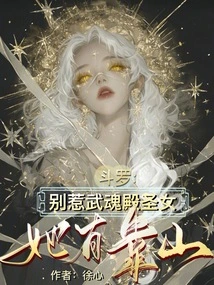
As a heir of the Mo family, Mo Tumi was blown away by his junior brother's puppet. When he opened his eyes again, he was already a suspicious child in the Star Dou Forest. You need to be careful when reading the article. She complained about the protagonist in a few words and then passed it on. What else can she do besides tightening Wuhundian's thighs? Being in the Wuhun Palace, she can act as a villain even if she is not the villain. The Wuhun Palace will win! The first thing I did after finding my yandere junior brother was to pull out the fairy grass! Take the God Test! The second thing is to seize the hundred thousand year soul ring and seize the opportunity. Tu Mi: "Hey, they are the protagonist group, I feel soft." The yandere brother put down the puppet in his hand: "I'll do it." Tu Mi: "Am I going too far?" "Whatever my sister wants, she will get." There is no one he cannot touch. As long as Tu Mi needs it, even this world will be held up by Mo Changsheng in front of Tu Mi. Tang San prefers Yu Xiaogang? Bibi Dong also loves Yu Xiaogang? She kicked Yu Xiaogang away! I want every puppet of my brother to be kicked! Tang San: "Why do you have a ten-thousand-year soul ring?" Tu Mi: "Because your teacher lied to you about the age of the soul ring." Tang San was unhappy: "I don't believe it." Tu Mi: "Then don't absorb it." Tang San: "..." If the tree is as beautiful as Lin Feng, it will be destroyed. Tang Hao wants to kill her? She took her brother and stole his house. Is the Qibao Glazed Sect at odds with her? Look, which one is more powerful is the hidden weapons of the Tang Sect or the machine skills of the Mohist family that have been passed down for thousands of years. Two gods? Beautiful thought! It's just that Tu Mi, the final winner in life, discovered... What was Chang Sheng doing with a puppet that looked exactly like her every day? ?
As a heir of the Mo family, Mo Tumi was blown away by his junior brother's puppet. When he opened his eyes again, he was already a suspicious child in the Star Dou Forest. You need to be careful when reading the article. She complained about the protagonist in a few words and then passed it on. What else can she do besides tightening Wuhundian's thighs? Being in the Wuhun Palace, she can act as a villain even if she is not the villain. The Wuhun Palace will win! The first thing I did after finding my yandere junior brother was to pull out the fairy grass! Take the God Test! The second thing is to seize the hundred thousand year soul ring and seize the opportunity. Tu Mi: "Hey, they are the protagonist group, I feel soft." The yandere brother put down the puppet in his hand: "I'll do it." Tu Mi: "Am I going too far?" "Whatever my sister wants, she will get." There is no one he cannot touch. As long as Tu Mi needs it, even this world will be held up by Mo Changsheng in front of Tu Mi. Tang San prefers Yu Xiaogang? Bibi Dong also loves Yu Xiaogang? She kicked Yu Xiaogang away! I want every puppet of my brother to be kicked! Tang San: "Why do you have a ten-thousand-year soul ring?" Tu Mi: "Because your teacher lied to you about the age of the soul ring." Tang San was unhappy: "I don't believe it." Tu Mi: "Then don't absorb it." Tang San: "..." If the tree is as beautiful as Lin Feng, it will be destroyed. Tang Hao wants to kill her? She took her brother and stole his house. Is the Qibao Glazed Sect at odds with her? Look, which one is more powerful is the hidden weapons of the Tang Sect or the machine skills of the Mohist family that have been passed down for thousands of years. Two gods? Beautiful thought! It's just that Tu Mi, the final winner in life, discovered... What was Chang Sheng doing with a puppet that looked exactly like her every day? ?
努尔哈赤陵及清祖陵历史之谜
Xu Xin
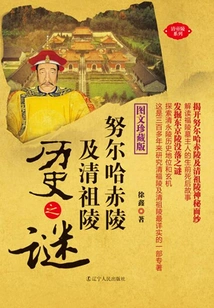
This book starts with analyzing the mystery of Nurhaci's death, and then proceeds to explore the historical mysteries of Nurhaci's Fuling Mausoleum and related ancillary tombs layer by layer. There is a legend that the tomb owner of Neifu Fuling Mausoleum moved his tomb many times. He was originally the owner of Tokyo Mausoleum, but was later lost in history. In order to clear up the fog, it is necessary to investigate the development history of Tokyo Mausoleum. The emergence and decline of Tokyo Tomb are inseparable from Yongling, the ancestral mausoleum of the Qing Dynasty. Therefore, the mystery of Yongling's history is analyzed at the end of this book. A book about the imperial mausoleum, telling three histories.
This book starts with analyzing the mystery of Nurhaci's death, and then proceeds to explore the historical mysteries of Nurhaci's Fuling Mausoleum and related ancillary tombs layer by layer. There is a legend that the tomb owner of Neifu Fuling Mausoleum moved his tomb many times. He was originally the owner of Tokyo Mausoleum, but was later lost in history. In order to clear up the fog, it is necessary to investigate the development history of Tokyo Mausoleum. The emergence and decline of Tokyo Tomb are inseparable from Yongling, the ancestral mausoleum of the Qing Dynasty. Therefore, the mystery of Yongling's history is analyzed at the end of this book. A book about the imperial mausoleum, telling three histories.
大清皇陵之飘摇的崇陵
Xu Xin
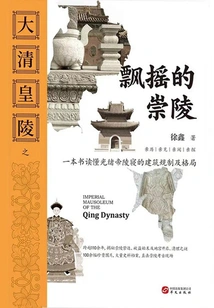
On November 14, 1908, Emperor Guangxu, who had been under house arrest for ten years in the Qing Empire, died in pain. According to folklore, he was murdered. What is the truth? Why didn't Emperor Guangxu build his own mausoleum during his lifetime? Why did Emperor Guangxu's mausoleum become the only stolen emperor's mausoleum among the mausoleums of Western Qing Dynasty? What unsolved mysteries were discovered during the cleaning of Emperor Guangxu's underground palace? On the basis of previous research, Xu Xin, the author of this manuscript, relied on the vast archives and historical materials of the First Historical Archives of China and the National Library, read a large number of Qing Dynasty historical books and Qing people's notes, and used his geographical advantages to lead readers to deeply contact the dust-covered historical truth, uncover historical mysteries, and restore an objective and true historical original appearance.
On November 14, 1908, Emperor Guangxu, who had been under house arrest for ten years in the Qing Empire, died in pain. According to folklore, he was murdered. What is the truth? Why didn't Emperor Guangxu build his own mausoleum during his lifetime? Why did Emperor Guangxu's mausoleum become the only stolen emperor's mausoleum among the mausoleums of Western Qing Dynasty? What unsolved mysteries were discovered during the cleaning of Emperor Guangxu's underground palace? On the basis of previous research, Xu Xin, the author of this manuscript, relied on the vast archives and historical materials of the First Historical Archives of China and the National Library, read a large number of Qing Dynasty historical books and Qing people's notes, and used his geographical advantages to lead readers to deeply contact the dust-covered historical truth, uncover historical mysteries, and restore an objective and true historical original appearance.
皇太极陵历史之谜
Xu Xin
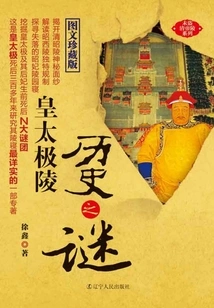
As the founder of the Qing Empire, Huang Taiji's wisdom and experience left a deep impression on future generations. Corresponding to Huang Taiji's great life, his bizarre death is also eye-catching, especially the unique location and regulations of the mausoleum, which has always been amazing. This book is based on official history and Qing palace archives, uses on-the-spot investigation, and combines the research results of today's historical academic circles to tell you the little-known secrets about Huang Taiji, Empress Xiaozhuang Wen and their mausoleum through popular and skillful writing. The book is equipped with many precious historical pictures, which will not only give you a visual shock, but also expand your imagination.
As the founder of the Qing Empire, Huang Taiji's wisdom and experience left a deep impression on future generations. Corresponding to Huang Taiji's great life, his bizarre death is also eye-catching, especially the unique location and regulations of the mausoleum, which has always been amazing. This book is based on official history and Qing palace archives, uses on-the-spot investigation, and combines the research results of today's historical academic circles to tell you the little-known secrets about Huang Taiji, Empress Xiaozhuang Wen and their mausoleum through popular and skillful writing. The book is equipped with many precious historical pictures, which will not only give you a visual shock, but also expand your imagination.
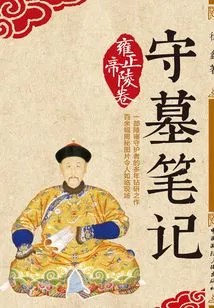
守墓笔记:雍正帝陵卷
Xu Xin
"Tomb Keeper's Notes" is based on the official history and Qing palace archives, combined with the author's more than 20 years of on-site investigation and research experience of the tombs, to interpret for you the Feng Shui and establishment, history and secrets, theft and cleanup of the Three Tombs outside the Pass, the Eastern Qing Tombs, and the Western Qing Tombs, reflecting the origin, development, glory and decline of the Qing Dynasty.
"Tomb Keeper's Notes" is based on the official history and Qing palace archives, combined with the author's more than 20 years of on-site investigation and research experience of the tombs, to interpret for you the Feng Shui and establishment, history and secrets, theft and cleanup of the Three Tombs outside the Pass, the Eastern Qing Tombs, and the Western Qing Tombs, reflecting the origin, development, glory and decline of the Qing Dynasty.
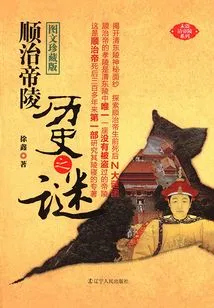
顺治帝陵历史之谜
Xu Xin
In people's memory, Emperor Shunzhi did not seem to have any major achievements in his life. Although he was the first Qing emperor to take control of the Central Plains, the main credit was achieved by the regent Dorgon. However, this did not stop him from becoming a dazzling star in history. Although he was unknown politically, the system he created within the palace was quite successful, and his grievances and feelings with women were vigorous and reached the highest peak in history. His brilliance told people that the love of ordinary people also existed in the palace, and he was called the "Infatuated Emperor" by future generations. However, Emperor Shunzhi, who was in his prime, passed away prematurely when he had an enviable and jealous love.
In people's memory, Emperor Shunzhi did not seem to have any major achievements in his life. Although he was the first Qing emperor to take control of the Central Plains, the main credit was achieved by the regent Dorgon. However, this did not stop him from becoming a dazzling star in history. Although he was unknown politically, the system he created within the palace was quite successful, and his grievances and feelings with women were vigorous and reached the highest peak in history. His brilliance told people that the love of ordinary people also existed in the palace, and he was called the "Infatuated Emperor" by future generations. However, Emperor Shunzhi, who was in his prime, passed away prematurely when he had an enviable and jealous love.
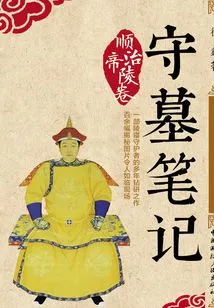
守墓笔记:顺治帝陵卷
Xu Xin
"Tomb Guarding Notes (Shunzhi Emperor's Mausoleum Volume)" written by Xu Xin is based on official history and Qing palace archives, combined with the latest research results in today's historical circles, and uses popular and skillful writing to tell the little-known secrets about Shunzhi Emperor himself and his tomb. "Tomb Keeper's Notes" is based on the official history and Qing palace archives, combined with the author's more than 20 years of on-site investigation and research experience of the tombs, to interpret for you the Feng Shui and establishment, history and secrets, theft and cleanup of the Three Tombs outside the Pass, the Eastern Qing Tombs, and the Western Qing Tombs, reflecting the origin, development, glory and decline of the Qing Dynasty.
"Tomb Guarding Notes (Shunzhi Emperor's Mausoleum Volume)" written by Xu Xin is based on official history and Qing palace archives, combined with the latest research results in today's historical circles, and uses popular and skillful writing to tell the little-known secrets about Shunzhi Emperor himself and his tomb. "Tomb Keeper's Notes" is based on the official history and Qing palace archives, combined with the author's more than 20 years of on-site investigation and research experience of the tombs, to interpret for you the Feng Shui and establishment, history and secrets, theft and cleanup of the Three Tombs outside the Pass, the Eastern Qing Tombs, and the Western Qing Tombs, reflecting the origin, development, glory and decline of the Qing Dynasty.
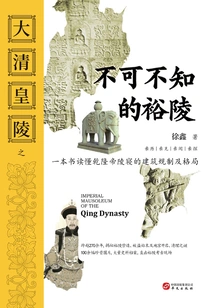
大清皇陵之不可不知的裕陵
Xu Xin
The author of this book, Mr. Xu Xin, grew up in Malanyu Town at the foot of the Eastern Tombs of the Qing Dynasty. He worked in the Eastern Tombs of the Qing Dynasty as an adult. As a tomb keeper, his familiarity with the tombs of the Qing Dynasty is unparalleled. This manuscript is based on the Qing palace archives, coupled with the author's own geographical advantages, and uses popular writing to introduce in detail the historical reasons for the location of the Qing Dynasty's imperial mausoleums and the construction regulations and layout characteristics of Emperor Qianlong's Yuling Mausoleum. At the same time, through the causes and consequences of the theft of the Eastern Tombs of the Qing Dynasty and the tragic situation of the Eastern Tombs of the Qing Dynasty after the theft, the opening of the Yuling Tombs Underground Palace is publicly introduced to people in a recorded way, showing many little-known behind-the-scenes scenes, and accompanied by a large number of precious photos, bringing people who are eager to understand the truth of the mystery of the Yuling Tombs to the archaeological site of that year.
The author of this book, Mr. Xu Xin, grew up in Malanyu Town at the foot of the Eastern Tombs of the Qing Dynasty. He worked in the Eastern Tombs of the Qing Dynasty as an adult. As a tomb keeper, his familiarity with the tombs of the Qing Dynasty is unparalleled. This manuscript is based on the Qing palace archives, coupled with the author's own geographical advantages, and uses popular writing to introduce in detail the historical reasons for the location of the Qing Dynasty's imperial mausoleums and the construction regulations and layout characteristics of Emperor Qianlong's Yuling Mausoleum. At the same time, through the causes and consequences of the theft of the Eastern Tombs of the Qing Dynasty and the tragic situation of the Eastern Tombs of the Qing Dynasty after the theft, the opening of the Yuling Tombs Underground Palace is publicly introduced to people in a recorded way, showing many little-known behind-the-scenes scenes, and accompanied by a large number of precious photos, bringing people who are eager to understand the truth of the mystery of the Yuling Tombs to the archaeological site of that year.
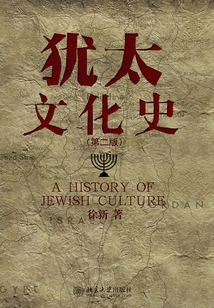
犹太文化史(第二版)
Xu Xin
This book uses history as a clue to systematically describe the process of the formation of Jewish culture, the basic ideas it contains and its specific impact on world civilization. This book provides a panoramic description from the formation of Jewish culture to the gradual development of Jewish culture in the 20th century, and uses the ideological vision of a Chinese scholar to make a theoretical definition of the deep connotation of Jewish culture.
This book uses history as a clue to systematically describe the process of the formation of Jewish culture, the basic ideas it contains and its specific impact on world civilization. This book provides a panoramic description from the formation of Jewish culture to the gradual development of Jewish culture in the 20th century, and uses the ideological vision of a Chinese scholar to make a theoretical definition of the deep connotation of Jewish culture.
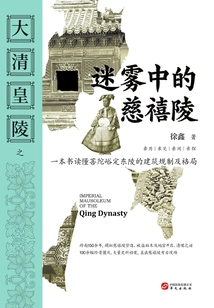
大清皇陵之迷雾中的慈禧陵
Xu Xin
The author of this book, Mr. Xu Xin, grew up in Malanyu Town at the foot of the Eastern Tombs of the Qing Dynasty. He worked in the Eastern Tombs of the Qing Dynasty as an adult. As a tomb keeper, his familiarity with the tombs of the Qing Dynasty is unparalleled. Who is the real tomb robber in the Tanglin Robbery? How did Cixi select a Feng Shui location for her mausoleum? What's the secret behind the construction of the underground palace of Cixi's Mausoleum? Why is Cixi's Mausoleum said to be more luxurious than the Forbidden City? What kind of disturbance happened when the underground palace of Cixi Mausoleum was opened? What is the current status of the cleanup of the underground palace of Cixi's Mausoleum and Cixi's remains? On the basis of previous research, the author relied on the vast archives and historical materials of China's First Historical Archives and the National Library, read a large number of Qing Dynasty historical books and Qing people's notes, conducted many on-site surveys of the tombs of the Eastern Tomb of the Qing Dynasty, visited many tomb-guarding bannermen, and obtained many first-hand precious materials. The author researched and identified various historical mysteries one by one, and it took many years to write it. The content of this book is as true and detailed as possible, and is accompanied by a large number of precious pictures, trying to bring readers back to the first scene of all the events in the Cixi Mausoleum.
The author of this book, Mr. Xu Xin, grew up in Malanyu Town at the foot of the Eastern Tombs of the Qing Dynasty. He worked in the Eastern Tombs of the Qing Dynasty as an adult. As a tomb keeper, his familiarity with the tombs of the Qing Dynasty is unparalleled. Who is the real tomb robber in the Tanglin Robbery? How did Cixi select a Feng Shui location for her mausoleum? What's the secret behind the construction of the underground palace of Cixi's Mausoleum? Why is Cixi's Mausoleum said to be more luxurious than the Forbidden City? What kind of disturbance happened when the underground palace of Cixi Mausoleum was opened? What is the current status of the cleanup of the underground palace of Cixi's Mausoleum and Cixi's remains? On the basis of previous research, the author relied on the vast archives and historical materials of China's First Historical Archives and the National Library, read a large number of Qing Dynasty historical books and Qing people's notes, conducted many on-site surveys of the tombs of the Eastern Tomb of the Qing Dynasty, visited many tomb-guarding bannermen, and obtained many first-hand precious materials. The author researched and identified various historical mysteries one by one, and it took many years to write it. The content of this book is as true and detailed as possible, and is accompanied by a large number of precious pictures, trying to bring readers back to the first scene of all the events in the Cixi Mausoleum.
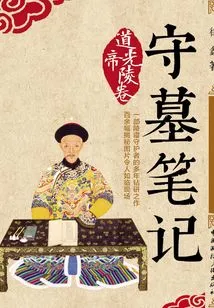
守墓笔记:道光帝陵卷
Xu Xin
This is a work of years of research by the guardians of the tomb, with more than a hundred revealing pictures that make you feel like you are there! The mausoleum is the tomb of ancient emperors. It is the condensation of a dynasty, the projection of an era, and the refraction of society. It is a part of traditional Chinese culture, a rich cultural wealth left to future generations, and a true historical record left in the mountains and rivers. It condenses the sharp historical information that cannot be copied. By studying the imperial tombs, we can not only know the basic situation of politics, economy, military, religion, culture, technology and other aspects of that period in history, but sometimes we can also correctly interpret historical mysteries or unrecorded historical events. Emperor Daoguang reigned for 30 years and built the mausoleum for 15 years. He broke with the ancestral precepts and built two buildings and demolished one. Finally, a mausoleum with special construction regulations and astonishing cost was left behind - Muling. What kind of mystery is hidden in such twists and turns? Xu Xin's "Tomb Guarding Notes (Mausoleum of Emperor Daoguang Volume)" will give you an in-depth analysis.
This is a work of years of research by the guardians of the tomb, with more than a hundred revealing pictures that make you feel like you are there! The mausoleum is the tomb of ancient emperors. It is the condensation of a dynasty, the projection of an era, and the refraction of society. It is a part of traditional Chinese culture, a rich cultural wealth left to future generations, and a true historical record left in the mountains and rivers. It condenses the sharp historical information that cannot be copied. By studying the imperial tombs, we can not only know the basic situation of politics, economy, military, religion, culture, technology and other aspects of that period in history, but sometimes we can also correctly interpret historical mysteries or unrecorded historical events. Emperor Daoguang reigned for 30 years and built the mausoleum for 15 years. He broke with the ancestral precepts and built two buildings and demolished one. Finally, a mausoleum with special construction regulations and astonishing cost was left behind - Muling. What kind of mystery is hidden in such twists and turns? Xu Xin's "Tomb Guarding Notes (Mausoleum of Emperor Daoguang Volume)" will give you an in-depth analysis.
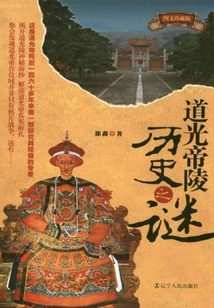
道光帝陵历史之谜
Xu Xin
Emperor Daoguang reigned for 30 years, and his political achievements were mediocre, but he was "famous throughout the ages" for the construction of mausoleums. He spent fifteen years building his own mausoleum, two constructions and one demolition. It has a unique history. He remained an emperor for one generation, but repeatedly broke the precepts left by the previous emperor in the construction of the mausoleum. He was a pioneer who advocated frugality, but built a mausoleum that wasted money... These abnormal behaviors also exposed the ulterior motives of Emperor Daoguang... The enigmatic architectural sites and strange regulations left too many surprises and mysteries for future generations. "The Mystery of the History of Emperor Daoguang's Mausoleum" edited by Xu Xin is the first monograph to study the tomb of Emperor Daoguang more than 160 years after his death. Uncover the mystery of Daoguang's Mausoleum and interpret the true face of Emperor Daoguang. You will find that the Opium War was not the only thing when Emperor Daoguang was in power, but also...
Emperor Daoguang reigned for 30 years, and his political achievements were mediocre, but he was "famous throughout the ages" for the construction of mausoleums. He spent fifteen years building his own mausoleum, two constructions and one demolition. It has a unique history. He remained an emperor for one generation, but repeatedly broke the precepts left by the previous emperor in the construction of the mausoleum. He was a pioneer who advocated frugality, but built a mausoleum that wasted money... These abnormal behaviors also exposed the ulterior motives of Emperor Daoguang... The enigmatic architectural sites and strange regulations left too many surprises and mysteries for future generations. "The Mystery of the History of Emperor Daoguang's Mausoleum" edited by Xu Xin is the first monograph to study the tomb of Emperor Daoguang more than 160 years after his death. Uncover the mystery of Daoguang's Mausoleum and interpret the true face of Emperor Daoguang. You will find that the Opium War was not the only thing when Emperor Daoguang was in power, but also...
同治帝陵历史之谜
Xu Xin
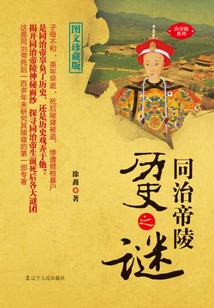
As the short-lived emperor of the Qing Dynasty, Emperor Tongzhi was born into a noble family, but he was naturally tired of studying. In the end, his imperial power was taken over by his biological mother, the Empress Dowager Cixi. Emperor Tongzhi fell ill and died at the age of 19. The cause of death is controversial. Since no mausoleum was built during his lifetime, his biological mother broke the ancestral system of "Zhao and Mu built each other" and built a mausoleum for him in Dongling out of love for power. Although the regulations and scale of the completed Tongzhi Emperor's mausoleum are simple, the construction quality is unambiguous and it is known as "copper beams and iron pillars." The selection of the mausoleum is complicated, but the process of building the mausoleum is strictly handled in accordance with the regulations. Based on official history and Qing palace archives, through field research and social surveys, combined with current historical research results, the author uses popular and skillful writing to tell you the little-known secrets of Emperor Tongzhi himself and his mausoleum.
As the short-lived emperor of the Qing Dynasty, Emperor Tongzhi was born into a noble family, but he was naturally tired of studying. In the end, his imperial power was taken over by his biological mother, the Empress Dowager Cixi. Emperor Tongzhi fell ill and died at the age of 19. The cause of death is controversial. Since no mausoleum was built during his lifetime, his biological mother broke the ancestral system of "Zhao and Mu built each other" and built a mausoleum for him in Dongling out of love for power. Although the regulations and scale of the completed Tongzhi Emperor's mausoleum are simple, the construction quality is unambiguous and it is known as "copper beams and iron pillars." The selection of the mausoleum is complicated, but the process of building the mausoleum is strictly handled in accordance with the regulations. Based on official history and Qing palace archives, through field research and social surveys, combined with current historical research results, the author uses popular and skillful writing to tell you the little-known secrets of Emperor Tongzhi himself and his mausoleum.
守墓笔记:皇太极陵卷
Xu Xin
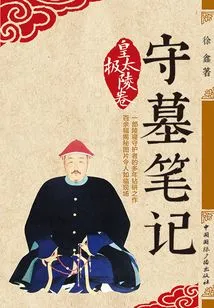
Tomb Guarding Notes is based on the official history and Qing palace archives, combined with the author's more than 20 years of on-site investigation and research experience in the tombs, to interpret the Feng Shui and establishment, history and secrets, theft and cleanup of the Three Tombs outside the Pass, the Eastern Qing Tombs, and the Western Qing Tombs, reflecting the origin, development, glory and decline of the Qing Dynasty. The Zhaoling Mausoleum in Shenyang is the tomb of Huang Taiji, the founding emperor of the Qing Dynasty. The location is questionable and the regulations are special. The Zhaoxi Mausoleum where Empress Xiaozhuang Wen is buried is thousands of miles away, and the mausoleum was not officially built until thirty-seven years after the burial. This book tells you these little-known stories outside China.
Tomb Guarding Notes is based on the official history and Qing palace archives, combined with the author's more than 20 years of on-site investigation and research experience in the tombs, to interpret the Feng Shui and establishment, history and secrets, theft and cleanup of the Three Tombs outside the Pass, the Eastern Qing Tombs, and the Western Qing Tombs, reflecting the origin, development, glory and decline of the Qing Dynasty. The Zhaoling Mausoleum in Shenyang is the tomb of Huang Taiji, the founding emperor of the Qing Dynasty. The location is questionable and the regulations are special. The Zhaoxi Mausoleum where Empress Xiaozhuang Wen is buried is thousands of miles away, and the mausoleum was not officially built until thirty-seven years after the burial. This book tells you these little-known stories outside China.
康熙帝陵历史之谜
Xu Xin
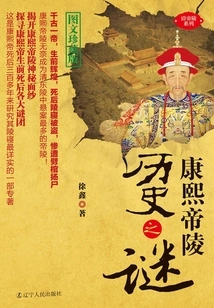
Emperor Kangxi was an influential generation of talented emperors in the Qing Dynasty. The reason why he became emperor at a young age was entirely due to the recommendation of his grandmother and the persuasion of foreigners. He built the mausoleum during his lifetime just to bury the queen who died early. The innovation in the mausoleum system and the reform of the funeral system set a good start for future generations. The strange death of Emperor Kangxi, the changes in the regulations of the mausoleum, the anecdotes about the deceased persons and the theft of the mausoleum, as well as the existence of the two concubine gardens of Emperor Kangxi, including the corpses of Emperor Kangxi and his queen, are still soaked in the smelly water underground. These are shocking and endless reveries both in the Qing Dynasty and now. Based on the official history and Qing palace archives, through field research and social investigation, combined with the latest research results of current history, the author uses popular and skillful writing to tell you the little-known secrets of Emperor Kangxi and his mausoleum.
Emperor Kangxi was an influential generation of talented emperors in the Qing Dynasty. The reason why he became emperor at a young age was entirely due to the recommendation of his grandmother and the persuasion of foreigners. He built the mausoleum during his lifetime just to bury the queen who died early. The innovation in the mausoleum system and the reform of the funeral system set a good start for future generations. The strange death of Emperor Kangxi, the changes in the regulations of the mausoleum, the anecdotes about the deceased persons and the theft of the mausoleum, as well as the existence of the two concubine gardens of Emperor Kangxi, including the corpses of Emperor Kangxi and his queen, are still soaked in the smelly water underground. These are shocking and endless reveries both in the Qing Dynasty and now. Based on the official history and Qing palace archives, through field research and social investigation, combined with the latest research results of current history, the author uses popular and skillful writing to tell you the little-known secrets of Emperor Kangxi and his mausoleum.