Library
Browse and search books
3 novels found
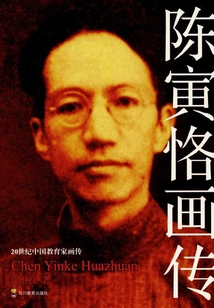
Chen Yinke's Painting Biography
Literature陈寅恪画传
Xu Weihong
"Picture Biography of Chinese Educators in the 20th Century (Sequel)" still adheres to the principle of "double selection" of theme and author: Professor Zhong Yuying, the author of "Picture Biography of Jiang Menglin" has been engaged in professional research on the history of education for a long time, and has the convenience of information and cultural understanding in Jiang Menglin's hometown; "Picture Biography of Chen Yinke" The author Xu Weihong has been engaged in educational history research at the Chinese Academy of Educational Sciences for more than ten years and serves as the executive deputy editor of "Education History Research"; Wu Hongcheng, the author of "Liang Shuming's Painting Biography", has been working in the field of education history research for many years; "Ye Qisun's Painting Biography" was written by me.
"Picture Biography of Chinese Educators in the 20th Century (Sequel)" still adheres to the principle of "double selection" of theme and author: Professor Zhong Yuying, the author of "Picture Biography of Jiang Menglin" has been engaged in professional research on the history of education for a long time, and has the convenience of information and cultural understanding in Jiang Menglin's hometown; "Picture Biography of Chen Yinke" The author Xu Weihong has been engaged in educational history research at the Chinese Academy of Educational Sciences for more than ten years and serves as the executive deputy editor of "Education History Research"; Wu Hongcheng, the author of "Liang Shuming's Painting Biography", has been working in the field of education history research for many years; "Ye Qisun's Painting Biography" was written by me.
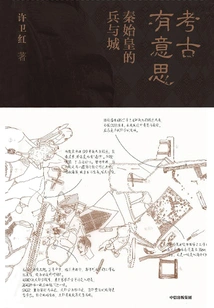
考古有意思:秦始皇的兵与城
Xu Weihong
Xu Weihong, the leader of the third excavation of Pit No. 1 Of the Terracotta Warriors and Horses and the Qin Xianyang City Site, has spent 30 years in the archaeological "Looking for Qin". Based on the archaeological excavation results of the Qin Terracotta Warriors and Horses in the past 30 years and the Qin Xianyang City Site in the past 60 years, the real life scenes of the Qin craftsmen, military officers, civil servants, and nobles that were missing from the history books were pieced together, and the secrets of the rise of the Qin State were discovered, as well as the Qin people's meticulous romance, advanced thrift concepts, and eclectic approach to foreign civilizations. On the real frontline of archaeology, there are too many interesting things that novelists cannot imagine even after racking their brains. The coin minting machine of the "Central Bank" of the Qin Dynasty was actually found in the garbage dump of a brick factory; in order to preserve the paintings of the Terracotta Warriors and Horses, medical scalpels replaced archaeological hand shovels; archaeological experts drank with villagers, competed with tomb robbers for cultural relics, and competed with construction companies for work In the period, Qin bricks were rescued under the iron claws of the excavator, and Guan Zhong's urban construction concept was told to the real estate boss... National treasures are displayed under the soft lights of the museum, while the rotten soil, residual bricks, and stones that are not noticed are also engraved with the unique Qin code. Archeology is never about finding treasures, but about seeing people through things and having conversations with the ancients. Whether it is the exquisite cultural relics on display or the immovable ruins, archaeologists have touched and studied them with their own hands, awakening their inner vitality and vivid stories.
Xu Weihong, the leader of the third excavation of Pit No. 1 Of the Terracotta Warriors and Horses and the Qin Xianyang City Site, has spent 30 years in the archaeological "Looking for Qin". Based on the archaeological excavation results of the Qin Terracotta Warriors and Horses in the past 30 years and the Qin Xianyang City Site in the past 60 years, the real life scenes of the Qin craftsmen, military officers, civil servants, and nobles that were missing from the history books were pieced together, and the secrets of the rise of the Qin State were discovered, as well as the Qin people's meticulous romance, advanced thrift concepts, and eclectic approach to foreign civilizations. On the real frontline of archaeology, there are too many interesting things that novelists cannot imagine even after racking their brains. The coin minting machine of the "Central Bank" of the Qin Dynasty was actually found in the garbage dump of a brick factory; in order to preserve the paintings of the Terracotta Warriors and Horses, medical scalpels replaced archaeological hand shovels; archaeological experts drank with villagers, competed with tomb robbers for cultural relics, and competed with construction companies for work In the period, Qin bricks were rescued under the iron claws of the excavator, and Guan Zhong's urban construction concept was told to the real estate boss... National treasures are displayed under the soft lights of the museum, while the rotten soil, residual bricks, and stones that are not noticed are also engraved with the unique Qin code. Archeology is never about finding treasures, but about seeing people through things and having conversations with the ancients. Whether it is the exquisite cultural relics on display or the immovable ruins, archaeologists have touched and studied them with their own hands, awakening their inner vitality and vivid stories.
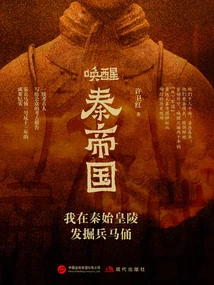
唤醒秦帝国:我在秦始皇陵发掘兵马俑
Xu Weihong
The third excavation of Pit No. 1 Of the Terracotta Warriors and Horses in the Mausoleum of the First Emperor of Qin began in 2009, with Xu Weihong serving as the team leader in the preliminary work. This work, which lasted for more than ten years, adopted the model of "conservation and excavation at the same time, exhibition and excavation at the same time", and added the concept of "telling good stories". Thus, this popular social science work about the history of the Qin Dynasty was produced. After seeing the Terracotta Warriors and Horses, you should also understand the Terracotta Warriors and Horses to lay a solid foundation for the cultural heritage of the Chinese nation. This book is based on the author's more than 30 years of archaeological experience in the Qin and Han Dynasties. It takes the third excavation of Pit No. 1 Of the Terracotta Warriors and Horses in the Mausoleum of the First Emperor of Qin as a clue. In the process of recording archaeological work methods and research reasoning, it guides the public to correctly interpret the historical information contained in the Terracotta Warriors and Horses, understand the true history of the Qin Empire, and complete a date that spans thousands of years.
The third excavation of Pit No. 1 Of the Terracotta Warriors and Horses in the Mausoleum of the First Emperor of Qin began in 2009, with Xu Weihong serving as the team leader in the preliminary work. This work, which lasted for more than ten years, adopted the model of "conservation and excavation at the same time, exhibition and excavation at the same time", and added the concept of "telling good stories". Thus, this popular social science work about the history of the Qin Dynasty was produced. After seeing the Terracotta Warriors and Horses, you should also understand the Terracotta Warriors and Horses to lay a solid foundation for the cultural heritage of the Chinese nation. This book is based on the author's more than 30 years of archaeological experience in the Qin and Han Dynasties. It takes the third excavation of Pit No. 1 Of the Terracotta Warriors and Horses in the Mausoleum of the First Emperor of Qin as a clue. In the process of recording archaeological work methods and research reasoning, it guides the public to correctly interpret the historical information contained in the Terracotta Warriors and Horses, understand the true history of the Qin Empire, and complete a date that spans thousands of years.