Library
Browse and search books
8 novels found
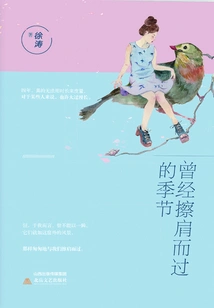
Seasons That Once Passed By
General Fiction曾经擦肩而过的季节
Xu Tao
This is a youth inspirational novel. It contains the confusion when you first enter college, the excitement when chasing your dreams, and weaving a beautiful future with your roommates. The novel writes about the colorful campus life of the post-80s generation from the perspective of the protagonist. However, four years later, when I looked back, I realized that my youth was gone.
This is a youth inspirational novel. It contains the confusion when you first enter college, the excitement when chasing your dreams, and weaving a beautiful future with your roommates. The novel writes about the colorful campus life of the post-80s generation from the perspective of the protagonist. However, four years later, when I looked back, I realized that my youth was gone.
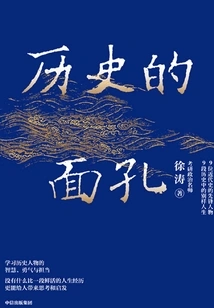
Face of History
History历史的面孔
Xu Tao
China's modern history is a history of suffering, but also a history of continuous exploration by the Chinese people. "Pursuing innovation and change" runs through the entire time and space, and many ideas, many plans, and many life choices have emerged. In the historical general education we have experienced, those who have been given thick and colorful descriptions are front-line historical figures. In fact, there are many important figures who have played an important role in the process of historical development. More importantly, they have the choices of ordinary people and the worries of ordinary people. Their academic progress, love for their children, and life choices can often bring us more practical inspiration. Xu Tao, a famous political teacher for the postgraduate entrance examination, selected nine representative figures in modern history. They were once drops of water entering the sea in the new wave of history. They were also simplified into fragmentary knowledge points in textbooks. In "The Face of History", the faces of these figures gradually become clear. The learning and working environment of modern society requires us to have strong decision-making capabilities and the ability to handle complex affairs. There is no "principle of life" that can bring people more thought and inspiration than a vivid life experience. Let's ponder the underlying logic behind the success or failure of the characters, experience different lives in history, and feel the warmth outside the test site.
China's modern history is a history of suffering, but also a history of continuous exploration by the Chinese people. "Pursuing innovation and change" runs through the entire time and space, and many ideas, many plans, and many life choices have emerged. In the historical general education we have experienced, those who have been given thick and colorful descriptions are front-line historical figures. In fact, there are many important figures who have played an important role in the process of historical development. More importantly, they have the choices of ordinary people and the worries of ordinary people. Their academic progress, love for their children, and life choices can often bring us more practical inspiration. Xu Tao, a famous political teacher for the postgraduate entrance examination, selected nine representative figures in modern history. They were once drops of water entering the sea in the new wave of history. They were also simplified into fragmentary knowledge points in textbooks. In "The Face of History", the faces of these figures gradually become clear. The learning and working environment of modern society requires us to have strong decision-making capabilities and the ability to handle complex affairs. There is no "principle of life" that can bring people more thought and inspiration than a vivid life experience. Let's ponder the underlying logic behind the success or failure of the characters, experience different lives in history, and feel the warmth outside the test site.
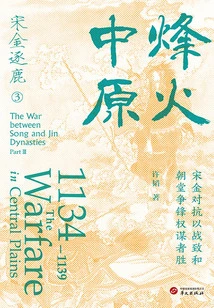
Song and Jin Dynasties 3: War in the Central Plains
General Fiction宋金逐鹿3:烽火中原
Xu Tao
The book "War in the Central Plains" is the third part of the "Song and Jin Dynasty" series of historical novels. It tells the story of Wu Jie repelling the Jin army in the battle of Xianren Pass. Since then, the Jin army gave up its strategic attempt to enter Sichuan from Shaanxi, and the Sichuan-Shaanxi front line was peaceful. At the same time, the Southern Song Dynasty began a partial counterattack. The biggest result was that Yue Fei regained the six counties of Xiangyang in just two months, connecting Sichuan, Shaanxi, Jingxiang, and the southeast. The Southern Song Dynasty was in a more favorable position strategically. Yue Fei also relied on this combat power to become a military envoy, truly becoming one of the famous generals of the ZTE. Liu Yu, the puppet emperor of Qi who was caught between the Jin and Song Dynasties, wanted to use the power of the Jin army to destroy the Southern Song Dynasty. However, his poor planning led to a huge defeat and the emperor's status was in jeopardy. However, under the good situation, Zhang Jun mishandled the situation, which led to the mutiny in Huaixi and ruined the good situation. Fortunately, Jin Guozhu and Pai Talan were in power at this time, and the two sides finally signed the North-South peace treaty...
The book "War in the Central Plains" is the third part of the "Song and Jin Dynasty" series of historical novels. It tells the story of Wu Jie repelling the Jin army in the battle of Xianren Pass. Since then, the Jin army gave up its strategic attempt to enter Sichuan from Shaanxi, and the Sichuan-Shaanxi front line was peaceful. At the same time, the Southern Song Dynasty began a partial counterattack. The biggest result was that Yue Fei regained the six counties of Xiangyang in just two months, connecting Sichuan, Shaanxi, Jingxiang, and the southeast. The Southern Song Dynasty was in a more favorable position strategically. Yue Fei also relied on this combat power to become a military envoy, truly becoming one of the famous generals of the ZTE. Liu Yu, the puppet emperor of Qi who was caught between the Jin and Song Dynasties, wanted to use the power of the Jin army to destroy the Southern Song Dynasty. However, his poor planning led to a huge defeat and the emperor's status was in jeopardy. However, under the good situation, Zhang Jun mishandled the situation, which led to the mutiny in Huaixi and ruined the good situation. Fortunately, Jin Guozhu and Pai Talan were in power at this time, and the two sides finally signed the North-South peace treaty...
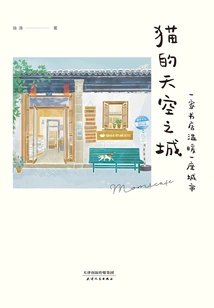
Cat's Sky City
Literature猫的天空之城
Xu Tao
"Cat's City in the Sky" is an autobiographical essay that tells the story of how Xu Tao and Mao Shuhua, a young couple who love life, founded Maokong. During a trip to Nepal, the two came up with a business plan to "send to the future" based on a late postcard. From the first 32-square-meter store on Pingjiang Road to the establishment of the super popular brand "Cat's Sky City" in the subculture field, the founder of Maokong shared his entrepreneurial journey with everyone, giving young people dreams and hopes. I hope this book brings you warmth and strength.
"Cat's City in the Sky" is an autobiographical essay that tells the story of how Xu Tao and Mao Shuhua, a young couple who love life, founded Maokong. During a trip to Nepal, the two came up with a business plan to "send to the future" based on a late postcard. From the first 32-square-meter store on Pingjiang Road to the establishment of the super popular brand "Cat's Sky City" in the subculture field, the founder of Maokong shared his entrepreneurial journey with everyone, giving young people dreams and hopes. I hope this book brings you warmth and strength.
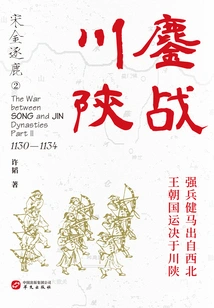
宋金逐鹿2:鏖战川陕
Xu Tao
"Fighting Battle in Sichuan and Shaanxi" is the second part of the "Song and Jin Dynasty" series of historical novels. It describes how the main force of the Jin army was besieged by Han Shizhong in Huangtiandang for forty-eight days. They luckily turned defeat into victory, but never had the chance to cross the Yangtze River again. At this time, both the Song and Jin Dynasties realized the strategic position of Sichuan and Shaanxi, and both sides gathered heavy troops. Because Zhang Jun was eager for success, he rashly fought the Jin army in Fuping, resulting in a disastrous defeat. The large tribes of Shaanxi fell into the hands of the Jin army. At the critical moment, Liu Ziyu, Wu Yu and other manpower turned the tide and fought against the Jin army at Heshangyuan, Raofengguan and Xianrenguan successively. They tried their best to keep Shu's mouth intact, so that the Jin army captured Sichuan and the strategic intention of going eastward along the river to destroy the Song Dynasty could not be realized. At the same time, Qin Hui, who had been stranded in the north for several years, returned to the south, and the Southern Song Dynasty court was about to undergo a far-reaching power reshuffle.
"Fighting Battle in Sichuan and Shaanxi" is the second part of the "Song and Jin Dynasty" series of historical novels. It describes how the main force of the Jin army was besieged by Han Shizhong in Huangtiandang for forty-eight days. They luckily turned defeat into victory, but never had the chance to cross the Yangtze River again. At this time, both the Song and Jin Dynasties realized the strategic position of Sichuan and Shaanxi, and both sides gathered heavy troops. Because Zhang Jun was eager for success, he rashly fought the Jin army in Fuping, resulting in a disastrous defeat. The large tribes of Shaanxi fell into the hands of the Jin army. At the critical moment, Liu Ziyu, Wu Yu and other manpower turned the tide and fought against the Jin army at Heshangyuan, Raofengguan and Xianrenguan successively. They tried their best to keep Shu's mouth intact, so that the Jin army captured Sichuan and the strategic intention of going eastward along the river to destroy the Song Dynasty could not be realized. At the same time, Qin Hui, who had been stranded in the north for several years, returned to the south, and the Southern Song Dynasty court was about to undergo a far-reaching power reshuffle.
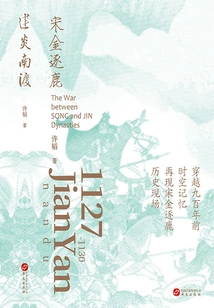
建炎南渡 宋金逐鹿
Xu Tao
After the Jingkang Incident, Zhao Gou went south from Hebei to the Hongqing Palace in Yingtianfu, Nanjing (Shangqiu, Henan Province) to worship the Zhao Song ancestral temple. He ascended the throne in the palace, changed the Yuan Dynasty to Jianyan, and the Southern Song Dynasty (1128-1279) was established. After that, Emperor Gaozong of the Song Dynasty went all the way from the Huaihe River to the Yangtze River and then to Hangzhou. In the first year of Shaoxing (1131), Hangzhou was promoted to Lin'an Prefecture and designated as "Xingzai" (accompanying capital), which was actually the capital. The Jin Dynasty also rushed southward, approaching Lin'an. Song Gaozong had no way to escape, so he had to escape into the sea and wandered along the coast of Wenzhou for four months.
After the Jingkang Incident, Zhao Gou went south from Hebei to the Hongqing Palace in Yingtianfu, Nanjing (Shangqiu, Henan Province) to worship the Zhao Song ancestral temple. He ascended the throne in the palace, changed the Yuan Dynasty to Jianyan, and the Southern Song Dynasty (1128-1279) was established. After that, Emperor Gaozong of the Song Dynasty went all the way from the Huaihe River to the Yangtze River and then to Hangzhou. In the first year of Shaoxing (1131), Hangzhou was promoted to Lin'an Prefecture and designated as "Xingzai" (accompanying capital), which was actually the capital. The Jin Dynasty also rushed southward, approaching Lin'an. Song Gaozong had no way to escape, so he had to escape into the sea and wandered along the coast of Wenzhou for four months.
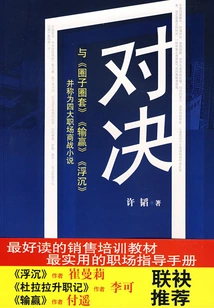
Lurking in the Office: Showdown
General Fiction潜伏在办公室:对决
Xu Tao
After the protagonist failed to start his own business, he experienced hesitation, loss and even despair. He finally found an ordinary position in a good company and finally reached the senior management level of the company with his own ability and unremitting efforts. Here, on the one hand, he has to deal with the open and secret attacks within the company's internal personnel circle, and on the other hand, he has to face the ever-changing market and engage in fierce hand-to-hand combat with his peers. Maybe as an executive he succeeded in the end, but it was the failure of thousands of peers that paved his way to success. In a brutal yet elegant duel, success or failure often depends on chance. Therefore, despite the great success in the end, the protagonist's heart is extremely sad. This is a microcosm of the business war in the workplace and the truest portrayal of the living conditions of individuals in this business society: We may have succeeded this time, but success will not reduce the pressure of tomorrow at all; we may have gained reputation, status, and wealth, but all this still cannot relieve the huge survival anxiety in our hearts.
After the protagonist failed to start his own business, he experienced hesitation, loss and even despair. He finally found an ordinary position in a good company and finally reached the senior management level of the company with his own ability and unremitting efforts. Here, on the one hand, he has to deal with the open and secret attacks within the company's internal personnel circle, and on the other hand, he has to face the ever-changing market and engage in fierce hand-to-hand combat with his peers. Maybe as an executive he succeeded in the end, but it was the failure of thousands of peers that paved his way to success. In a brutal yet elegant duel, success or failure often depends on chance. Therefore, despite the great success in the end, the protagonist's heart is extremely sad. This is a microcosm of the business war in the workplace and the truest portrayal of the living conditions of individuals in this business society: We may have succeeded this time, but success will not reduce the pressure of tomorrow at all; we may have gained reputation, status, and wealth, but all this still cannot relieve the huge survival anxiety in our hearts.
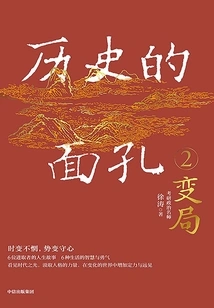
历史的面孔2:变局
Xu Tao
The second book in the series "The Face of History" by Xu Tao, a famous political teacher for the postgraduate entrance examination. Throughout the thousands of years of civilizations in the world, there has never been one as stable as the Chinese civilization, and few are as fond of a stable life as the Chinese. As long as it is stable, life can always be interpreted as very happy. However, after the Opium War, the rolling world trend shattered the long-lasting stability and dragged our country and nation into unprecedented changes. Indeed, this is a major change in the country and nation that every Chinese is familiar with. However, if we focus on individuals - individuals and families in the midst of great changes, we will be even more shocked by how periods of vivid life are pulled apart by the changes. Lin Zexu, who stood at the beginning of the change, Zhang Jian, who went from being a scholar to an industrialist, Qiu Jin, who went from a housewife to a revolutionary, Yang Du, who went from a constitutional expert to a Communist Party member, Gu Hongming, who was proficient in Western medicine and defended tradition, and architect Lin Huiyin, who went from his study to the wilderness, all struggled, confused, and searched for things in the change. History is, after all, a history written by characters. The power of personality is enough to penetrate the years and inspire and inspire future generations. The glory of those who succeed is admirable, but the arduous journey of those who have traveled the road is the wealth given to us by history, which deserves the attention, reference and reference of young readers. When we are trapped and confused, we often go back to history, absorb the wisdom and strength of our ancestors, and start over again to create our own glory.
The second book in the series "The Face of History" by Xu Tao, a famous political teacher for the postgraduate entrance examination. Throughout the thousands of years of civilizations in the world, there has never been one as stable as the Chinese civilization, and few are as fond of a stable life as the Chinese. As long as it is stable, life can always be interpreted as very happy. However, after the Opium War, the rolling world trend shattered the long-lasting stability and dragged our country and nation into unprecedented changes. Indeed, this is a major change in the country and nation that every Chinese is familiar with. However, if we focus on individuals - individuals and families in the midst of great changes, we will be even more shocked by how periods of vivid life are pulled apart by the changes. Lin Zexu, who stood at the beginning of the change, Zhang Jian, who went from being a scholar to an industrialist, Qiu Jin, who went from a housewife to a revolutionary, Yang Du, who went from a constitutional expert to a Communist Party member, Gu Hongming, who was proficient in Western medicine and defended tradition, and architect Lin Huiyin, who went from his study to the wilderness, all struggled, confused, and searched for things in the change. History is, after all, a history written by characters. The power of personality is enough to penetrate the years and inspire and inspire future generations. The glory of those who succeed is admirable, but the arduous journey of those who have traveled the road is the wealth given to us by history, which deserves the attention, reference and reference of young readers. When we are trapped and confused, we often go back to history, absorb the wisdom and strength of our ancestors, and start over again to create our own glory.