Library
Browse and search books
2 novels found
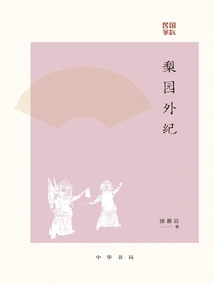
梨园外纪(民国掌故)
Xu Muyun
Do you want to know these interesting facts about the Liyuan: What is the origin of Tan Xinpei's name "Belle"? How did the rich people in the Republic of China win roles? In order to look handsome, how do male actors from the Republic of China clean up their reputation? When a new theater opens, what are the secrets to win the prize and avoid taboos? ... From May 1939 to April 1940, the famous opera theorist Xu Muyun serialized "The Story of the Liyuan" in the "Entertainment Circle" column of "Shenbao", focusing on recording anecdotes and daily life of famous Peking opera actors during the Republic of China, and commenting on the stage arts of Sheng, Dan, Jing, and Chou and the performance characteristics of different schools. This book and "The Secret History of the Forbidden City and the Liyuan Garden" can be described as companion volumes. Together they form a vivid picture of the development and prosperity of the Peking Opera industry in the late Qing Dynasty and the Republic of China.
Do you want to know these interesting facts about the Liyuan: What is the origin of Tan Xinpei's name "Belle"? How did the rich people in the Republic of China win roles? In order to look handsome, how do male actors from the Republic of China clean up their reputation? When a new theater opens, what are the secrets to win the prize and avoid taboos? ... From May 1939 to April 1940, the famous opera theorist Xu Muyun serialized "The Story of the Liyuan" in the "Entertainment Circle" column of "Shenbao", focusing on recording anecdotes and daily life of famous Peking opera actors during the Republic of China, and commenting on the stage arts of Sheng, Dan, Jing, and Chou and the performance characteristics of different schools. This book and "The Secret History of the Forbidden City and the Liyuan Garden" can be described as companion volumes. Together they form a vivid picture of the development and prosperity of the Peking Opera industry in the late Qing Dynasty and the Republic of China.
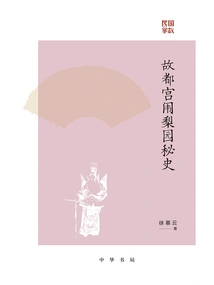
The Secret History of the Liyuan Garden in the Forbidden City (anecdotes from the Republic of China)
History故都宫闱梨园秘史(民国掌故)
Xu Muyun
How does the Queen Mother of the West, a super fancier, order a show? Who is her biggest theater fan? Why is Yang Xiaolou most afraid of meeting Puyi? How did Tan Xinpei ascend to the throne of "King of the Actor World"? Mei Lanfang doesn't know his father's name? ... The scenery and pain of worship in the inner court, the sensational anecdotes of famous actors, and the grievances in the opera garden that are constantly being resolved and turned into chaos are all in "The Secret History of the Imperial Palace Liyuan". "The Secret History of the Forbidden City Liyuan Garden" brings together precious articles serialized by the famous opera theorist Mr. Xu Muyun in the "Entertainment Industry" column of "Shenbao" from November 1938 to April 1939. It is organized in the order of publication and presented in its original form. This book vividly records the secrets of the palace and the opera garden in the late Qing Dynasty, anecdotes of celebrities, and interesting anecdotes. It also introduces a lot of opera knowledge in a simple and easy-to-understand way. It is an important reference for opera lovers and researchers. It is a companion piece to the subsequently serialized "The Story of the Liyuan", leaving us with important memories of the development and prosperity of Peking Opera.
How does the Queen Mother of the West, a super fancier, order a show? Who is her biggest theater fan? Why is Yang Xiaolou most afraid of meeting Puyi? How did Tan Xinpei ascend to the throne of "King of the Actor World"? Mei Lanfang doesn't know his father's name? ... The scenery and pain of worship in the inner court, the sensational anecdotes of famous actors, and the grievances in the opera garden that are constantly being resolved and turned into chaos are all in "The Secret History of the Imperial Palace Liyuan". "The Secret History of the Forbidden City Liyuan Garden" brings together precious articles serialized by the famous opera theorist Mr. Xu Muyun in the "Entertainment Industry" column of "Shenbao" from November 1938 to April 1939. It is organized in the order of publication and presented in its original form. This book vividly records the secrets of the palace and the opera garden in the late Qing Dynasty, anecdotes of celebrities, and interesting anecdotes. It also introduces a lot of opera knowledge in a simple and easy-to-understand way. It is an important reference for opera lovers and researchers. It is a companion piece to the subsequently serialized "The Story of the Liyuan", leaving us with important memories of the development and prosperity of Peking Opera.