Library
Browse and search books
11 novels found
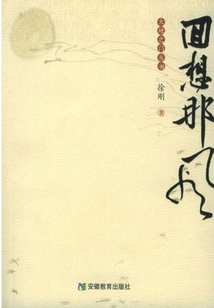
Remember the Wind
Literature回想那风
Xu Gang
Recollection is human rumination. Chew yesterday. Yesterday is always rich, we have to face the colorful and noisy shallowness of today and tomorrow. Recollection is a cup of love water without pollution, which can nourish the tired soul and hungry cells. Generally speaking, when I think about the old self, it is a symbol of life that excludes the walking dead. Indulging in memories is like brewing a jar of wine, picking up yesterday's fragrance or tracing something else. For example, what kind of perfect and fragile seed is human life blown by the wind? If there were no memories, would the world still be smart? Our generation cannot cut down all the trees or pollute all the clean water. Our descendants are being born in a steady stream crying and shouting. I should really recall the wind, the doors and windows that the wind passed through, the mountains facing the doors, and the water in the windows. The door is closed. The window opens...
Recollection is human rumination. Chew yesterday. Yesterday is always rich, we have to face the colorful and noisy shallowness of today and tomorrow. Recollection is a cup of love water without pollution, which can nourish the tired soul and hungry cells. Generally speaking, when I think about the old self, it is a symbol of life that excludes the walking dead. Indulging in memories is like brewing a jar of wine, picking up yesterday's fragrance or tracing something else. For example, what kind of perfect and fragile seed is human life blown by the wind? If there were no memories, would the world still be smart? Our generation cannot cut down all the trees or pollute all the clean water. Our descendants are being born in a steady stream crying and shouting. I should really recall the wind, the doors and windows that the wind passed through, the mountains facing the doors, and the water in the windows. The door is closed. The window opens...
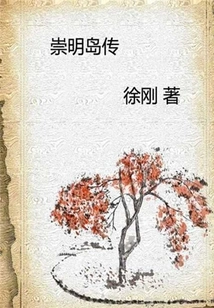
Chongming Island Biography
History崇明岛传
Xu Gang
This book focuses on the history of Chongming Island, so that the characteristics of Chongming Island, including the geographical environment in which it was formed, the magic of large waves crashing and gathering sand into islands, the spirit of reclamation and expansion of sandbanks, and the continuous education and cultural heritage can be highlighted.
This book focuses on the history of Chongming Island, so that the characteristics of Chongming Island, including the geographical environment in which it was formed, the magic of large waves crashing and gathering sand into islands, the spirit of reclamation and expansion of sandbanks, and the continuous education and cultural heritage can be highlighted.
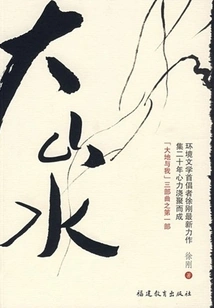
Great Landscape
Literature大山水
Xu Gang
"Big Landscape" is the author's explosive work after several years of seclusion in this field. It is one of the "Earth Trilogy". It is an important attempt by the author in this creative field from style to thought. The whole book examines the relationship between the majestic mountains of the Pamir Plateau, the Qinghai-Tibet Plateau, and the Hengduan Mountains and the complex water system that surrounds them, which is considered to be the most spectacular and magical on earth. It especially focuses on the relationship between mountains and water, and between water and people. It shows the absolute impact of the changes in the holy water of the holy mountains on the cumulative changes in humanities, and finally ends with the concern of the increasingly deteriorating water environment.
"Big Landscape" is the author's explosive work after several years of seclusion in this field. It is one of the "Earth Trilogy". It is an important attempt by the author in this creative field from style to thought. The whole book examines the relationship between the majestic mountains of the Pamir Plateau, the Qinghai-Tibet Plateau, and the Hengduan Mountains and the complex water system that surrounds them, which is considered to be the most spectacular and magical on earth. It especially focuses on the relationship between mountains and water, and between water and people. It shows the absolute impact of the changes in the holy water of the holy mountains on the cumulative changes in humanities, and finally ends with the concern of the increasingly deteriorating water environment.
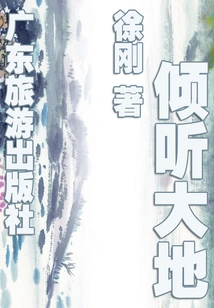
Listen to the Earth
Literature倾听大地
Xu Gang
A proposition that is still indifferent to most philosophers and writers so far has actually been bothering mankind for a long time. How to save the listening land? This kind of environmental protection report literature deserves our careful reading and consideration.
A proposition that is still indifferent to most philosophers and writers so far has actually been bothering mankind for a long time. How to save the listening land? This kind of environmental protection report literature deserves our careful reading and consideration.
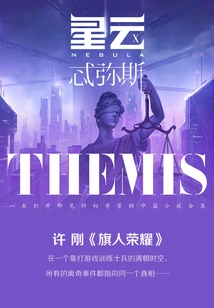
Bannerman Glory
General Fiction旗人荣耀
Xu Gang
In a Qing Dynasty where soldiers were trained by playing games, all bizarre events point to the same truth...
In a Qing Dynasty where soldiers were trained by playing games, all bizarre events point to the same truth...
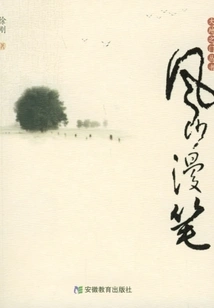
Fengsha Manbi
Literature风沙漫笔
Xu Gang
The collection of Xu Gang's works includes: Loess Plateau, History of the Earth, Lanzhou on the Yellow River, Dunhuang at Sunset, Zuogongliu on the Westbound Road, Gulang Folds, Dream of the Eight Steps of Sand, Revisiting Minqin, Appointment on the Moon, The Lost Ancient City, Ancient Roads in Xinjiang, Water in the Desert, Searching for Lake Ayding, Ruins and Karez, etc.
The collection of Xu Gang's works includes: Loess Plateau, History of the Earth, Lanzhou on the Yellow River, Dunhuang at Sunset, Zuogongliu on the Westbound Road, Gulang Folds, Dream of the Eight Steps of Sand, Revisiting Minqin, Appointment on the Moon, The Lost Ancient City, Ancient Roads in Xinjiang, Water in the Desert, Searching for Lake Ayding, Ruins and Karez, etc.
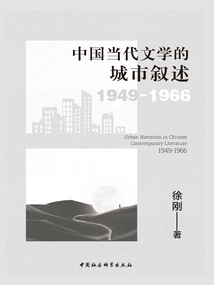
中国当代文学的城市叙述(1949—1966)
Xu Gang
This book takes "Cities in Literature" as its theme and conducts research on urban expressions in literature during the "Seventeen Years" (1949-1966). Through specific text analysis, the ideological convergence process of conflict, adaptation, and differentiation between "socialist literature" and the capitalist "field" of "city" is examined, and then a literary expression of "socialist city" is explored. Although behind this expression lies the contradiction and inherent anxiety of "post-revolutionary" socialist ideology, it is an excellent perspective from which to analyze the legacy and lessons of China's socialism.
This book takes "Cities in Literature" as its theme and conducts research on urban expressions in literature during the "Seventeen Years" (1949-1966). Through specific text analysis, the ideological convergence process of conflict, adaptation, and differentiation between "socialist literature" and the capitalist "field" of "city" is examined, and then a literary expression of "socialist city" is explored. Although behind this expression lies the contradiction and inherent anxiety of "post-revolutionary" socialist ideology, it is an excellent perspective from which to analyze the legacy and lessons of China's socialism.

Dream of Prosperous Homeland
Literature枯荣家园梦
Xu Gang
The contents of this book include: The Sinking Land, The Worries of the End of the Century, Listening to the Earth, Gentle Subjugation, Pollution Surrounds China, Who is Murdering Mother Earth, and other reportage and prose works.
The contents of this book include: The Sinking Land, The Worries of the End of the Century, Listening to the Earth, Gentle Subjugation, Pollution Surrounds China, Who is Murdering Mother Earth, and other reportage and prose works.
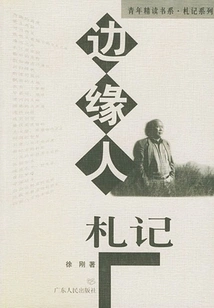
Notes of a Marginalized Person
Literature边缘人札记
Xu Gang
This book is one of the "Youth Intensive Reading Series". Xu Gang was born in the northwest corner of Chongming Island in 1945, a descendant of generations of farmers. Graduated from the Chinese Department of Peking University. His major works include: "Xu Gang's Nine-Line Lyric", "Listening to the Earth", "The Loggers Wake Up", "Liang Qichao", "Watching Home", "Green Manifesto", "The Story of the Yangtze River", "The Story of the Earth", etc.
This book is one of the "Youth Intensive Reading Series". Xu Gang was born in the northwest corner of Chongming Island in 1945, a descendant of generations of farmers. Graduated from the Chinese Department of Peking University. His major works include: "Xu Gang's Nine-Line Lyric", "Listening to the Earth", "The Loggers Wake Up", "Liang Qichao", "Watching Home", "Green Manifesto", "The Story of the Yangtze River", "The Story of the Earth", etc.
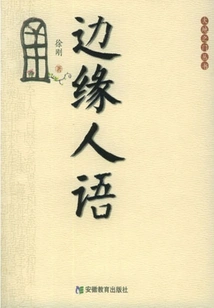
Marginal Language
Literature边缘人语
Xu Gang
The edge of the river, the edge of the sea, is the edge of water. The bland edge, the salty edge, the raw edge. People on the margins tend to be numb. Dreams on the edge often wake up. The edge is a landscape. In a sense, the edge state is always a state of change, and it is also the best state that can activate people's thoughts and emotions. Between survival and destruction, either numbness ends or intelligence flashes. When people are on the edge, the grass is also on the edge, and the fish are also on the edge. Destiny and opportunity are all on the edge. From the edge of freedom to the edge of freedom, people are wary and have no barriers in their hearts. The thought of being on the edge makes the sea and the sky brighter. Borderline lonely. Beautiful around the edges. After being far away from myths, the marginal revelation is engraved on every grain of sand, growing on every reed, embedded in every fish scale, and carried on every pair of wings - between creation and disaster, between peace and violence, between happiness and pain. Between the ethereal and the material, between survival and destruction, we are all on the edge.
The edge of the river, the edge of the sea, is the edge of water. The bland edge, the salty edge, the raw edge. People on the margins tend to be numb. Dreams on the edge often wake up. The edge is a landscape. In a sense, the edge state is always a state of change, and it is also the best state that can activate people's thoughts and emotions. Between survival and destruction, either numbness ends or intelligence flashes. When people are on the edge, the grass is also on the edge, and the fish are also on the edge. Destiny and opportunity are all on the edge. From the edge of freedom to the edge of freedom, people are wary and have no barriers in their hearts. The thought of being on the edge makes the sea and the sky brighter. Borderline lonely. Beautiful around the edges. After being far away from myths, the marginal revelation is engraved on every grain of sand, growing on every reed, embedded in every fish scale, and carried on every pair of wings - between creation and disaster, between peace and violence, between happiness and pain. Between the ethereal and the material, between survival and destruction, we are all on the edge.
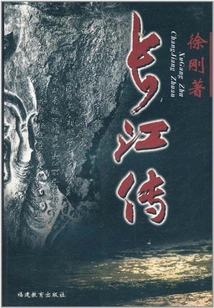
Legend of the Yangtze River
History长江传
Xu Gang
A beautiful, poignant and touching biography about the Yangtze River. The author traces the initial form of the ancient Yangtze River that flowed from east to west hundreds of millions of years ago, from the prelude of the wandering water to the end of rushing into the sea. Just like Xu Gang's previous style, sometimes it opens and closes, ups and downs; sometimes it is meticulous and penetrating. It integrates geography, history, characters, and culture, faces history and reality, and depicts full of sorrows on the background of the earth, teaching people to meditate in all directions. The book contains both detailed descriptions of the Yangtze River's century-old floods and creative blueprints for a Green China. The unique context permeates the lines. The consideration of the integrity of the earth gives the author an unforgettable warning: We are walking on a road of no return that is getting closer and closer to material wealth and farther and farther away from the rivers and the earth.
A beautiful, poignant and touching biography about the Yangtze River. The author traces the initial form of the ancient Yangtze River that flowed from east to west hundreds of millions of years ago, from the prelude of the wandering water to the end of rushing into the sea. Just like Xu Gang's previous style, sometimes it opens and closes, ups and downs; sometimes it is meticulous and penetrating. It integrates geography, history, characters, and culture, faces history and reality, and depicts full of sorrows on the background of the earth, teaching people to meditate in all directions. The book contains both detailed descriptions of the Yangtze River's century-old floods and creative blueprints for a Green China. The unique context permeates the lines. The consideration of the integrity of the earth gives the author an unforgettable warning: We are walking on a road of no return that is getting closer and closer to material wealth and farther and farther away from the rivers and the earth.