Library
Browse and search novels
1 novel found
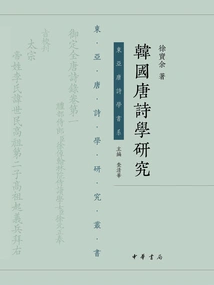
Research on Korean Tang Poetry
Literature韩国唐诗学研究
Xu Baoyu
Compared with the study of Tang poetics in Japan, there are still many things to be discovered in the research on the spread and influence of Tang poetry in Korea, and the degree of attention it has received is relatively insufficient. This book focuses on Korean Tang poetics and provides a comprehensive introduction and research on Korean Tang poetics from the Three Kingdoms period to the Lee Dynasty's Joseon period. The whole book is divided into six parts, which are gradually developed from the aspects of summary, poetry, methods, creation, experts and collection of sentences. The overview part gives an overall and objective description of the process of Korean Tang poetry from both the logical and historical levels. The poetic discussion part summarizes Korean comments on important writers of Tang poetry from Korean poetic discourse. The method part mainly summarizes the interpretation methods of Korean Tang poetry from the perspective of poetic hermeneutics. Nahwa concluded that the creative part selects several representative writers from ancient Korean poets for specific analysis, the expert part introduces several experts in ancient Korean Tang poetics, and the collection of verses summarizes the Tang poetry that has been lost in Korea from the perspective of lost documents.
Compared with the study of Tang poetics in Japan, there are still many things to be discovered in the research on the spread and influence of Tang poetry in Korea, and the degree of attention it has received is relatively insufficient. This book focuses on Korean Tang poetics and provides a comprehensive introduction and research on Korean Tang poetics from the Three Kingdoms period to the Lee Dynasty's Joseon period. The whole book is divided into six parts, which are gradually developed from the aspects of summary, poetry, methods, creation, experts and collection of sentences. The overview part gives an overall and objective description of the process of Korean Tang poetry from both the logical and historical levels. The poetic discussion part summarizes Korean comments on important writers of Tang poetry from Korean poetic discourse. The method part mainly summarizes the interpretation methods of Korean Tang poetry from the perspective of poetic hermeneutics. Nahwa concluded that the creative part selects several representative writers from ancient Korean poets for specific analysis, the expert part introduces several experts in ancient Korean Tang poetics, and the collection of verses summarizes the Tang poetry that has been lost in Korea from the perspective of lost documents.