Library
Browse and search books
8 novels found
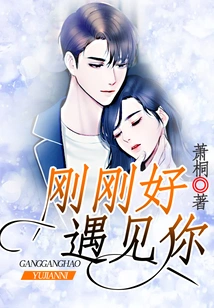
I Just Happened to Meet You
Modern Romance刚刚好遇见你
Xiao Tong
In this world, everyone has their own way of life. Some people are naturally superior, dissatisfied with the status quo, and dare to think and do; some people are forced to live a busy life, and they may not be appreciated by others. He moved into the Xinghai Community for various reasons. The most fortunate thing is that every encounter is just right.
In this world, everyone has their own way of life. Some people are naturally superior, dissatisfied with the status quo, and dare to think and do; some people are forced to live a busy life, and they may not be appreciated by others. He moved into the Xinghai Community for various reasons. The most fortunate thing is that every encounter is just right.
经典诗文总集:昭明文选(四)
Xiao Tong
"Selected Works of Zhaoming", also known as "Selected Works", is an earlier collection of poems and essays in China. It contains more than 700 poems and essays by more than 130 authors from the Zhou Dynasty to the Six Dynasties before Liang Dynasty. It was compiled and selected by Xiao Tong, the eldest son of Emperor Wu of Liang Dynasty in the Southern Dynasties. The content of this book can be roughly divided into three major categories: Fu, poetry, and essays, which are further divided into 38 subcategories. His rigorous selection of materials and attention to vocabulary have made a clear distinction between literature and history in China since the pre-Qin Dynasty. "Selected Works of Zhaoming" carefully selects materials and pays attention to vocabulary, and most of the selected works are elegant. In the eyes of literati in the past, it has always been regarded as a textbook of literature and a must-read book for scholars. It has been circulated for more than a thousand years. Fu and poems account for the largest proportion in this book. According to content, Fu is divided into 15 categories such as Kyoto, Suburban Sacrifice, and Farming Books, and poetry is divided into 23 categories such as Compensating for Death, Describing Virtue, and Encouragement. This classification reflects Xiao Tong's theoretical views on the development of ancient literature, especially the classification and origin of genres, and reflects that stylistic analysis has entered a very detailed stage at that time. Due to the advantages of "Selected Works" itself, its influence is far deeper and wider than other collections of poems of the same type. In the Tang Dynasty, poetry was used to select scholars, and the literature of the Tang Dynasty had a close inheritance relationship with the literature of the Six Dynasties. Therefore, "Selected Works" became the most appropriate model for people to learn poetry and poetry, even alongside the classics and biographies.
"Selected Works of Zhaoming", also known as "Selected Works", is an earlier collection of poems and essays in China. It contains more than 700 poems and essays by more than 130 authors from the Zhou Dynasty to the Six Dynasties before Liang Dynasty. It was compiled and selected by Xiao Tong, the eldest son of Emperor Wu of Liang Dynasty in the Southern Dynasties. The content of this book can be roughly divided into three major categories: Fu, poetry, and essays, which are further divided into 38 subcategories. His rigorous selection of materials and attention to vocabulary have made a clear distinction between literature and history in China since the pre-Qin Dynasty. "Selected Works of Zhaoming" carefully selects materials and pays attention to vocabulary, and most of the selected works are elegant. In the eyes of literati in the past, it has always been regarded as a textbook of literature and a must-read book for scholars. It has been circulated for more than a thousand years. Fu and poems account for the largest proportion in this book. According to content, Fu is divided into 15 categories such as Kyoto, Suburban Sacrifice, and Farming Books, and poetry is divided into 23 categories such as Compensating for Death, Describing Virtue, and Encouragement. This classification reflects Xiao Tong's theoretical views on the development of ancient literature, especially the classification and origin of genres, and reflects that stylistic analysis has entered a very detailed stage at that time. Due to the advantages of "Selected Works" itself, its influence is far deeper and wider than other collections of poems of the same type. In the Tang Dynasty, poetry was used to select scholars, and the literature of the Tang Dynasty had a close inheritance relationship with the literature of the Six Dynasties. Therefore, "Selected Works" became the most appropriate model for people to learn poetry and poetry, even alongside the classics and biographies.
经典诗文总集:昭明文选(三)
Xiao Tong
"Selected Works of Zhaoming", also known as "Selected Works", is an earlier collection of poems and essays in China. It contains more than 700 poems and essays by more than 130 authors from the Zhou Dynasty to the Six Dynasties before Liang Dynasty. It was compiled and selected by Xiao Tong, the eldest son of Emperor Wu of Liang Dynasty in the Southern Dynasties. The content of this book can be roughly divided into three major categories: Fu, poetry, and essays, which are further divided into 38 subcategories. His rigorous selection of materials and attention to vocabulary have made a clear distinction between literature and history in China since the pre-Qin Dynasty. "Selected Works of Zhaoming" carefully selects materials and pays attention to vocabulary, and most of the selected works are elegant. In the eyes of literati in the past, it has always been regarded as a textbook of literature and a must-read book for scholars. It has been circulated for more than a thousand years. Fu and poems account for the largest proportion in this book. According to content, Fu is divided into 15 categories such as Kyoto, Suburban Sacrifice, and Farming Books, and poetry is divided into 23 categories such as Compensating for Death, Describing Virtue, and Encouragement. This classification reflects Xiao Tong's theoretical views on the development of ancient literature, especially the classification and origin of genres, and reflects that stylistic analysis has entered a very detailed stage at that time. Due to the advantages of "Selected Works" itself, its influence is far deeper and wider than other collections of poems of the same type. In the Tang Dynasty, poetry was used to select scholars, and the literature of the Tang Dynasty had a close inheritance relationship with the literature of the Six Dynasties. Therefore, "Selected Works" became the most appropriate model for people to learn poetry and poetry, even alongside the classics and biographies.
"Selected Works of Zhaoming", also known as "Selected Works", is an earlier collection of poems and essays in China. It contains more than 700 poems and essays by more than 130 authors from the Zhou Dynasty to the Six Dynasties before Liang Dynasty. It was compiled and selected by Xiao Tong, the eldest son of Emperor Wu of Liang Dynasty in the Southern Dynasties. The content of this book can be roughly divided into three major categories: Fu, poetry, and essays, which are further divided into 38 subcategories. His rigorous selection of materials and attention to vocabulary have made a clear distinction between literature and history in China since the pre-Qin Dynasty. "Selected Works of Zhaoming" carefully selects materials and pays attention to vocabulary, and most of the selected works are elegant. In the eyes of literati in the past, it has always been regarded as a textbook of literature and a must-read book for scholars. It has been circulated for more than a thousand years. Fu and poems account for the largest proportion in this book. According to content, Fu is divided into 15 categories such as Kyoto, Suburban Sacrifice, and Farming Books, and poetry is divided into 23 categories such as Compensating for Death, Describing Virtue, and Encouragement. This classification reflects Xiao Tong's theoretical views on the development of ancient literature, especially the classification and origin of genres, and reflects that stylistic analysis has entered a very detailed stage at that time. Due to the advantages of "Selected Works" itself, its influence is far deeper and wider than other collections of poems of the same type. In the Tang Dynasty, poetry was used to select scholars, and the literature of the Tang Dynasty had a close inheritance relationship with the literature of the Six Dynasties. Therefore, "Selected Works" became the most appropriate model for people to learn poetry and poetry, even alongside the classics and biographies.
经典诗文总集:昭明文选(五)
Xiao Tong
"Selected Works of Zhaoming", also known as "Selected Works", is an earlier collection of poems and essays in China. It contains more than 700 poems and essays by more than 130 authors from the Zhou Dynasty to the Six Dynasties before Liang Dynasty. It was compiled and selected by Xiao Tong, the eldest son of Emperor Wu of Liang Dynasty in the Southern Dynasties. The content of this book can be roughly divided into three major categories: Fu, poetry, and essays, which are further divided into 38 subcategories. His rigorous selection of materials and attention to vocabulary have made a clear distinction between literature and history in China since the pre-Qin Dynasty. "Selected Works of Zhaoming" carefully selects materials and pays attention to vocabulary, and most of the selected works are elegant. In the eyes of literati in the past, it has always been regarded as a textbook of literature and a must-read book for scholars. It has been circulated for more than a thousand years. Fu and poems account for the largest proportion in this book. According to content, Fu is divided into 15 categories such as Kyoto, Suburban Sacrifice, and Farming Books, and poetry is divided into 23 categories such as Compensating for Death, Describing Virtue, and Encouragement. This classification reflects Xiao Tong's theoretical views on the development of ancient literature, especially the classification and origin of genres, and reflects that stylistic analysis has entered a very detailed stage at that time. Due to the advantages of "Selected Works" itself, its influence is far deeper and wider than other collections of poems of the same type. In the Tang Dynasty, poetry was used to select scholars, and the literature of the Tang Dynasty had a close inheritance relationship with the literature of the Six Dynasties. Therefore, "Selected Works" became the most appropriate model for people to learn poetry and poetry, even alongside the classics and biographies.
"Selected Works of Zhaoming", also known as "Selected Works", is an earlier collection of poems and essays in China. It contains more than 700 poems and essays by more than 130 authors from the Zhou Dynasty to the Six Dynasties before Liang Dynasty. It was compiled and selected by Xiao Tong, the eldest son of Emperor Wu of Liang Dynasty in the Southern Dynasties. The content of this book can be roughly divided into three major categories: Fu, poetry, and essays, which are further divided into 38 subcategories. His rigorous selection of materials and attention to vocabulary have made a clear distinction between literature and history in China since the pre-Qin Dynasty. "Selected Works of Zhaoming" carefully selects materials and pays attention to vocabulary, and most of the selected works are elegant. In the eyes of literati in the past, it has always been regarded as a textbook of literature and a must-read book for scholars. It has been circulated for more than a thousand years. Fu and poems account for the largest proportion in this book. According to content, Fu is divided into 15 categories such as Kyoto, Suburban Sacrifice, and Farming Books, and poetry is divided into 23 categories such as Compensating for Death, Describing Virtue, and Encouragement. This classification reflects Xiao Tong's theoretical views on the development of ancient literature, especially the classification and origin of genres, and reflects that stylistic analysis has entered a very detailed stage at that time. Due to the advantages of "Selected Works" itself, its influence is far deeper and wider than other collections of poems of the same type. In the Tang Dynasty, poetry was used to select scholars, and the literature of the Tang Dynasty had a close inheritance relationship with the literature of the Six Dynasties. Therefore, "Selected Works" became the most appropriate model for people to learn poetry and poetry, even alongside the classics and biographies.
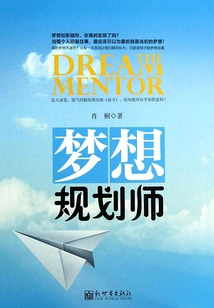
Dream Planner (ukiyo-e of the Human Workplace)
General Fiction梦想规划师(人间职场浮世绘)
Xiao Tong
When I turned around, I was nearly thirty years old. Su Linuo, who had worked as a co-worker in a foreign company for several years, went to a foreign business school to interview for an MBA under the pressure of company layoffs. She unexpectedly met a man who claimed to be a dream planner. The layoffs became more and more turbulent, and after various overt and covert struggles in the workplace, she fell into a well-designed puzzle and was passively eliminated. So, she teamed up with two best friends who were equally dissatisfied with her status, the cautious researcher Anyang and the charming freelancer Wandora, and began to try to start a business under the guidance of the dream planner. However, changes have brought more uncertainty. Sulino accidentally got involved in Wandora's feelings, and the relationship between best friends for many years was at stake. When everything began to deviate from the dream planner's design, Sulinuo began to doubt his identity and discovered an even more amazing inside story... In the end, the best friends got through the difficulties together and welcomed the arrival of their thirties.
When I turned around, I was nearly thirty years old. Su Linuo, who had worked as a co-worker in a foreign company for several years, went to a foreign business school to interview for an MBA under the pressure of company layoffs. She unexpectedly met a man who claimed to be a dream planner. The layoffs became more and more turbulent, and after various overt and covert struggles in the workplace, she fell into a well-designed puzzle and was passively eliminated. So, she teamed up with two best friends who were equally dissatisfied with her status, the cautious researcher Anyang and the charming freelancer Wandora, and began to try to start a business under the guidance of the dream planner. However, changes have brought more uncertainty. Sulino accidentally got involved in Wandora's feelings, and the relationship between best friends for many years was at stake. When everything began to deviate from the dream planner's design, Sulinuo began to doubt his identity and discovered an even more amazing inside story... In the end, the best friends got through the difficulties together and welcomed the arrival of their thirties.
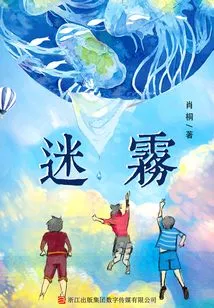
Fog
General Fiction迷雾
Xiao Tong
A group of radio station alumni who graduated from college in 1989 meet at a fixed time and place every year. As a result, at this gathering, the then station director Zhong Yi did not appear, but it was closely related to a death case. Was it a kidnapping and disappearance or a absconding in fear of crime? Yin Ziyan and the old alumni of the radio station began a journey of searching for someone. Chen Yu, a police officer who has had a crush on Yin Ziyan for many years, is responsible for the entire case. In order to find out his missing ex-boyfriend Zhong Yi, Yin Ziyan was forced to form a non-staff crime-solving partner with Chen Yu. The process of searching for a person is full of fog, and it unexpectedly involves another accidental death in the year of graduation... What we see may not be true. Each of us lives at the intersection of time and space. If we miss a bit, we can't go back to the past... The fog has cleared, and secret thoughts are surging.
A group of radio station alumni who graduated from college in 1989 meet at a fixed time and place every year. As a result, at this gathering, the then station director Zhong Yi did not appear, but it was closely related to a death case. Was it a kidnapping and disappearance or a absconding in fear of crime? Yin Ziyan and the old alumni of the radio station began a journey of searching for someone. Chen Yu, a police officer who has had a crush on Yin Ziyan for many years, is responsible for the entire case. In order to find out his missing ex-boyfriend Zhong Yi, Yin Ziyan was forced to form a non-staff crime-solving partner with Chen Yu. The process of searching for a person is full of fog, and it unexpectedly involves another accidental death in the year of graduation... What we see may not be true. Each of us lives at the intersection of time and space. If we miss a bit, we can't go back to the past... The fog has cleared, and secret thoughts are surging.
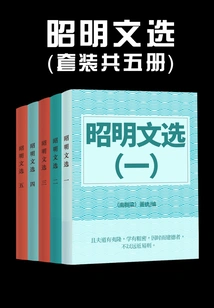
昭明文选(全集)
Xiao Tong
"Selected Works of Zhaoming", also known as "Selected Works", is the earliest extant collection of poems and essays in China. It contains more than 700 poems and essays by more than 130 authors from the Zhou Dynasty to the Six Dynasties before Liang Dynasty. Xiao Tong was given the posthumous title "Zhaoming" after his death, so the anthology he edited is called "Selected Works of Zhaoming". Due to the rigorous selection of materials and emphasis on vocabulary in "Selected Works of Zhaoming", most of the works selected are elegant. In the eyes of literati in the past, it has always been regarded as a textbook of literature and a must-read book for scholars. It has been circulated for more than a thousand years.
"Selected Works of Zhaoming", also known as "Selected Works", is the earliest extant collection of poems and essays in China. It contains more than 700 poems and essays by more than 130 authors from the Zhou Dynasty to the Six Dynasties before Liang Dynasty. Xiao Tong was given the posthumous title "Zhaoming" after his death, so the anthology he edited is called "Selected Works of Zhaoming". Due to the rigorous selection of materials and emphasis on vocabulary in "Selected Works of Zhaoming", most of the works selected are elegant. In the eyes of literati in the past, it has always been regarded as a textbook of literature and a must-read book for scholars. It has been circulated for more than a thousand years.
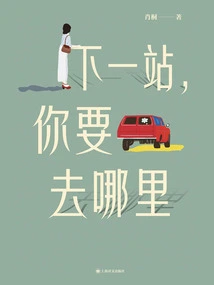
下一站,你要去哪里(全世界平凡人的故事)
Xiao Tong
It selects the encounter and mutual understanding between an entrepreneurial woman and 10 taxi drivers, and shares the sour or sweet stories of lonely people in 23 cities. A human observation guide with a global perspective and humanistic thinking, focusing on ordinary people's life choices and ideal pursuits. From New York to Ninglang, from planes to online ride-hailing, follow the author to get to know ordinary people in different countries and cities over a glass of wine and a bowl of noodles. "Next Stop, Where Are You Going" is a collection of urban travel essays written by Xiao Tong, a contracted author of Harvest Story Factory. Each article is based on the experience of a city, and the author's conversations with local ordinary people reveal the common emotions and concerns of the general public, especially taxi drivers. Most of the cities covered in the book are inclusive international metropolises or characteristic small towns. By following the author's true and detailed description, readers can not only experience the difficulties of working women in their careers, but also follow New York taxi drivers as they imagine the American dream. They can also look back on their bad exes with the female drivers in Shenyang, and resonate with the literary passion of the old lady Kirkland Parkinson.
It selects the encounter and mutual understanding between an entrepreneurial woman and 10 taxi drivers, and shares the sour or sweet stories of lonely people in 23 cities. A human observation guide with a global perspective and humanistic thinking, focusing on ordinary people's life choices and ideal pursuits. From New York to Ninglang, from planes to online ride-hailing, follow the author to get to know ordinary people in different countries and cities over a glass of wine and a bowl of noodles. "Next Stop, Where Are You Going" is a collection of urban travel essays written by Xiao Tong, a contracted author of Harvest Story Factory. Each article is based on the experience of a city, and the author's conversations with local ordinary people reveal the common emotions and concerns of the general public, especially taxi drivers. Most of the cities covered in the book are inclusive international metropolises or characteristic small towns. By following the author's true and detailed description, readers can not only experience the difficulties of working women in their careers, but also follow New York taxi drivers as they imagine the American dream. They can also look back on their bad exes with the female drivers in Shenyang, and resonate with the literary passion of the old lady Kirkland Parkinson.