Library
Browse and search books
2 novels found
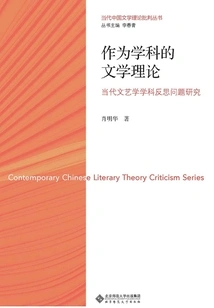
作为学科的文学理论:当代文艺学学科反思问题研究
Xiao Minghua
This book takes the academic case of disciplinary reflection that has emerged in the transformation and development of contemporary Chinese literary theory since the 1990s as the research center. It combs the occurrence and development process of disciplinary reflection in literary theory, and conducts a relatively in-depth discussion on a series of issues involved in literary theory research objects, ways of thinking, value positions, identity, knowledge configuration and future trends. The author believes that contemporary reflection on the discipline of literary theory takes literary theory itself as the research object, which is a symptom of the discipline of literary theory becoming self-conscious and helps to highlight the sense of history in the production of literary theory knowledge. The reflective literary theory knowledge form it constructs even represents a development direction of literary theory. But no matter what, we must not forget to ask about "good literary theory". This "questioning" is probably not only a reason for the continuation of the reflection on the discipline of literary theory, but also the proper meaning of the topic "literary theory as a discipline."
This book takes the academic case of disciplinary reflection that has emerged in the transformation and development of contemporary Chinese literary theory since the 1990s as the research center. It combs the occurrence and development process of disciplinary reflection in literary theory, and conducts a relatively in-depth discussion on a series of issues involved in literary theory research objects, ways of thinking, value positions, identity, knowledge configuration and future trends. The author believes that contemporary reflection on the discipline of literary theory takes literary theory itself as the research object, which is a symptom of the discipline of literary theory becoming self-conscious and helps to highlight the sense of history in the production of literary theory knowledge. The reflective literary theory knowledge form it constructs even represents a development direction of literary theory. But no matter what, we must not forget to ask about "good literary theory". This "questioning" is probably not only a reason for the continuation of the reflection on the discipline of literary theory, but also the proper meaning of the topic "literary theory as a discipline."

20世纪90年代社会文化语境下的文学理论转型
Xiao Minghua
The book focuses on the transformation of literary theory in the social and cultural context of the 1990s. It not only describes it at a macro level, but also examines it in detail. The author believes that literary theory in the 1990s is not a single existence, but consists of some specific and differentiated academic discourses and intellectual events. However, due to the rise of popular culture, reflection on modernity and the prominence of identity politics, contemporary literary theory has shown certain commonalities, leading to transformations in terms of research objects, research methods, value orientations, identity, functional positioning, etc. "Big literary theory" can be used as the intellectual form of literary theory after transformation. Specific theoretical discourses such as theoretical criticism, cultural studies, cultural poetics, postcolonial criticism, and feminist criticism must be placed in this knowledge type to gain practical understanding. The legality and justification of the transformation of "big literary theory" is still a basic issue that requires the attention of the literary theory community. In a certain sense, it will have a lasting impact on the context and direction of current and even future literary theory.
The book focuses on the transformation of literary theory in the social and cultural context of the 1990s. It not only describes it at a macro level, but also examines it in detail. The author believes that literary theory in the 1990s is not a single existence, but consists of some specific and differentiated academic discourses and intellectual events. However, due to the rise of popular culture, reflection on modernity and the prominence of identity politics, contemporary literary theory has shown certain commonalities, leading to transformations in terms of research objects, research methods, value orientations, identity, functional positioning, etc. "Big literary theory" can be used as the intellectual form of literary theory after transformation. Specific theoretical discourses such as theoretical criticism, cultural studies, cultural poetics, postcolonial criticism, and feminist criticism must be placed in this knowledge type to gain practical understanding. The legality and justification of the transformation of "big literary theory" is still a basic issue that requires the attention of the literary theory community. In a certain sense, it will have a lasting impact on the context and direction of current and even future literary theory.