Library
Browse and search books
119 novels found
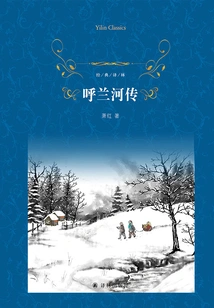
The Story of Hulan River (classic Translation)
General Fiction呼兰河传(经典译林)
Xiao Hong
On the banks of the Hulan River, there is Xiao Hong's innocent happiness as a child and his grand and desolate life insights. After many years of wandering, she looked back on her childhood at the end of her life and wrote "The Story of Hulan River", a "memory" novel full of childlike innocence, poetry and inspiration. She uses painterly language to present rough, red and green primitive colors against the gray background of daily life, outlining scenes full of childlike images. This work uses Xiao Hong's own childhood life as a clue, stringing together lonely childhood stories, vividly reflecting the social style and human sentiments of the small town of Hulan at that time, thereby ruthlessly exposing and lashing out at the cancer that China's thousands of years of feudal bad habits have formed in society, and the plague-like disaster caused by the cancer's festering and spreading.
On the banks of the Hulan River, there is Xiao Hong's innocent happiness as a child and his grand and desolate life insights. After many years of wandering, she looked back on her childhood at the end of her life and wrote "The Story of Hulan River", a "memory" novel full of childlike innocence, poetry and inspiration. She uses painterly language to present rough, red and green primitive colors against the gray background of daily life, outlining scenes full of childlike images. This work uses Xiao Hong's own childhood life as a clue, stringing together lonely childhood stories, vividly reflecting the social style and human sentiments of the small town of Hulan at that time, thereby ruthlessly exposing and lashing out at the cancer that China's thousands of years of feudal bad habits have formed in society, and the plague-like disaster caused by the cancer's festering and spreading.
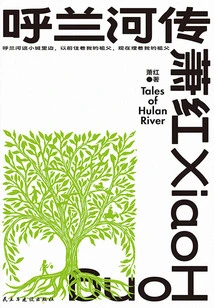
The Legend of Hulan River
General Fiction呼兰河传
Xiao Hong
"The Story of Hulan River" takes Xiao Hong's hometown Hulan Town as the writing object. It describes the customs and customs of Hulan Town in Heilongjiang Province with the characteristics of northeastern rural areas, as well as the ordinary lives of local people. The people there are kind and brave, but also insensitive to real life and just muddle along. In this contradictory emotion, Xiao Hong expressed her nostalgia for her childhood and her hometown. "The Story of Hulan River" not only creates a beautiful and quiet picture of life, but also exposes and criticizes the weaknesses of the national character from a unique perspective and his own life experience. The author uses the description of human tragedy to see through the tragedy of a wide range of human life, and even the tragedy of the entire society, so that his novel contains unique and rich cultural connotations.
"The Story of Hulan River" takes Xiao Hong's hometown Hulan Town as the writing object. It describes the customs and customs of Hulan Town in Heilongjiang Province with the characteristics of northeastern rural areas, as well as the ordinary lives of local people. The people there are kind and brave, but also insensitive to real life and just muddle along. In this contradictory emotion, Xiao Hong expressed her nostalgia for her childhood and her hometown. "The Story of Hulan River" not only creates a beautiful and quiet picture of life, but also exposes and criticizes the weaknesses of the national character from a unique perspective and his own life experience. The author uses the description of human tragedy to see through the tragedy of a wide range of human life, and even the tragedy of the entire society, so that his novel contains unique and rich cultural connotations.
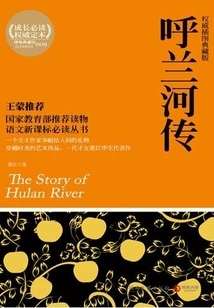
The Legend of Hulan River
General Fiction呼兰河传
Xiao Hong
Mao Dun commented that "The Story of Hulan River" is "a narrative poem, a colorful folk painting, and a string of sad ballads." Life in the small town of Hulan River may be a bit dull. Xiao Hong uses painterly language to "present bold, red and green primitive colors in front of the gray background of daily life", outlining scenes full of childlike images.
Mao Dun commented that "The Story of Hulan River" is "a narrative poem, a colorful folk painting, and a string of sad ballads." Life in the small town of Hulan River may be a bit dull. Xiao Hong uses painterly language to "present bold, red and green primitive colors in front of the gray background of daily life", outlining scenes full of childlike images.
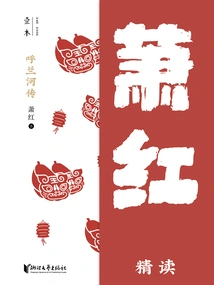
呼兰河传:萧红精读
Xiao Hong
"The Story of the Hulan River: An Intensive Reading by Xiao Hong" selects Xiao Hong's representative novella "The Story of the Hulan River" and the essays "Hungry", "Spring Hanging on the Treetops", "Recalling Mr. Lu Xun", etc., And finally attaches the preface written by Lu Xun for Xiao Hong's novella "The Field of Life and Death", of which "The Story of the Hulan River" has been selected as a Chinese language textbook.
"The Story of the Hulan River: An Intensive Reading by Xiao Hong" selects Xiao Hong's representative novella "The Story of the Hulan River" and the essays "Hungry", "Spring Hanging on the Treetops", "Recalling Mr. Lu Xun", etc., And finally attaches the preface written by Lu Xun for Xiao Hong's novella "The Field of Life and Death", of which "The Story of the Hulan River" has been selected as a Chinese language textbook.
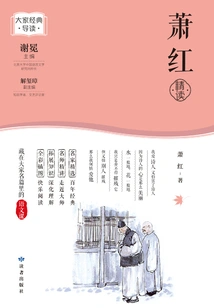
萧红精读(大家经典导读)
Xiao Hong
From Mr. Xiao Hong's classic works, 30 works are selected that are suitable for target readers and children of this age group; the introductory reading section deeply analyzes the writing styles of literary masters and appreciates the value of literature.
From Mr. Xiao Hong's classic works, 30 works are selected that are suitable for target readers and children of this age group; the introductory reading section deeply analyzes the writing styles of literary masters and appreciates the value of literature.
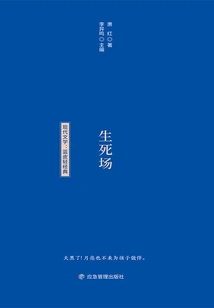
蓝皮轻经典阅读书系:生死场
Xiao Hong
"The Field of Life and Death" is a classic masterpiece handed down by Xiao Hong, written in September 1934. It was originally called "Wheat Field" and later renamed "Field of Life and Death". For readers who like Xiao Hong's works, this book is worth reading. "The Field of Life and Death" is set in the northeastern countryside before and after the Japanese occupation. It truly reflects the tragic experience of farmers in the old society and ruthlessly exposes the darkness of society under the rule of the Japanese and puppets with bloody reality. At the same time, it also expresses the awakening and resistance of the Northeast farmers, and praises their national integrity in vowing not to be slaves to the country's subjugation and resolutely fighting the invaders to the end. The publication of "The Field of Life and Death" conformed to the requirements of the times, called for the awakening of national consciousness, and played a great inspiring role in strengthening the people's fighting spirit against Japanese aggression. Xiao Hong boldly reflects the people's demands and wishes in her works, expresses her love for the motherland and the people, and shows her strong patriotism.
"The Field of Life and Death" is a classic masterpiece handed down by Xiao Hong, written in September 1934. It was originally called "Wheat Field" and later renamed "Field of Life and Death". For readers who like Xiao Hong's works, this book is worth reading. "The Field of Life and Death" is set in the northeastern countryside before and after the Japanese occupation. It truly reflects the tragic experience of farmers in the old society and ruthlessly exposes the darkness of society under the rule of the Japanese and puppets with bloody reality. At the same time, it also expresses the awakening and resistance of the Northeast farmers, and praises their national integrity in vowing not to be slaves to the country's subjugation and resolutely fighting the invaders to the end. The publication of "The Field of Life and Death" conformed to the requirements of the times, called for the awakening of national consciousness, and played a great inspiring role in strengthening the people's fighting spirit against Japanese aggression. Xiao Hong boldly reflects the people's demands and wishes in her works, expresses her love for the motherland and the people, and shows her strong patriotism.
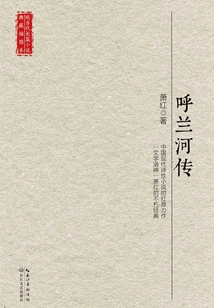
The Legend of Hulan River
General Fiction呼兰河传
Xiao Hong
In the 1920s, in a small county town by the Hulan River in Northeast China, life was like a river flowing with tranquility and ease, but also with ignorance and hardship. Life in Hulan River may be a bit dull, but Xiao Hong uses her skillful writing skills, lyrical artistic conception, and heavy yet light writing style to outline scenes full of childlike images, and contributes an immortal classic to Chinese literature. "The Story of the Hulan River" is a sad but yet sad elegy by Xiao Hong, a genre painting on the banks of the Hulan River.
In the 1920s, in a small county town by the Hulan River in Northeast China, life was like a river flowing with tranquility and ease, but also with ignorance and hardship. Life in Hulan River may be a bit dull, but Xiao Hong uses her skillful writing skills, lyrical artistic conception, and heavy yet light writing style to outline scenes full of childlike images, and contributes an immortal classic to Chinese literature. "The Story of the Hulan River" is a sad but yet sad elegy by Xiao Hong, a genre painting on the banks of the Hulan River.
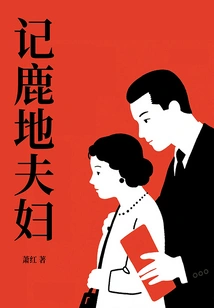
Remember the Deerland Couple
Literature记鹿地夫妇
Xiao Hong
"Remembering the Shikachi Couple" records the difficult experiences of a Japanese anti-war couple, Shikachi Wataru and Ikeda Sachiko, in Shanghai on the eve of the Anti-Japanese War. Facing the imminent outbreak of war, they, as Japanese, were in a very dangerous situation in China. The author's family knew them well and had close contact with them. In the process, they comforted and helped each other. The Shikachi duo often had to hide and move, and were even chased by the Japanese police. Despite their difficult circumstances, they still actively participated in anti-war propaganda and exposed the crimes of Japanese militarism by writing articles and diaries, showing their firm ideals and unyielding spirit. "The Thief, the Coachman and the Old Man" microscopically shows the bitterness and kindness of the people at the bottom through simple sketches of wooden poles used for burning fires; "The Tutor is a Robber" uses the horrific "black letter" incident to reflect the fragility of trust between people in a turbulent social environment; "The Theater Troupe" describes the author and his friends who repeatedly checked the manuscript due to fear of censorship while rehearsing a play, revealing the suppression of freedom of speech during the war and the extreme inner uneasiness of people at that time. Together, these stories form a true picture of the fate of individuals in troubled times, showing the struggle and fearlessness of ordinary people in the torrent of history.
"Remembering the Shikachi Couple" records the difficult experiences of a Japanese anti-war couple, Shikachi Wataru and Ikeda Sachiko, in Shanghai on the eve of the Anti-Japanese War. Facing the imminent outbreak of war, they, as Japanese, were in a very dangerous situation in China. The author's family knew them well and had close contact with them. In the process, they comforted and helped each other. The Shikachi duo often had to hide and move, and were even chased by the Japanese police. Despite their difficult circumstances, they still actively participated in anti-war propaganda and exposed the crimes of Japanese militarism by writing articles and diaries, showing their firm ideals and unyielding spirit. "The Thief, the Coachman and the Old Man" microscopically shows the bitterness and kindness of the people at the bottom through simple sketches of wooden poles used for burning fires; "The Tutor is a Robber" uses the horrific "black letter" incident to reflect the fragility of trust between people in a turbulent social environment; "The Theater Troupe" describes the author and his friends who repeatedly checked the manuscript due to fear of censorship while rehearsing a play, revealing the suppression of freedom of speech during the war and the extreme inner uneasiness of people at that time. Together, these stories form a true picture of the fate of individuals in troubled times, showing the struggle and fearlessness of ordinary people in the torrent of history.
The Story of Red Glass
Literature红玻璃的故事
Xiao Hong
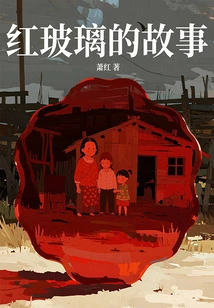
"The Story of Red Glass" tells the story of the widow Aunt Wang, who saw the similar fate of herself, her daughter and three generations of women in the red glass flower tube played by her granddaughter when she was visiting her daughter. From this, she realized the poverty, loneliness and horror of life, and her outlook on life changed. This article also includes several excellent works such as "Departure", "In the Blur" and "Red Orchard". "Departure" describes the scene of young Li Van saying goodbye to his family and friends before leaving home. From the perspective of a young mother, "In the Brink" tells the story of her husband staying away all night and she learns about her husband's cheating on her from the rumors next door. The work depicts women's confusion and helplessness in marriage, as well as their inner suffering when faced with sudden changes in life. "Red Orchard" tells the story of a male teacher who is unable to complete a love story while facing the seasonal changes in the orchard outside the window. Together, these works constitute Xiao Hong's deep meditation on the dilemma of survival and the struggle of human nature, showing the fragility and tenacity of the spiritual world of ordinary people under the torrent of the times.
"The Story of Red Glass" tells the story of the widow Aunt Wang, who saw the similar fate of herself, her daughter and three generations of women in the red glass flower tube played by her granddaughter when she was visiting her daughter. From this, she realized the poverty, loneliness and horror of life, and her outlook on life changed. This article also includes several excellent works such as "Departure", "In the Blur" and "Red Orchard". "Departure" describes the scene of young Li Van saying goodbye to his family and friends before leaving home. From the perspective of a young mother, "In the Brink" tells the story of her husband staying away all night and she learns about her husband's cheating on her from the rumors next door. The work depicts women's confusion and helplessness in marriage, as well as their inner suffering when faced with sudden changes in life. "Red Orchard" tells the story of a male teacher who is unable to complete a love story while facing the seasonal changes in the orchard outside the window. Together, these works constitute Xiao Hong's deep meditation on the dilemma of survival and the struggle of human nature, showing the fragility and tenacity of the spiritual world of ordinary people under the torrent of the times.
Gilded Doctrine
Literature镀金的学说
Xiao Hong
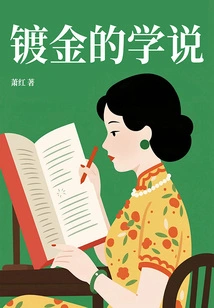
"The Gilded Doctrine" shows the plight of intellectual women in the old society through the perspective of "I". In the article, "I" regard my uncle as my only idol. He is upright and knowledgeable. He often teaches "I" to be simple, not to boast, and not to apply makeup. Under his influence, "I" developed a strong interest in knowledge and literature. However, when "I" wanted to go to school, my father used various excuses to stop me. My uncle, who was originally supportive of me, suddenly changed his attitude. Not only did he despise women's education, he even mocked female students as "ridiculous." This left me feeling disillusioned. Finally, "I" accidentally discovered that my uncle had a failed love affair, and his young lover was now gray-haired. At this time, "I" realized that my uncle's opposition to "me" pursuing knowledge was not because he really believed in those doctrines, but because he himself had succumbed to the prejudices and moral constraints of the old society. His so-called doctrine is just a layer of "gilding" to cover up the helplessness and pain deep in his heart. Under the heavy pressure of paternal authority, it was difficult for me to break through the embarrassment. This book also includes excellent works such as "Sickness", "Frost on His Upper Lip" and "Spring Again".
"The Gilded Doctrine" shows the plight of intellectual women in the old society through the perspective of "I". In the article, "I" regard my uncle as my only idol. He is upright and knowledgeable. He often teaches "I" to be simple, not to boast, and not to apply makeup. Under his influence, "I" developed a strong interest in knowledge and literature. However, when "I" wanted to go to school, my father used various excuses to stop me. My uncle, who was originally supportive of me, suddenly changed his attitude. Not only did he despise women's education, he even mocked female students as "ridiculous." This left me feeling disillusioned. Finally, "I" accidentally discovered that my uncle had a failed love affair, and his young lover was now gray-haired. At this time, "I" realized that my uncle's opposition to "me" pursuing knowledge was not because he really believed in those doctrines, but because he himself had succumbed to the prejudices and moral constraints of the old society. His so-called doctrine is just a layer of "gilding" to cover up the helplessness and pain deep in his heart. Under the heavy pressure of paternal authority, it was difficult for me to break through the embarrassment. This book also includes excellent works such as "Sickness", "Frost on His Upper Lip" and "Spring Again".
Shangshi Street Memories of Mr. Lu Xun
Literature商市街 回忆鲁迅先生
Xiao Hong
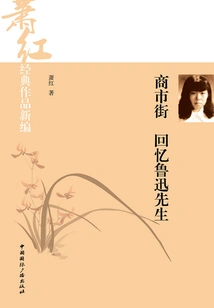
"Shangshi Street" is a collection of Xiao Hong's essays. It was completed on May 15, 1935. It is the twelfth volume of the second volume of the "Literary Series" edited by Ba Jin. It was first published by Shanghai Culture and Life Publishing House in August 1936, signed by Wu Yin. Included are 41 essays including "Hotel Europa", "Snowy Day", "He Goes to Pursue a Career", "Tutor", "Visitors", "Pawn Shop", "Advertiser's Dream", "Tutor is a Robber", "Thirteen Days", "Auction of Furniture", "The Last Week", and a postscript by Lang Hua (Xiao Jun).
"Shangshi Street" is a collection of Xiao Hong's essays. It was completed on May 15, 1935. It is the twelfth volume of the second volume of the "Literary Series" edited by Ba Jin. It was first published by Shanghai Culture and Life Publishing House in August 1936, signed by Wu Yin. Included are 41 essays including "Hotel Europa", "Snowy Day", "He Goes to Pursue a Career", "Tutor", "Visitors", "Pawn Shop", "Advertiser's Dream", "Tutor is a Robber", "Thirteen Days", "Auction of Furniture", "The Last Week", and a postscript by Lang Hua (Xiao Jun).
The Legend of Hulan River
General Fiction呼兰河传
Xiao Hong
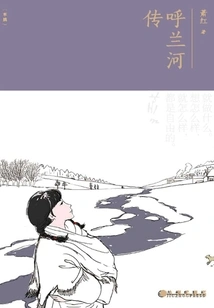
This book collects two autobiographical novels, "Hulan River Biography" and "Shangshi Street" by Xiao Hong, a master of modern Chinese literature. They mainly describe her life in rural and urban areas of Northeast China and the fate of related characters. They are rich in Northeastern customs and reflections on traditional culture. The stories told in these two works took place in the two periods of childhood and youth that had the most profound impact on her, profoundly showing the ups and downs of Xiao Hong's life and the source of her creation.
This book collects two autobiographical novels, "Hulan River Biography" and "Shangshi Street" by Xiao Hong, a master of modern Chinese literature. They mainly describe her life in rural and urban areas of Northeast China and the fate of related characters. They are rich in Northeastern customs and reflections on traditional culture. The stories told in these two works took place in the two periods of childhood and youth that had the most profound impact on her, profoundly showing the ups and downs of Xiao Hong's life and the source of her creation.
The Legend of Hulan River
General Fiction呼兰河传
Xiao Hong
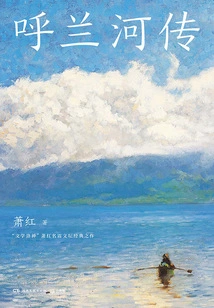
The "unparalleled work" of Xiao Hong, one of the four most talented women in the Republic of China, has influenced generations of people. Recall the "ink-stained" golden age of Luoshen literature, and feel the intertwined love and hate of hometown in Xiao Hong's works. "Grandfather's Garden", "Fire Clouds", "I Learn Poetry with Grandfather" and many other articles have been selected into Chinese textbooks. "The Story of Hulan River" is a novel written by Xiao Hong and her masterpiece. It was written in Hong Kong in 1940. Xiao Hong used her skillful recall skills, lyrical prose style, and heavy yet light writing style to create this "reminiscent" novel full of childlike innocence, poetic interest, and inspiration. Xiao Hong uses childhood memories as a guide to describe various people and events in Hulan, a small northeastern town in the 1920s and 1930s. These simple pictures of life allow readers to see the monotony and beauty of a small northern town, and the kindness and ignorance of the people.
The "unparalleled work" of Xiao Hong, one of the four most talented women in the Republic of China, has influenced generations of people. Recall the "ink-stained" golden age of Luoshen literature, and feel the intertwined love and hate of hometown in Xiao Hong's works. "Grandfather's Garden", "Fire Clouds", "I Learn Poetry with Grandfather" and many other articles have been selected into Chinese textbooks. "The Story of Hulan River" is a novel written by Xiao Hong and her masterpiece. It was written in Hong Kong in 1940. Xiao Hong used her skillful recall skills, lyrical prose style, and heavy yet light writing style to create this "reminiscent" novel full of childlike innocence, poetic interest, and inspiration. Xiao Hong uses childhood memories as a guide to describe various people and events in Hulan, a small northeastern town in the 1920s and 1930s. These simple pictures of life allow readers to see the monotony and beauty of a small northern town, and the kindness and ignorance of the people.
Xiao Hong's Novels
General Fiction萧红小说
Xiao Hong
A writer who appears very frequently in textbooks, one of the four most talented women in the Republic of China, and was deeply admired by Lu Xun as the "Luo Shen of Literature". A selection of 21 representative works of short and medium length novels are presented to present a feast of literary classics. A moving picture that shows the desolation and vitality of the black earth. Find warmth in the desolation and pick up the emotion in the vicissitudes of life. The northern people's tenacity for life and struggle for death are often seen through the back of the paper; the meticulous observation and deviant writing style of women's works add a lot of brightness and freshness. --Lu Xun.
A writer who appears very frequently in textbooks, one of the four most talented women in the Republic of China, and was deeply admired by Lu Xun as the "Luo Shen of Literature". A selection of 21 representative works of short and medium length novels are presented to present a feast of literary classics. A moving picture that shows the desolation and vitality of the black earth. Find warmth in the desolation and pick up the emotion in the vicissitudes of life. The northern people's tenacity for life and struggle for death are often seen through the back of the paper; the meticulous observation and deviant writing style of women's works add a lot of brightness and freshness. --Lu Xun.
遇见你,遇见不变的纯真
Xiao Hong
"Meet You, Meet the Unchanging Innocence" - includes some autobiographical essays and novels from Xiao Hong's works. Some works are memories of a rebellious and interesting childhood life, some are descriptions of the hungry and embarrassment life experienced in adulthood, and some are works in memory of Mr. Lu Xun and with the theme of anti-Japanese war. The plot of the book is vivid and full of strong human touch, and the language is simple, sharp and yet humorous.
"Meet You, Meet the Unchanging Innocence" - includes some autobiographical essays and novels from Xiao Hong's works. Some works are memories of a rebellious and interesting childhood life, some are descriptions of the hungry and embarrassment life experienced in adulthood, and some are works in memory of Mr. Lu Xun and with the theme of anti-Japanese war. The plot of the book is vivid and full of strong human touch, and the language is simple, sharp and yet humorous.
永久的憧憬和追求:萧红散文集
Xiao Hong
Xiao Hong's "Eternal Longing and Pursuit" Xiao Hong's prose has a strong autobiographical color, and she is known for her delicate and melancholy poetic prose. However, although she has been wandering throughout her life, she has always had longing in her heart, and her words as soft as water reveal tenacity and self-control. This collection is based on "Xiao Hong's Prose" published by Chongqing Great Times Book Company in 1940, and refers to other authoritative collections of Xiao Hong's works to select 78 representative works of the author's prose in various periods, including "Europa Hotel", "Hungry", "Black "Lieba" and White Salt", "His There are delicate and sad articles such as "Frost on the Upper Lip", "Auction of Furniture" and "Little Fish with the Same Destiny", as well as tough and self-sustained works such as "Eternal Longing and Pursuit", "When Grandfather Died", "Overseas Mourning", "Gilded Doctrine", "The Embellishment of the Sky" and "The Arsonist". By reading this book, you can fully understand the author's prose style, life thoughts, and even the style of the times.
Xiao Hong's "Eternal Longing and Pursuit" Xiao Hong's prose has a strong autobiographical color, and she is known for her delicate and melancholy poetic prose. However, although she has been wandering throughout her life, she has always had longing in her heart, and her words as soft as water reveal tenacity and self-control. This collection is based on "Xiao Hong's Prose" published by Chongqing Great Times Book Company in 1940, and refers to other authoritative collections of Xiao Hong's works to select 78 representative works of the author's prose in various periods, including "Europa Hotel", "Hungry", "Black "Lieba" and White Salt", "His There are delicate and sad articles such as "Frost on the Upper Lip", "Auction of Furniture" and "Little Fish with the Same Destiny", as well as tough and self-sustained works such as "Eternal Longing and Pursuit", "When Grandfather Died", "Overseas Mourning", "Gilded Doctrine", "The Embellishment of the Sky" and "The Arsonist". By reading this book, you can fully understand the author's prose style, life thoughts, and even the style of the times.
Complete Works of Xiao Hong's Classics
Literature萧红经典全集
Xiao Hong
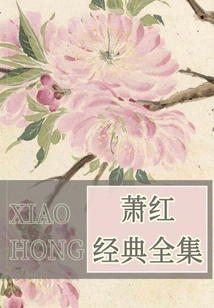
"The Complete Collection of Xiao Hong's Classics" selects Xiao Hong's representative works from different periods, divided into poems, prose, novels, etc. The selected contents are all chapters that represent his creative characteristics, are very influential, and are loved by most readers, such as "Memorable Maple Leaf", "Accidental Thoughts", "Europa Hotel", "A Letter to the Northeast Compatriots in Exile", "Biography of the Hulan River", "March in a Small Town", etc.
"The Complete Collection of Xiao Hong's Classics" selects Xiao Hong's representative works from different periods, divided into poems, prose, novels, etc. The selected contents are all chapters that represent his creative characteristics, are very influential, and are loved by most readers, such as "Memorable Maple Leaf", "Accidental Thoughts", "Europa Hotel", "A Letter to the Northeast Compatriots in Exile", "Biography of the Hulan River", "March in a Small Town", etc.
萧红文集精选:黄金时代,生死一场
Xiao Hong
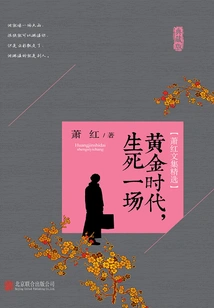
In the history of new literature, Xiao Hong is a unique female writer. In her, the creativity of a lower-class woman flourishes. Xiao Hong is essentially a poet, with a heart full of love, warmth, sensitivity and sentimentality. His writing style is full of prose culture, free, casual, frank and natural, and hates dogma. There is no such thing as "style" for her, she just loves to express freely. Almost all of her works are autobiographical and have a strong subjective flavor. Lu Xun once said that in her works, "the northern people's vividness and strength, and their struggle for death are often seen through the back of the paper; the female author's meticulous observation and deviant writing add a lot of brightness and freshness." "Xiao Hong's Prose: Eternal Longing and Pursuit" specially includes some letters and two independent chapters from the novel to show the prose style of Xiao Hong's overall works. Whether fiction or documentary, the underlying theme is: love and freedom.
In the history of new literature, Xiao Hong is a unique female writer. In her, the creativity of a lower-class woman flourishes. Xiao Hong is essentially a poet, with a heart full of love, warmth, sensitivity and sentimentality. His writing style is full of prose culture, free, casual, frank and natural, and hates dogma. There is no such thing as "style" for her, she just loves to express freely. Almost all of her works are autobiographical and have a strong subjective flavor. Lu Xun once said that in her works, "the northern people's vividness and strength, and their struggle for death are often seen through the back of the paper; the female author's meticulous observation and deviant writing add a lot of brightness and freshness." "Xiao Hong's Prose: Eternal Longing and Pursuit" specially includes some letters and two independent chapters from the novel to show the prose style of Xiao Hong's overall works. Whether fiction or documentary, the underlying theme is: love and freedom.
呼兰河传(1940年初刊还原版)
Xiao Hong
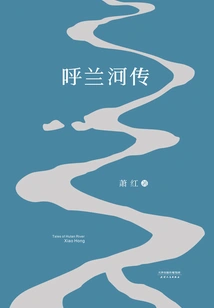
This book contains Xiao Hong's most important masterpiece "The Story of Hulan River" and two short stories "Back Garden" and "March in the Small Town". On the banks of the Hulan River lies Xiao Hong's purest childhood happiness and the grandest and most desolate perception of life. After many years of wandering, she looked back on her childhood at the end of her life and wrote "The Story of Hulan River", a "memory" novel full of childlike innocence, poetry and inspiration. Life in the small town of Hulan River may be a bit dull, but Xiao Hong uses painterly language to "present bold, red and green primitive colors in front of the gray background of daily life", outlining scenes full of childlike images. The short story "Back Garden" is the most exquisite among all Xiao Hong's works. Along with the bustle of flowers and plants in the garden, he casually talked about the lonely farmhand Feng Erchengzi and his gloomy and dull life. Xiao Hong blends her deep sense of historical tragedy into her light narrative.
This book contains Xiao Hong's most important masterpiece "The Story of Hulan River" and two short stories "Back Garden" and "March in the Small Town". On the banks of the Hulan River lies Xiao Hong's purest childhood happiness and the grandest and most desolate perception of life. After many years of wandering, she looked back on her childhood at the end of her life and wrote "The Story of Hulan River", a "memory" novel full of childlike innocence, poetry and inspiration. Life in the small town of Hulan River may be a bit dull, but Xiao Hong uses painterly language to "present bold, red and green primitive colors in front of the gray background of daily life", outlining scenes full of childlike images. The short story "Back Garden" is the most exquisite among all Xiao Hong's works. Along with the bustle of flowers and plants in the garden, he casually talked about the lonely farmhand Feng Erchengzi and his gloomy and dull life. Xiao Hong blends her deep sense of historical tragedy into her light narrative.
Field of Life and Death
General Fiction生死场
Xiao Hong
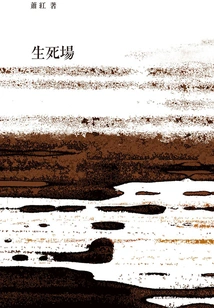
By describing people's production, reproduction and human relations in a northeastern village, this book writes about the humility, poverty, disease and death of life; the weakness, ignorance and resistance of human nature. It provides a thorough and profound explanation of the ancient issue of human nature and human survival. In terms of literary expression, the novel is similar to a movie literary script, emphasizing scenes and details. The whole novel is full of images, symbols and mutual metaphors. It is a poetic tragic work.
By describing people's production, reproduction and human relations in a northeastern village, this book writes about the humility, poverty, disease and death of life; the weakness, ignorance and resistance of human nature. It provides a thorough and profound explanation of the ancient issue of human nature and human survival. In terms of literary expression, the novel is similar to a movie literary script, emphasizing scenes and details. The whole novel is full of images, symbols and mutual metaphors. It is a poetic tragic work.
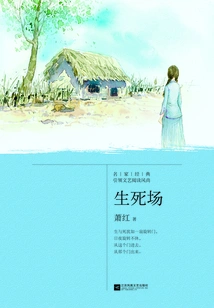
Field of Life and Death (2018 Edition)
General Fiction生死场(2018版)
Xiao Hong
"The Field of Life and Death" is set in the countryside near Harbin, describing the lives and anti-Japanese stories of peasants such as Zhao San and Erliban before and after the September 18th Incident: Jin Zhi became pregnant out of wedlock, Zhao San resisted the landlord's rent increase but mistakenly beat up a thief, and Wang Po committed suicide by taking poison because her son was dead... Xiao Hong keenly and vividly grasped the confused reproduction of northern farmers at that time, and the blind life of facing death.
"The Field of Life and Death" is set in the countryside near Harbin, describing the lives and anti-Japanese stories of peasants such as Zhao San and Erliban before and after the September 18th Incident: Jin Zhi became pregnant out of wedlock, Zhao San resisted the landlord's rent increase but mistakenly beat up a thief, and Wang Po committed suicide by taking poison because her son was dead... Xiao Hong keenly and vividly grasped the confused reproduction of northern farmers at that time, and the blind life of facing death.