Library
Browse and search books
2 novels found
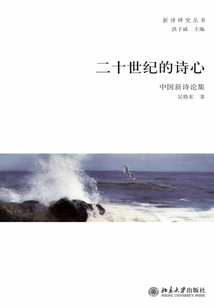
二十世纪的诗心:中国新诗论集
Wu Xiaodong
The author of "The Poetic Heart of the 20th Century: An Anthology of Chinese New Poetry" understands the study of poetry as the exploration of "literariness", the nostalgia for the poet's spirit, and the understanding of the "poetic heart" of thousands of years. In the careful reading of the masterpieces of poetic art and the in-depth analysis of the poet's spiritual world, he strives to capture and convey the inner poetic nature, and attempts to show the poetic trajectory and spiritual profile of the century-old course of Chinese new poetry.
The author of "The Poetic Heart of the 20th Century: An Anthology of Chinese New Poetry" understands the study of poetry as the exploration of "literariness", the nostalgia for the poet's spirit, and the understanding of the "poetic heart" of thousands of years. In the careful reading of the masterpieces of poetic art and the in-depth analysis of the poet's spiritual world, he strives to capture and convey the inner poetic nature, and attempts to show the poetic trajectory and spiritual profile of the century-old course of Chinese new poetry.
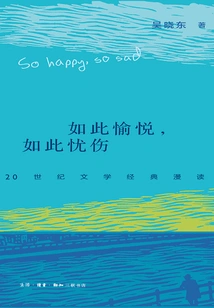
如此愉悦,如此忧伤:20世纪文学经典漫读
Wu Xiaodong
In any era, novels are a metaphor for the relationship between self and the world. If you want to understand the living world of mankind in the 20th century and understand the spiritual condition of mankind in the 20th century, reading the modernist literary classics of the 20th century is the most feasible way. From Kafka, we can understand the profound and secret thoughts of the prophet, the lonely foresight and allegorical communication; from the young Camus, we can feel what the passionate way is and learn what rebellion is; from Kundera, we can understand the endless pursuit of human living conditions and existence itself; At the same time, from the perspective of Chinese literature, the despair of the "madman", the local memory of Fei Ming, Zhang Ailing's perceptual world, and Bei Dao's spiritual journey once again lead us to perceive those dreams, sensibility, rebellion, loss and suffering. So joyful, so sad.
In any era, novels are a metaphor for the relationship between self and the world. If you want to understand the living world of mankind in the 20th century and understand the spiritual condition of mankind in the 20th century, reading the modernist literary classics of the 20th century is the most feasible way. From Kafka, we can understand the profound and secret thoughts of the prophet, the lonely foresight and allegorical communication; from the young Camus, we can feel what the passionate way is and learn what rebellion is; from Kundera, we can understand the endless pursuit of human living conditions and existence itself; At the same time, from the perspective of Chinese literature, the despair of the "madman", the local memory of Fei Ming, Zhang Ailing's perceptual world, and Bei Dao's spiritual journey once again lead us to perceive those dreams, sensibility, rebellion, loss and suffering. So joyful, so sad.