Library
Browse and search books
1 novel found
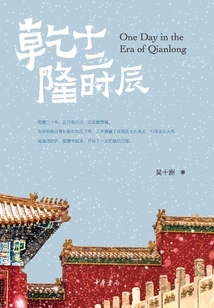
Qianlong Twelve O'clock
History乾隆十二时辰
Wu Shizhou
Emperor Qianlong ascended the throne at the age of 25 and reigned for 60 years. The thirtieth year of Qianlong was a period of stability and peace in the prosperous ages of Kangxi and Qianlong. This year, Emperor Qianlong was 55 years old, and his political life was at its peak. As the emperor who unified China, his ideal was to maintain the national tradition of Mandarin horsemanship and archery, and at the same time he hoped that people would regard him as the benevolent Manjushri Bodhisattva and the perfect representative of the ruler of the orthodox Confucian culture. On the eighth day of the first lunar month of the 30th year of Qianlong's reign, the capital. Rich and complex political scenes play out on this day. The Qing court sacrifices in the Forbidden City, the tea banquet poems between emperors and ministers, the folk star worship ceremony, and the Taoist temple fairs all together reflect a prosperous age where multiple cultures coexisted. How should historians dismantle the multiple aspects of Emperor Qianlong from the Twelve Hours of Emperor Qianlong? In this prosperous age, what are the hidden worries? You might as well read this book with questions.
Emperor Qianlong ascended the throne at the age of 25 and reigned for 60 years. The thirtieth year of Qianlong was a period of stability and peace in the prosperous ages of Kangxi and Qianlong. This year, Emperor Qianlong was 55 years old, and his political life was at its peak. As the emperor who unified China, his ideal was to maintain the national tradition of Mandarin horsemanship and archery, and at the same time he hoped that people would regard him as the benevolent Manjushri Bodhisattva and the perfect representative of the ruler of the orthodox Confucian culture. On the eighth day of the first lunar month of the 30th year of Qianlong's reign, the capital. Rich and complex political scenes play out on this day. The Qing court sacrifices in the Forbidden City, the tea banquet poems between emperors and ministers, the folk star worship ceremony, and the Taoist temple fairs all together reflect a prosperous age where multiple cultures coexisted. How should historians dismantle the multiple aspects of Emperor Qianlong from the Twelve Hours of Emperor Qianlong? In this prosperous age, what are the hidden worries? You might as well read this book with questions.