Library
Browse and search books
5 novels found
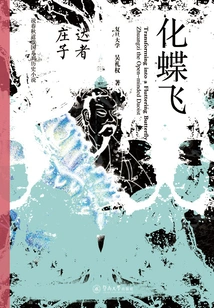
Turning into a Butterfly and Flying: the Master Zhuangzi
General Fiction化蝶飞:达者庄子
Wu Liquan
"Flying Butterflies: The Master Zhuangzi" is a full-length historical novel. The novel is based on the life of Zhuang Zhou (i. E. Zhuang Zi) recorded in the "Historical Records: Biography of Lao Zhuang, Shen Han" by Sima Qian of Han Dynasty and the book "Zhuang Zi" written by Zhuang Zhou and his disciples. It relies on the major historical events of the Warring States Period and the activities of representatives of various schools of thought. It vividly presents the image of Zhuang Zhou, a representative figure of Taoism in the Warring States Period, against a broad historical background. The novel takes Zhuang Zhou's several travel activities as the main line and focuses on Zhuang Zhou's daily life. Through the countless life difficulties Zhuang Zhou encountered throughout his life and the theoretical dialogue between Zhuang Zhou and his disciples, it vividly presents Zhuang Zhou's philosophical thoughts in the evolution of the vivid storyline, expresses Zhuang Zhou's joys, sorrows, and joys, and reveals the reasons for the formation of Zhuang Zhou's philosophical thoughts. Thus, Zhuang Zhou, a Taoist representative figure who has been ambiguous and mysterious in his thoughts for thousands of years, is presented in a literary image for the first time. The novel makes creative efforts in the balance between history and literature. The Zhuang Zhou in the novel is both the Zhuang Zhou of history and the Zhuang Zhou of literature; He is a unique literary image and a living mortal. The novel has nearly 600,000 words and is divided into seven chapters, namely: Chapter 1 "In the World", Chapter 2 "Excluding Confucianism and Mohism", Chapter 3 "Ying the Emperor", Chapter 4 "The Great Way of the Body", Chapter 5 "Qiu Ten Thousand Things", Chapter 6 "Let Nature Be", and Chapter 7 "Happy Wandering". Each chapter has five sections, each centered on a story. As the plot progresses, the narrative contents of the five sections are integrated into one, thus naturally presenting one of Zhuangzi's main ideas and highlighting his characters.
"Flying Butterflies: The Master Zhuangzi" is a full-length historical novel. The novel is based on the life of Zhuang Zhou (i. E. Zhuang Zi) recorded in the "Historical Records: Biography of Lao Zhuang, Shen Han" by Sima Qian of Han Dynasty and the book "Zhuang Zi" written by Zhuang Zhou and his disciples. It relies on the major historical events of the Warring States Period and the activities of representatives of various schools of thought. It vividly presents the image of Zhuang Zhou, a representative figure of Taoism in the Warring States Period, against a broad historical background. The novel takes Zhuang Zhou's several travel activities as the main line and focuses on Zhuang Zhou's daily life. Through the countless life difficulties Zhuang Zhou encountered throughout his life and the theoretical dialogue between Zhuang Zhou and his disciples, it vividly presents Zhuang Zhou's philosophical thoughts in the evolution of the vivid storyline, expresses Zhuang Zhou's joys, sorrows, and joys, and reveals the reasons for the formation of Zhuang Zhou's philosophical thoughts. Thus, Zhuang Zhou, a Taoist representative figure who has been ambiguous and mysterious in his thoughts for thousands of years, is presented in a literary image for the first time. The novel makes creative efforts in the balance between history and literature. The Zhuang Zhou in the novel is both the Zhuang Zhou of history and the Zhuang Zhou of literature; He is a unique literary image and a living mortal. The novel has nearly 600,000 words and is divided into seven chapters, namely: Chapter 1 "In the World", Chapter 2 "Excluding Confucianism and Mohism", Chapter 3 "Ying the Emperor", Chapter 4 "The Great Way of the Body", Chapter 5 "Qiu Ten Thousand Things", Chapter 6 "Let Nature Be", and Chapter 7 "Happy Wandering". Each chapter has five sections, each centered on a story. As the plot progresses, the narrative contents of the five sections are integrated into one, thus naturally presenting one of Zhuangzi's main ideas and highlighting his characters.
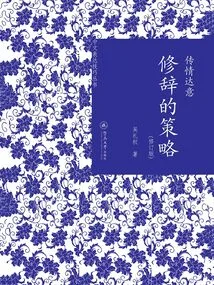
传情达意:修辞的策略(修订版)
Wu Liquan
The contents of this book include: graceful and implicit rhetorical strategies, exciting rhetorical strategies, new and clever rhetorical strategies, neatly-formed rhetorical strategies, and humorous and humorous rhetorical strategies.
The contents of this book include: graceful and implicit rhetorical strategies, exciting rhetorical strategies, new and clever rhetorical strategies, neatly-formed rhetorical strategies, and humorous and humorous rhetorical strategies.
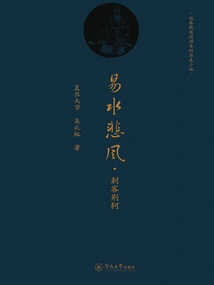
Yishui Beifeng: the Assassin Jing Ke (a Series of Historical Novels About the Spring and Autumn Period and the Warring States Period)
General Fiction易水悲风:刺客荆轲(说春秋道战国系列历史小说)
Wu Liquan
This book organically integrates the "dialogue narrative" technique of modern novels with the techniques of traditional Chinese novels. It not only vividly reproduces the magnificent history of the Warring States Period, but also realistically creates a vivid image of Jing Ke, a generation of assassins.
This book organically integrates the "dialogue narrative" technique of modern novels with the techniques of traditional Chinese novels. It not only vividly reproduces the magnificent history of the Warring States Period, but also realistically creates a vivid image of Jing Ke, a generation of assassins.
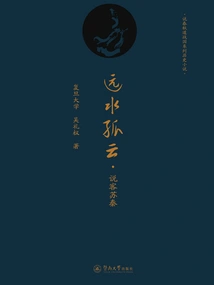
Far Water and Guyun: Lobbyist Su Qin (a Series of Historical Novels About the Spring and Autumn Period and the Warring States Period)
General Fiction远水孤云:说客苏秦(说春秋道战国系列历史小说)
Wu Liquan
This book contains a total of eighteen chapters, a literary reconstruction based on historical records, and reproduces the vivid image of Su Qin, a lobbyist who served as prime minister of the Six Kingdoms during the Warring States Period.
This book contains a total of eighteen chapters, a literary reconstruction based on historical records, and reproduces the vivid image of Su Qin, a lobbyist who served as prime minister of the Six Kingdoms during the Warring States Period.
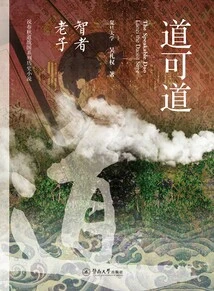
Dao Can Dao
General Fiction道可道
Wu Liquan
This book is one of the "series of historical novels about the Spring and Autumn Period and the Warring States Period" written by Professor Wu Liquan of Fudan University. With a profound foundation in literature and history, the author uses the way of life dialogue between Lao Dan and his disciples to live in seclusion and practice or go out to roam, to more completely explain Laozi's "speculative philosophy" of abandoning wisdom, wandering in nothingness, being pure, letting nature take its course, and doing nothing without doing anything, and clearly creates the image of Lao Dan, a wise man who has simple views and wanders in the great "Tao". At the same time, it connects Confucius, Zhou Gong and other Spring and Autumn figures and their allusions that are familiar to readers, with hundreds of thousands of words, creating a Chinese-style "One Thousand and One Nights". On the surface, this book is a novel about pre-Qin historical figures. In essence, it is an excellent book that promotes traditional Chinese culture and comprehensively displays the essence of various schools of thought.
This book is one of the "series of historical novels about the Spring and Autumn Period and the Warring States Period" written by Professor Wu Liquan of Fudan University. With a profound foundation in literature and history, the author uses the way of life dialogue between Lao Dan and his disciples to live in seclusion and practice or go out to roam, to more completely explain Laozi's "speculative philosophy" of abandoning wisdom, wandering in nothingness, being pure, letting nature take its course, and doing nothing without doing anything, and clearly creates the image of Lao Dan, a wise man who has simple views and wanders in the great "Tao". At the same time, it connects Confucius, Zhou Gong and other Spring and Autumn figures and their allusions that are familiar to readers, with hundreds of thousands of words, creating a Chinese-style "One Thousand and One Nights". On the surface, this book is a novel about pre-Qin historical figures. In essence, it is an excellent book that promotes traditional Chinese culture and comprehensively displays the essence of various schools of thought.