Library
Browse and search books
10 novels found
Tomorrow (Illustration by Feng Zikai)
General Fiction明天(丰子恺插图)
Written By Lu Xun And Illustrated By Feng Zikai
"Tomorrow" is a short story written by Lu Xun. The novel unfolds over two days and three nights. It takes the widow Shan Si's sister-in-law in Lu Town and loses her only son as the main line, revealing the dark social reality of old China and people's indifference and numbness. The illustrations in the novel were drawn by Feng Zikai. Lu Xun's words and Feng Zikai's illustrations complement each other and more vividly present the rich characters and storylines written by Lu Xun, providing a special version for current readers to better understand Lu Xun.
"Tomorrow" is a short story written by Lu Xun. The novel unfolds over two days and three nights. It takes the widow Shan Si's sister-in-law in Lu Town and loses her only son as the main line, revealing the dark social reality of old China and people's indifference and numbness. The illustrations in the novel were drawn by Feng Zikai. Lu Xun's words and Feng Zikai's illustrations complement each other and more vividly present the rich characters and storylines written by Lu Xun, providing a special version for current readers to better understand Lu Xun.
Storm (illustration by Feng Zikai)
General Fiction风波(丰子恺插图)
Written By Lu Xun And Illustrated By Feng Zikai
"The Storm" is a short story written by Lu Xun. By describing a turmoil caused by braids in a water town in the south of the Yangtze River, the novel reflects the incompleteness of the Revolution of 1911 and reveals that the feudal monarchy was still ruling the countryside at that time, and the peasants were ignorant and backward, lacking democracy and free thought. The illustrations in the novel were drawn by Feng Zikai. Lu Xun's words and Feng Zikai's illustrations complement each other and more vividly present the rich characters and storylines written by Lu Xun, providing a special version for current readers to better understand Lu Xun.
"The Storm" is a short story written by Lu Xun. By describing a turmoil caused by braids in a water town in the south of the Yangtze River, the novel reflects the incompleteness of the Revolution of 1911 and reveals that the feudal monarchy was still ruling the countryside at that time, and the peasants were ignorant and backward, lacking democracy and free thought. The illustrations in the novel were drawn by Feng Zikai. Lu Xun's words and Feng Zikai's illustrations complement each other and more vividly present the rich characters and storylines written by Lu Xun, providing a special version for current readers to better understand Lu Xun.
The True Story of Ah Q (illustrated by Feng Zikai)
General Fiction阿Q正传(丰子恺插图)
Written By Lu Xun And Illustrated By Feng Zikai
"The True Story of Ah Q" is the masterpiece of Lu Xun's novels and a famous work in the history of Chinese literature. The novel is set in the Chinese countryside before and after the Revolution of 1911. It tells the story of Ah Q, a wandering farmhand in Weichuang, who, although he is "really capable" of work, has nothing, and even his name has been forgotten. The novel profoundly expresses the inferiority, conservativeness, xenophobia, resignation, and arrogance of the Chinese people formed under the suffocation of feudal culture. Through Ah Q's "Spiritual Victory Method", it vividly portrays the numbness, ignorance, and self-deception of backward peasants. The illustrations in the novel were drawn by Feng Zikai. Lu Xun's words and Feng Zikai's illustrations complement each other and more vividly present the rich characters and storylines written by Lu Xun, providing a special version for current readers to better understand Lu Xun.
"The True Story of Ah Q" is the masterpiece of Lu Xun's novels and a famous work in the history of Chinese literature. The novel is set in the Chinese countryside before and after the Revolution of 1911. It tells the story of Ah Q, a wandering farmhand in Weichuang, who, although he is "really capable" of work, has nothing, and even his name has been forgotten. The novel profoundly expresses the inferiority, conservativeness, xenophobia, resignation, and arrogance of the Chinese people formed under the suffocation of feudal culture. Through Ah Q's "Spiritual Victory Method", it vividly portrays the numbness, ignorance, and self-deception of backward peasants. The illustrations in the novel were drawn by Feng Zikai. Lu Xun's words and Feng Zikai's illustrations complement each other and more vividly present the rich characters and storylines written by Lu Xun, providing a special version for current readers to better understand Lu Xun.
Hometown (illustration by Feng Zikai)
General Fiction故乡(丰子恺插图)
Written By Lu Xun And Illustrated By Feng Zikai
"Hometown" is a short story written by Lu Xun. The novel is based on what "I" saw, heard, remembered and felt when he returned to his hometown. It focuses on the characters of Runtu and Yang Ersao, thus reflecting the reality of rural bankruptcy and the painful life of farmers before and after the Revolution of 1911. It also expresses the author's strong dissatisfaction with reality and his strong desire to transform the old society and create a new life. The illustrations in the novel were drawn by Feng Zikai. Lu Xun's words and Feng Zikai's illustrations complement each other and more vividly present the rich characters and storylines written by Lu Xun, providing a special version for current readers to better understand Lu Xun.
"Hometown" is a short story written by Lu Xun. The novel is based on what "I" saw, heard, remembered and felt when he returned to his hometown. It focuses on the characters of Runtu and Yang Ersao, thus reflecting the reality of rural bankruptcy and the painful life of farmers before and after the Revolution of 1911. It also expresses the author's strong dissatisfaction with reality and his strong desire to transform the old society and create a new life. The illustrations in the novel were drawn by Feng Zikai. Lu Xun's words and Feng Zikai's illustrations complement each other and more vividly present the rich characters and storylines written by Lu Xun, providing a special version for current readers to better understand Lu Xun.
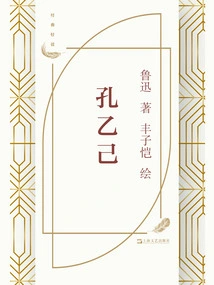
Kong Yiji (illustrated by Feng Zikai)
General Fiction孔乙己(丰子恺插图)
Written By Lu Xun And Illustrated By Feng Zikai
"Kong Yiji" is a short story written by Lu Xun. The novel describes the tragic image of Kong Yiji, who was poisoned by the decadent feudal ideology and the imperial examination system. He was mentally pedantic and insensitive, inactive and impoverished in life. He spent his days in people's ridicule and banter, and was finally swallowed up by the feudal landlord class. The illustrations in the novel were drawn by Feng Zikai. Lu Xun's words and Feng Zikai's illustrations complement each other and more vividly present the rich characters and storylines written by Lu Xun, providing a special version for current readers to better understand Lu Xun.
"Kong Yiji" is a short story written by Lu Xun. The novel describes the tragic image of Kong Yiji, who was poisoned by the decadent feudal ideology and the imperial examination system. He was mentally pedantic and insensitive, inactive and impoverished in life. He spent his days in people's ridicule and banter, and was finally swallowed up by the feudal landlord class. The illustrations in the novel were drawn by Feng Zikai. Lu Xun's words and Feng Zikai's illustrations complement each other and more vividly present the rich characters and storylines written by Lu Xun, providing a special version for current readers to better understand Lu Xun.
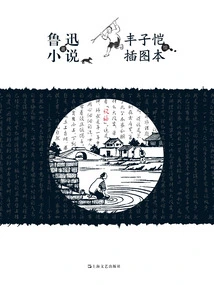
Illustrated Edition of Lu Xun's Novel Feng Zikai
General Fiction鲁迅小说丰子恺插图本
Written By Lu Xun And Illustrated By Feng Zikai
Feng Zikai has drawn a total of 194 illustrations for 9 classic novels by Lu Xun (including The True Story of Ah Q, Blessing, Kong Yiji, Hometown, Tomorrow, Medicine, Storm, Social Opera, and White Light). This book catalogs Lu Xun's text and Feng Zikai's illustrations. The combination of writing and painting complements each other, and more vividly presents the rich characters and storylines written by Lu Xun. It is hoped that "a microphone will be installed on Mr. Lu Xun's speech to amplify his voice." This book provides a special version for current readers to better understand Lu Xun.
Feng Zikai has drawn a total of 194 illustrations for 9 classic novels by Lu Xun (including The True Story of Ah Q, Blessing, Kong Yiji, Hometown, Tomorrow, Medicine, Storm, Social Opera, and White Light). This book catalogs Lu Xun's text and Feng Zikai's illustrations. The combination of writing and painting complements each other, and more vividly presents the rich characters and storylines written by Lu Xun. It is hoped that "a microphone will be installed on Mr. Lu Xun's speech to amplify his voice." This book provides a special version for current readers to better understand Lu Xun.
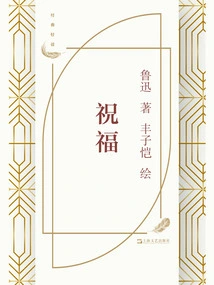
Blessings (illustration by Feng Zikai)
General Fiction祝福(丰子恺插图)
Written By Lu Xun And Illustrated By Feng Zikai
"Blessing" is a short story written by Lu Xun. It tells the story of "I", an intellectual who left his hometown. After returning to his hometown at the end of the lunar calendar, he stayed at the house of his fourth uncle (Master Lu Si) to prepare a "blessing". He witnessed the tragedy of the death of the fourth uncle's former maid, Xiang Lin, who died of illness. By describing Xianglin's tragic life, the novel shows the author's sympathy for oppressed women and his ruthless exposure of feudal thoughts and ethics. The illustrations in the novel were drawn by Feng Zikai. Lu Xun's words and Feng Zikai's illustrations complement each other and more vividly present the rich characters and storylines written by Lu Xun, providing a special version for current readers to better understand Lu Xun.
"Blessing" is a short story written by Lu Xun. It tells the story of "I", an intellectual who left his hometown. After returning to his hometown at the end of the lunar calendar, he stayed at the house of his fourth uncle (Master Lu Si) to prepare a "blessing". He witnessed the tragedy of the death of the fourth uncle's former maid, Xiang Lin, who died of illness. By describing Xianglin's tragic life, the novel shows the author's sympathy for oppressed women and his ruthless exposure of feudal thoughts and ethics. The illustrations in the novel were drawn by Feng Zikai. Lu Xun's words and Feng Zikai's illustrations complement each other and more vividly present the rich characters and storylines written by Lu Xun, providing a special version for current readers to better understand Lu Xun.
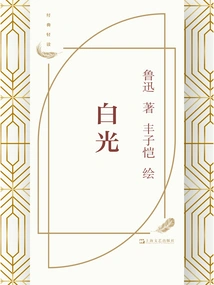
White Light (illustration by Feng Zikai)
General Fiction白光(丰子恺插图)
Written By Lu Xun And Illustrated By Feng Zikai
"White Light" is a short story written by Lu Xun. It tells the story of Chen Shicheng, a scholar who repeatedly failed in the imperial examination. He listened to the rumors from his ancestors, was inspired by the white light to dig for silver in the yard but failed, became mentally psychedelic, and went to the mountains to hunt for treasures but fell into a lake and died. The illustrations in the novel were drawn by Feng Zikai. Lu Xun's words and Feng Zikai's illustrations complement each other and more vividly present the rich characters and storylines written by Lu Xun, providing a special version for current readers to better understand Lu Xun.
"White Light" is a short story written by Lu Xun. It tells the story of Chen Shicheng, a scholar who repeatedly failed in the imperial examination. He listened to the rumors from his ancestors, was inspired by the white light to dig for silver in the yard but failed, became mentally psychedelic, and went to the mountains to hunt for treasures but fell into a lake and died. The illustrations in the novel were drawn by Feng Zikai. Lu Xun's words and Feng Zikai's illustrations complement each other and more vividly present the rich characters and storylines written by Lu Xun, providing a special version for current readers to better understand Lu Xun.
Social Opera (illustrated by Feng Zikai)
General Fiction社戏(丰子恺插图)
Written By Lu Xun And Illustrated By Feng Zikai
"She Opera" is a short story written by Lu Xun. The novel is based on the author's life experience as a boy, using the first person to write about "I"'s three experiences of watching operas in the past 20 years: twice watching Peking opera in Beijing after the Revolution of 1911, and once watching a social opera in rural Shaoxing, Zhejiang when he was a boy. The author uses affectionate pen and ink to depict the image of a group of young farm friends, showing the working people's good moral character of simplicity, kindness, friendship and selflessness, and expressing the author's nostalgia for his boyhood life, especially his sincere friendship with his farm friends. The illustrations in the novel were drawn by Feng Zikai. Lu Xun's words and Feng Zikai's illustrations complement each other and more vividly present the rich characters and storylines written by Lu Xun, providing a special version for current readers to better understand Lu Xun.
"She Opera" is a short story written by Lu Xun. The novel is based on the author's life experience as a boy, using the first person to write about "I"'s three experiences of watching operas in the past 20 years: twice watching Peking opera in Beijing after the Revolution of 1911, and once watching a social opera in rural Shaoxing, Zhejiang when he was a boy. The author uses affectionate pen and ink to depict the image of a group of young farm friends, showing the working people's good moral character of simplicity, kindness, friendship and selflessness, and expressing the author's nostalgia for his boyhood life, especially his sincere friendship with his farm friends. The illustrations in the novel were drawn by Feng Zikai. Lu Xun's words and Feng Zikai's illustrations complement each other and more vividly present the rich characters and storylines written by Lu Xun, providing a special version for current readers to better understand Lu Xun.
Medicine (illustration by Feng Zikai)
General Fiction药(丰子恺插图)
Written By Lu Xun And Illustrated By Feng Zikai
"Medicine" is a short story written by Lu Xun. Through the story of the teahouse owner Hua Laoshuan and his wife buying human blood steamed buns for their son Xiaoshuan to treat his illness, it reveals the numbness and ignorance caused by long-term feudal rule on the people, secretly praises the heroic and unyielding spirit of the revolutionary Xia Yu, and points out the limitations of the Revolution of 1911 that failed to close to the masses. The illustrations in the novel were drawn by Feng Zikai. Lu Xun's words and Feng Zikai's illustrations complement each other and more vividly present the rich characters and storylines written by Lu Xun, providing a special version for current readers to better understand Lu Xun.
"Medicine" is a short story written by Lu Xun. Through the story of the teahouse owner Hua Laoshuan and his wife buying human blood steamed buns for their son Xiaoshuan to treat his illness, it reveals the numbness and ignorance caused by long-term feudal rule on the people, secretly praises the heroic and unyielding spirit of the revolutionary Xia Yu, and points out the limitations of the Revolution of 1911 that failed to close to the masses. The illustrations in the novel were drawn by Feng Zikai. Lu Xun's words and Feng Zikai's illustrations complement each other and more vividly present the rich characters and storylines written by Lu Xun, providing a special version for current readers to better understand Lu Xun.