Library
Browse and search novels
2 novels found
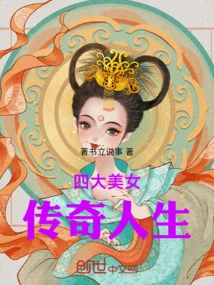
四大美女传奇人生
Writing Books And Telling Stories
The four beauties in ancient China refer to Xi Shi, Wang Zhaojun, Diao Chan and Yang Yuhuan. They are famous for their outstanding beauty and legendary stories. They enjoy the reputation of "the appearance of a fish that sinks into the wild goose, and the appearance of a flower that is ashamed of the moon". These four beauties are not only famous for their beauty, but also remembered by future generations for their important status and outstanding contributions in history. Their stories have been widely told and have become classic symbols in Chinese culture.
The four beauties in ancient China refer to Xi Shi, Wang Zhaojun, Diao Chan and Yang Yuhuan. They are famous for their outstanding beauty and legendary stories. They enjoy the reputation of "the appearance of a fish that sinks into the wild goose, and the appearance of a flower that is ashamed of the moon". These four beauties are not only famous for their beauty, but also remembered by future generations for their important status and outstanding contributions in history. Their stories have been widely told and have become classic symbols in Chinese culture.

From Monk to Emperor
History从和尚到皇帝
Writing Books And Telling Stories
Zhu Yuanzhang (October 21, 1328 - June 24, 1398), formerly known as Zhu Chongba, also named Guorui, was born in Zhongli, Haozhou (now Fengyang, Anhui), and was the founding emperor of the Ming Dynasty. The temple name is Taizu, and the posthumous title is "The Emperor who opened the heavens and established the law, established the great sage, the most divine benevolence, justice, martial arts, virtue, success and high emperor". Buried in Xiaoling Mausoleum of Ming Dynasty. Zhu Yuanzhang was born into a poor peasant family. He later entered Huangjue Temple as a monk due to the disaster. When he was 25 years old (1352), he joined the Red Scarf Army to resist the Mongolian Yuan regime. He defeated many princes and warlords, unified the south, and then defeated the Yuan Dynasty in the northern expedition and established the Ming Dynasty, with the reign name Hongwu. During the reign of Zhu Yuanzhang, social production gradually recovered and developed, which is known as the "Hongwu Rule" in history. In 1398 (the thirty-first year of Hongwu), Zhu Yuanzhang died of illness at the age of 71.
Zhu Yuanzhang (October 21, 1328 - June 24, 1398), formerly known as Zhu Chongba, also named Guorui, was born in Zhongli, Haozhou (now Fengyang, Anhui), and was the founding emperor of the Ming Dynasty. The temple name is Taizu, and the posthumous title is "The Emperor who opened the heavens and established the law, established the great sage, the most divine benevolence, justice, martial arts, virtue, success and high emperor". Buried in Xiaoling Mausoleum of Ming Dynasty. Zhu Yuanzhang was born into a poor peasant family. He later entered Huangjue Temple as a monk due to the disaster. When he was 25 years old (1352), he joined the Red Scarf Army to resist the Mongolian Yuan regime. He defeated many princes and warlords, unified the south, and then defeated the Yuan Dynasty in the northern expedition and established the Ming Dynasty, with the reign name Hongwu. During the reign of Zhu Yuanzhang, social production gradually recovered and developed, which is known as the "Hongwu Rule" in history. In 1398 (the thirty-first year of Hongwu), Zhu Yuanzhang died of illness at the age of 71.