Library
Browse and search books
2 novels found
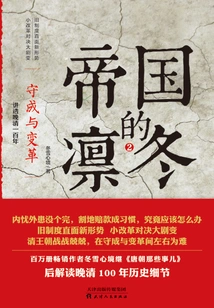
Winter of Empire 2: Preservation and Change
General Fiction帝国的凛冬2:守成与变革
Winter Snow Mood
In 1861, before Emperor Xianfeng's body was still cold, Ci'an and Cixi joined forces to beat up the Eight Great Gu Mings. One person in the government turned into two palaces with curtains, and Qixiang's coup shocked China. In 1862, holding the banner of "Chinese learning as the body and Western learning as the application", the Westernization Movement was in full swing in China. In 1864, Zeng Guofan conquered Nanjing, and the Taiping Rebellion that lasted for 13 years finally came to an end. In 1894, Asia's No. 1 Beiyang Navy suffered a disastrous defeat at the hands of the Japanese fleet. The Sino-Japanese War of Sino-Japanese War became the biggest pain point for the Chinese people. In the past forty years, from 1861 to 1898, the Qing Dynasty suffered from internal and external troubles, and it became a habit to cede territory and pay compensation. What should we do? To maintain the status quo is to wait for death, but to change may be to seek death. As a result, the aggrieved rulers of the Qing Dynasty finally embarked on the road to self-improvement with trepidation. The second part of the "Winter of Empire" series takes you back to that era of change where blood and fire were blended.
In 1861, before Emperor Xianfeng's body was still cold, Ci'an and Cixi joined forces to beat up the Eight Great Gu Mings. One person in the government turned into two palaces with curtains, and Qixiang's coup shocked China. In 1862, holding the banner of "Chinese learning as the body and Western learning as the application", the Westernization Movement was in full swing in China. In 1864, Zeng Guofan conquered Nanjing, and the Taiping Rebellion that lasted for 13 years finally came to an end. In 1894, Asia's No. 1 Beiyang Navy suffered a disastrous defeat at the hands of the Japanese fleet. The Sino-Japanese War of Sino-Japanese War became the biggest pain point for the Chinese people. In the past forty years, from 1861 to 1898, the Qing Dynasty suffered from internal and external troubles, and it became a habit to cede territory and pay compensation. What should we do? To maintain the status quo is to wait for death, but to change may be to seek death. As a result, the aggrieved rulers of the Qing Dynasty finally embarked on the road to self-improvement with trepidation. The second part of the "Winter of Empire" series takes you back to that era of change where blood and fire were blended.
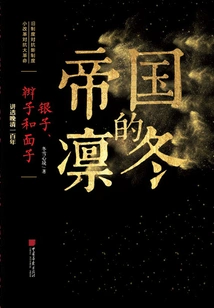
帝国的凛冬:银子、辫子和面子
Winter Snow Mood
Dong Xue, the author of the million-selling book "Things About the Tang Dynasty", started in-depth research on the history of the late Qing Dynasty long before studying the Tang Dynasty. It lasted for fifteen years and finally completed this book. It aims to show us the one hundred years of the late Qing Dynasty: blood and fire under the microscope, crime and punishment under modernization, and why China finally ended the monarchy and moved toward a republic in the face of major changes unseen in three thousand years. We not only need to know history, but we need to know why history is the way it is.
Dong Xue, the author of the million-selling book "Things About the Tang Dynasty", started in-depth research on the history of the late Qing Dynasty long before studying the Tang Dynasty. It lasted for fifteen years and finally completed this book. It aims to show us the one hundred years of the late Qing Dynasty: blood and fire under the microscope, crime and punishment under modernization, and why China finally ended the monarchy and moved toward a republic in the face of major changes unseen in three thousand years. We not only need to know history, but we need to know why history is the way it is.