Library
Browse and search books
2 novels found
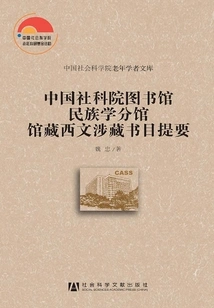
中国社科院图书馆民族学分馆馆藏西文涉藏书目提要
Wei Zhong
The "Summary of the Spanish-language Books Collection of the Ethnology Branch Library of the Chinese Academy of Social Sciences" mainly catalogs the Spanish-language books (including English, French, German, Italian, Hungarian, Romano and other languages) in the collection of the Institute of Ethnology Library that relate to Tibet and the Tibetan people, and writes a summary of the content for the convenience of researchers. These books span from 1756 to 2007, through the Qing Dynasty, the Republic of China, the peaceful liberation of Tibet, and the counterinsurgency to the present day. They involve nearly a thousand volumes of books and a total of 763 entries. It can be said that a relatively thorough cleanup of the Tibetan-related documents in Spanish collected by ethnic groups over the years has been carried out. This book is rich in content and can be said to be an encyclopedia for understanding the relationship between the West and Tibet.
The "Summary of the Spanish-language Books Collection of the Ethnology Branch Library of the Chinese Academy of Social Sciences" mainly catalogs the Spanish-language books (including English, French, German, Italian, Hungarian, Romano and other languages) in the collection of the Institute of Ethnology Library that relate to Tibet and the Tibetan people, and writes a summary of the content for the convenience of researchers. These books span from 1756 to 2007, through the Qing Dynasty, the Republic of China, the peaceful liberation of Tibet, and the counterinsurgency to the present day. They involve nearly a thousand volumes of books and a total of 763 entries. It can be said that a relatively thorough cleanup of the Tibetan-related documents in Spanish collected by ethnic groups over the years has been carried out. This book is rich in content and can be said to be an encyclopedia for understanding the relationship between the West and Tibet.
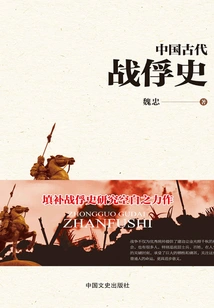
中国古代战俘史
Wei Zhong
This book is a popular historical reading that provides a general overview and introduction to the situation of ancient prisoners of war for readers to read and think about. The book has eight chapters and more than 340,000 words, ranging from the Spring and Autumn Period and the Warring States Period to the late Qing Dynasty. The purpose of this book: firstly, to contribute to the study of my country's war and civilization process; secondly, to draw lessons from history. Exploring the root causes of some problems, referring to historical experience, and drawing correct conclusions; finally, focus on progress. War not only provides outstanding commanders with the opportunity to make achievements and shine for generations, but also many people, especially soldiers and ordinary people at the bottom, endured huge sacrifices and pain at critical moments in their lives. It is more progressive to pay attention to the fate of these ordinary people.
This book is a popular historical reading that provides a general overview and introduction to the situation of ancient prisoners of war for readers to read and think about. The book has eight chapters and more than 340,000 words, ranging from the Spring and Autumn Period and the Warring States Period to the late Qing Dynasty. The purpose of this book: firstly, to contribute to the study of my country's war and civilization process; secondly, to draw lessons from history. Exploring the root causes of some problems, referring to historical experience, and drawing correct conclusions; finally, focus on progress. War not only provides outstanding commanders with the opportunity to make achievements and shine for generations, but also many people, especially soldiers and ordinary people at the bottom, endured huge sacrifices and pain at critical moments in their lives. It is more progressive to pay attention to the fate of these ordinary people.