Library
Browse and search books
9 novels found
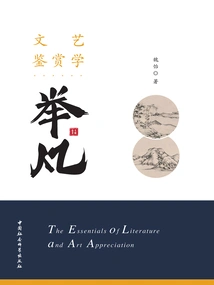
文艺鉴赏学举凡
Wei Yi
It is a very rare systematic research monograph in this field that studies the occurrence and development of literary appreciation activities, the expectation horizon of the appreciation subject, the aesthetic characteristics of the appreciation object, the aesthetic description of the appreciation process, and the realization of high-quality literary appreciation. It is suitable for reading by literature and art lovers at home and abroad; the author is also regarded as the first person in the field of literary appreciation research by many scholars in the industry.
It is a very rare systematic research monograph in this field that studies the occurrence and development of literary appreciation activities, the expectation horizon of the appreciation subject, the aesthetic characteristics of the appreciation object, the aesthetic description of the appreciation process, and the realization of high-quality literary appreciation. It is suitable for reading by literature and art lovers at home and abroad; the author is also regarded as the first person in the field of literary appreciation research by many scholars in the industry.
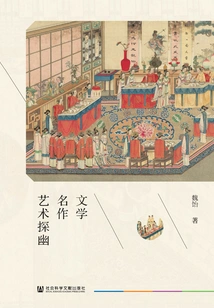
Exploring Literary Masterpieces and Art
Literature文学名作艺术探幽
Wei Yi
This book takes Chinese and foreign ancient and modern literary names as the object, and conducts an in-depth and simple exploration of dozens of selected poems and prose art from the perspective of readers. The book is divided into three chapters: "Comparison", "Differences" and "Research". It collects a total of 53 articles on literary appreciation that the author has completed over the past 30 years. Some of them have been published in newspapers and periodicals, and a large part were written in response to the invitations of Hunan People's Broadcasting Station's "Work Appreciation" and Central People's Broadcasting Station's "Reading and Appreciation" programs. They were once spiritual delicacies eagerly anticipated by the broad literary audience. It will be a loyal companion for literature lovers at home and abroad seeking tranquility and beauty in literary gardens.
This book takes Chinese and foreign ancient and modern literary names as the object, and conducts an in-depth and simple exploration of dozens of selected poems and prose art from the perspective of readers. The book is divided into three chapters: "Comparison", "Differences" and "Research". It collects a total of 53 articles on literary appreciation that the author has completed over the past 30 years. Some of them have been published in newspapers and periodicals, and a large part were written in response to the invitations of Hunan People's Broadcasting Station's "Work Appreciation" and Central People's Broadcasting Station's "Reading and Appreciation" programs. They were once spiritual delicacies eagerly anticipated by the broad literary audience. It will be a loyal companion for literature lovers at home and abroad seeking tranquility and beauty in literary gardens.

\
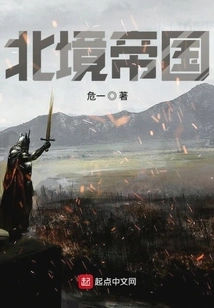
Northern Empire
Military北境帝国
Wei Yi
Legend has it that in ancient times, there were many tribes living in the Central Plains. They lived on this fertile land for generations and continued to thrive. In the Middle Ages, the northern wild people made a living as nomads, and gradually a powerful tribe, the Rong Di, was born. They would contact various grassland tribes to go south to plunder during times of disaster. At first, they simply robbed food for the winter, then later they burned, killed, and looted utensils, livestock, women, etc., Which brought serious disasters to the people of various tribes in the Central Plains. The leader of the Ying tribe, Gong Gong, united various tribes and selected the best tribesmen to go north across the Hebei Plateau to build a northern defense line from the east of Heishan to the west of Xianren Lake to resist the invasion of the barbarians. After three generations and a hundred years of work, they finally built a huge stone line stretching for hundreds of miles. The Great Wall blocked the barbarians to the north of the Great Wall. In order to commend Gong Gong and the Ying tribe for their contribution to resisting the barbarians, the tribes in the Central Plains elected Gong Gong as the co-lord of the Central Plains and respected the emperor. The descendants of Gong Gong will always be given the title of emperor and can order the tribes to conduct conquests. In the post-ancient period, the Central Plains continued to develop and form the most primitive commercial civilization. Each tribe established its own city one after another. The desires of future generations of emperors continued to expand, and they abused the power of conquest and annexed surrounding tribes. It aroused dissatisfaction among various tribes in the Central Plains, and was finally defeated by the five allied forces of Xia, Shang, Xue and Song in the battle against the Song Dynasty. The winning people were exiled to the East China Sea Islands and the winning land was granted to a tribesman named Lu, the leader of Ying Dynasty. In the early years of the Middle Ages, the Central Plains entered an era of hegemony among various countries. Conquests continued. A new hero was born in the small country in the north. Under his leadership, the northern country grew from weak to strong, until a powerful multi-ethnic empire was established. He is the protagonist of the story, Gongsun
Legend has it that in ancient times, there were many tribes living in the Central Plains. They lived on this fertile land for generations and continued to thrive. In the Middle Ages, the northern wild people made a living as nomads, and gradually a powerful tribe, the Rong Di, was born. They would contact various grassland tribes to go south to plunder during times of disaster. At first, they simply robbed food for the winter, then later they burned, killed, and looted utensils, livestock, women, etc., Which brought serious disasters to the people of various tribes in the Central Plains. The leader of the Ying tribe, Gong Gong, united various tribes and selected the best tribesmen to go north across the Hebei Plateau to build a northern defense line from the east of Heishan to the west of Xianren Lake to resist the invasion of the barbarians. After three generations and a hundred years of work, they finally built a huge stone line stretching for hundreds of miles. The Great Wall blocked the barbarians to the north of the Great Wall. In order to commend Gong Gong and the Ying tribe for their contribution to resisting the barbarians, the tribes in the Central Plains elected Gong Gong as the co-lord of the Central Plains and respected the emperor. The descendants of Gong Gong will always be given the title of emperor and can order the tribes to conduct conquests. In the post-ancient period, the Central Plains continued to develop and form the most primitive commercial civilization. Each tribe established its own city one after another. The desires of future generations of emperors continued to expand, and they abused the power of conquest and annexed surrounding tribes. It aroused dissatisfaction among various tribes in the Central Plains, and was finally defeated by the five allied forces of Xia, Shang, Xue and Song in the battle against the Song Dynasty. The winning people were exiled to the East China Sea Islands and the winning land was granted to a tribesman named Lu, the leader of Ying Dynasty. In the early years of the Middle Ages, the Central Plains entered an era of hegemony among various countries. Conquests continued. A new hero was born in the small country in the north. Under his leadership, the northern country grew from weak to strong, until a powerful multi-ethnic empire was established. He is the protagonist of the story, Gongsun
Five Color Goddess
Ancient Romance五色神妞
Wei Yi
This is an unknown continent... Here, survival is king...
This is an unknown continent... Here, survival is king...
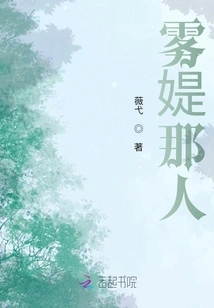
That Person from Wu Ti
Young Adult雾媞那人
Wei Yi
The turning point in high school was when flowers bloomed that year, and they got to know each other by chance and got together, but was it a dream? When I woke up from the dream, I met that person at the corner with someone else. "Yeah, what was I thinking about when I was a student? Study hard. I have already planned my future." Xia Wei passed by calmly. We will wait and see in the future...
The turning point in high school was when flowers bloomed that year, and they got to know each other by chance and got together, but was it a dream? When I woke up from the dream, I met that person at the corner with someone else. "Yeah, what was I thinking about when I was a student? Study hard. I have already planned my future." Xia Wei passed by calmly. We will wait and see in the future...
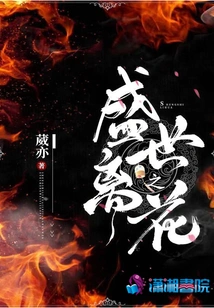
Flowers of the Prosperous Age
Fantasy Romance盛世之离花
Wei Yi
This is a song of growth composed of blood, tears and laughter! Love and hate, love and hatred... There are eight sect masters, seven men and one woman. So, was she, caught between the brothers, pampered like a princess, or was she... The target of public criticism?
This is a song of growth composed of blood, tears and laughter! Love and hate, love and hatred... There are eight sect masters, seven men and one woman. So, was she, caught between the brothers, pampered like a princess, or was she... The target of public criticism?
红尘升仙
Wei Yi
Come to China Literature's website to read more of my works!
Come to China Literature's website to read more of my works!
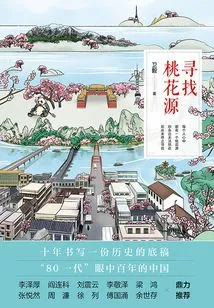
Looking for a Paradise
Literature寻找桃花源
Wei Yi
"Searching for the Peach Blossom Spring" is a metaphor that each of us hopes to find an ideal place to settle down or a spiritual destination. However, the "Peach Blossom Spring" seems to be always changing, always farther away, and may never be reached, but we never stop looking. In "Searching for Peach Blossom Land", Wei Yi is like a time traveler, traveling through different time and space, different fields, and different levels to find those stories of "Searching for Peach Blossom Land". There are stories here today, stories from ten years ago, stories from decades ago, and stories from a hundred years ago. Parallel to this, there is also the story of Wei Yi himself and his family. These stories constitute a "polyphonic" world where different voices gather and different destinies are intertwined. Wei Yi has a broad and delicate heart, is calm and emotional, unique and appropriate. He presents us with a variety of life, which is a three-dimensional picture full of the warmth, joy and joy of the Chinese people over the past century.
"Searching for the Peach Blossom Spring" is a metaphor that each of us hopes to find an ideal place to settle down or a spiritual destination. However, the "Peach Blossom Spring" seems to be always changing, always farther away, and may never be reached, but we never stop looking. In "Searching for Peach Blossom Land", Wei Yi is like a time traveler, traveling through different time and space, different fields, and different levels to find those stories of "Searching for Peach Blossom Land". There are stories here today, stories from ten years ago, stories from decades ago, and stories from a hundred years ago. Parallel to this, there is also the story of Wei Yi himself and his family. These stories constitute a "polyphonic" world where different voices gather and different destinies are intertwined. Wei Yi has a broad and delicate heart, is calm and emotional, unique and appropriate. He presents us with a variety of life, which is a three-dimensional picture full of the warmth, joy and joy of the Chinese people over the past century.