Library
Browse and search books
2 novels found
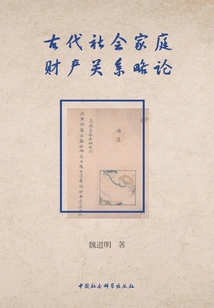
古代社会家庭财产关系略论
Wei Daoming
This book mainly discusses the property relations within families (tribes) in ancient Chinese society. The book consists of three chapters. The first chapter, "Cohabitation and Shared Property System", discusses the size of cohabitation (family), the nature of cohabitation and shared property, and the property rights of cohabitation (family) members. The second chapter, "Property Separation and Inheritance," mainly discusses the division of family property when the cohabitation relationship ends. Chapter 3, "The Issue of Daughters' Property Rights," is devoted to the discussion of women's property rights in cohabitation (family) groups. Although the property relations within families (tribes) in ancient society have been a matter of long-standing concern in the academic world and have yielded fruitful research results, this book's discussions on the scale of cohabitation (family), the conceptual definition and difference between property division and inheritance, and the nature and origin of the property division law of "a woman gets half of a man's share" are quite innovative and may have publication value.
This book mainly discusses the property relations within families (tribes) in ancient Chinese society. The book consists of three chapters. The first chapter, "Cohabitation and Shared Property System", discusses the size of cohabitation (family), the nature of cohabitation and shared property, and the property rights of cohabitation (family) members. The second chapter, "Property Separation and Inheritance," mainly discusses the division of family property when the cohabitation relationship ends. Chapter 3, "The Issue of Daughters' Property Rights," is devoted to the discussion of women's property rights in cohabitation (family) groups. Although the property relations within families (tribes) in ancient society have been a matter of long-standing concern in the academic world and have yielded fruitful research results, this book's discussions on the scale of cohabitation (family), the conceptual definition and difference between property division and inheritance, and the nature and origin of the property division law of "a woman gets half of a man's share" are quite innovative and may have publication value.
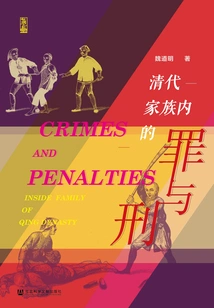
清代家族内的罪与刑
Wei Daoming
In the Qing Dynasty, for the vast majority of civilians, family and clan were almost the only place where they lived for a long time, and naturally became one of the main places where people interacted, conflicted and even committed crimes. The social structure of "family and country as one" makes the judiciary pay special attention to criminal behavior within the family, and uses punishment to regulate the hierarchical order and implement Confucian ethics. From the perspective of the Wufu system, this book selects dozens of cases about intra-family crimes from various compilations of numerous criminal cases. On this basis, it summarizes the adjudication standards and reasoning logic of the Qing Dynasty's judicial departments at all levels when it comes to such crimes, so as to explain the influence and control of the patriarchal hierarchical order on the law and highlight the ethical characteristics of ancient Chinese law.
In the Qing Dynasty, for the vast majority of civilians, family and clan were almost the only place where they lived for a long time, and naturally became one of the main places where people interacted, conflicted and even committed crimes. The social structure of "family and country as one" makes the judiciary pay special attention to criminal behavior within the family, and uses punishment to regulate the hierarchical order and implement Confucian ethics. From the perspective of the Wufu system, this book selects dozens of cases about intra-family crimes from various compilations of numerous criminal cases. On this basis, it summarizes the adjudication standards and reasoning logic of the Qing Dynasty's judicial departments at all levels when it comes to such crimes, so as to explain the influence and control of the patriarchal hierarchical order on the law and highlight the ethical characteristics of ancient Chinese law.