Library
Browse and search books
18 novels found
从春秋到战国
Wang Wei
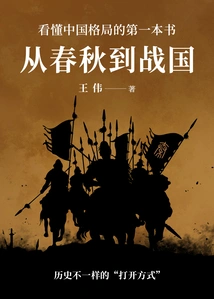
Following "The First Book to Understand the World Pattern", the author Wang Wei returns his unique perspective to China. "From the Spring and Autumn Period to the Warring States Period" details the historical events that reconstructed the world from the Spring and Autumn Period to the Warring States Period, including the decline of the Western Zhou Dynasty and the upstarts of Jianghan and Han Dynasties. It analyzes the subtle games between the various countries in the Spring and Autumn Period and the Warring States Period from the perspective of big historical perspective and strategic thinking, presenting a wonderful historical drama. Putting China in the overall world structure, the author makes good use of vivid metaphors and a relaxed and lively tone, so that readers can understand the origin of the formation of China's structure and its future direction.
Following "The First Book to Understand the World Pattern", the author Wang Wei returns his unique perspective to China. "From the Spring and Autumn Period to the Warring States Period" details the historical events that reconstructed the world from the Spring and Autumn Period to the Warring States Period, including the decline of the Western Zhou Dynasty and the upstarts of Jianghan and Han Dynasties. It analyzes the subtle games between the various countries in the Spring and Autumn Period and the Warring States Period from the perspective of big historical perspective and strategic thinking, presenting a wonderful historical drama. Putting China in the overall world structure, the author makes good use of vivid metaphors and a relaxed and lively tone, so that readers can understand the origin of the formation of China's structure and its future direction.
Waiting for Love
Modern Romance等爱
Wang Wei
The male protagonist Ye Wei is an optimistic boy. When he was in college, he met Jin Yuner, a Korean girl studying abroad at another school, and soon developed into a lover; Zhang Chengshu, an infatuated boy in Ye Wei's dormitory, was deeply in love with his girlfriend, the school beauty Gu Minlan. In an encounter, Gu Minlan actually used Ye Wei as a "shield" and lied about being her new boyfriend, so she successfully dumped Zhang Chengshu. Zhang Chengshu, who loved Gu Minlan wholeheartedly, suffered such a blow and fell into despair. So one night, he climbed up the high building of the school and jumped off. . . . . . After graduating from college, Ye Wei went to work in a pharmaceutical chain. Because Kim Yoona couldn't let go of Ye Wei, she gave up the superior treatment in South Korea and chose to become a music teacher in a local middle school. The two fell in love with each other more and more, and began to consider marriage; Ye Wei worked very well in the chain drug store and was quickly promoted to the manager of a store. One day, a new employee came to the store. Ye Wei was a little surprised when he saw her because she was the school beauty - Gu Minlan. Gu Minlan gradually developed a liking for Ye Wei, even though she knew that Ye Wei was about to get married; when Jin Yuner came to visit Ye Wei in the store, Gu Minlan felt jealous when she saw the sweet behavior of the two people in front of her. . . . . . On the eve of Ye Wei's wedding, Gu Minlan designed to trick Ye Wei out first, and then secretly put "Diavil" in his wine. After Ye Wei fell asleep, he took him to the hotel. . . . . . During a basic inspection of the company, someone reported that Ye Wei was enriching himself by selling drugs in the store that the company had never distributed, and a large number of drugs of unknown origin were found in Ye Wei's cabinet. Ye Wei could not defend himself, and the company finally made the decision to fire him. Ye Wei, who left the company, was not discouraged and decided to open his own pharmacy. Under his excellent operation and management, Weimin Pharmaceutical Chain Co., Ltd. Was established two years later. . . . . . At this time Gu Minlan also entered Weimin. After entering the company, she was restless. Soon a new colleague came - Zhang Yi, and the two conspired to drive Ye Wei out of the company and seize Weimin. Ye Wei, who was forced to leave, became homeless, and finally had to move to Jin Yuner's school dormitory. Jin Yuner never left her, and Ye Wei was unwilling to give up, so he went to find Gu Minlan, but was ridiculed by her. The disappointed Ye Wei looked dumbfounded. Ye Wei was walking stagnantly in the middle of the road, wanting to die, but was discovered by Jin Yun'er who came to find him. At this time, a car was approaching quickly. In order to save Ye Wei, Jin Yun'er pushed him away, and she fell into a pool of blood because she couldn't dodge. . . . . . Although Kim Yoon-ah was sent to the hospital and was eventually rescued, she lost her memory and could no longer remember him. In the middle of the pain, he entrusted Kim Yoona's friend Chen Xiao to send her back to South Korea, but he became a completely different person. With hatred, he went to another city and entered a company, Fahrenheit Pharmaceuticals, and thus began his revenge plan. . . . . .
The male protagonist Ye Wei is an optimistic boy. When he was in college, he met Jin Yuner, a Korean girl studying abroad at another school, and soon developed into a lover; Zhang Chengshu, an infatuated boy in Ye Wei's dormitory, was deeply in love with his girlfriend, the school beauty Gu Minlan. In an encounter, Gu Minlan actually used Ye Wei as a "shield" and lied about being her new boyfriend, so she successfully dumped Zhang Chengshu. Zhang Chengshu, who loved Gu Minlan wholeheartedly, suffered such a blow and fell into despair. So one night, he climbed up the high building of the school and jumped off. . . . . . After graduating from college, Ye Wei went to work in a pharmaceutical chain. Because Kim Yoona couldn't let go of Ye Wei, she gave up the superior treatment in South Korea and chose to become a music teacher in a local middle school. The two fell in love with each other more and more, and began to consider marriage; Ye Wei worked very well in the chain drug store and was quickly promoted to the manager of a store. One day, a new employee came to the store. Ye Wei was a little surprised when he saw her because she was the school beauty - Gu Minlan. Gu Minlan gradually developed a liking for Ye Wei, even though she knew that Ye Wei was about to get married; when Jin Yuner came to visit Ye Wei in the store, Gu Minlan felt jealous when she saw the sweet behavior of the two people in front of her. . . . . . On the eve of Ye Wei's wedding, Gu Minlan designed to trick Ye Wei out first, and then secretly put "Diavil" in his wine. After Ye Wei fell asleep, he took him to the hotel. . . . . . During a basic inspection of the company, someone reported that Ye Wei was enriching himself by selling drugs in the store that the company had never distributed, and a large number of drugs of unknown origin were found in Ye Wei's cabinet. Ye Wei could not defend himself, and the company finally made the decision to fire him. Ye Wei, who left the company, was not discouraged and decided to open his own pharmacy. Under his excellent operation and management, Weimin Pharmaceutical Chain Co., Ltd. Was established two years later. . . . . . At this time Gu Minlan also entered Weimin. After entering the company, she was restless. Soon a new colleague came - Zhang Yi, and the two conspired to drive Ye Wei out of the company and seize Weimin. Ye Wei, who was forced to leave, became homeless, and finally had to move to Jin Yuner's school dormitory. Jin Yuner never left her, and Ye Wei was unwilling to give up, so he went to find Gu Minlan, but was ridiculed by her. The disappointed Ye Wei looked dumbfounded. Ye Wei was walking stagnantly in the middle of the road, wanting to die, but was discovered by Jin Yun'er who came to find him. At this time, a car was approaching quickly. In order to save Ye Wei, Jin Yun'er pushed him away, and she fell into a pool of blood because she couldn't dodge. . . . . . Although Kim Yoon-ah was sent to the hospital and was eventually rescued, she lost her memory and could no longer remember him. In the middle of the pain, he entrusted Kim Yoona's friend Chen Xiao to send her back to South Korea, but he became a completely different person. With hatred, he went to another city and entered a company, Fahrenheit Pharmaceuticals, and thus began his revenge plan. . . . . .
Time Flies
Literature似水流年
Wang Wei
This is a collection of essays, which collects a total of more than 30 essays written by the author, including "Dads", "When You Get Old", "Journey", "Reading", "Observing Yourself", "Time flies", etc. The narrative content includes characters, travel notes, random thoughts, preferences, etc., And is full of family affection, friendship, love and natural feelings.
This is a collection of essays, which collects a total of more than 30 essays written by the author, including "Dads", "When You Get Old", "Journey", "Reading", "Observing Yourself", "Time flies", etc. The narrative content includes characters, travel notes, random thoughts, preferences, etc., And is full of family affection, friendship, love and natural feelings.
看懂中国格局的第一本书:从诸侯到帝国
Wang Wei
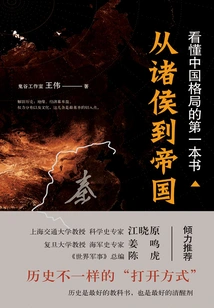
This is a book that gives people unexpected surprises! In addition to being an introductory book to popularize the ancient Chinese structure, the author of this book uses unconventional economics, military, and international relations thinking to objectively and profoundly deconstruct the interest structure behind the ancient Chinese structure and the subtle game between the large groups at that time. The time node selected in this book is the Spring and Autumn Period of the Eastern Zhou Dynasty and the Warring States Period, which is also the most complex period of struggle and richest stories in ancient China. By reading this book, readers can establish a deeper historical perspective.
This is a book that gives people unexpected surprises! In addition to being an introductory book to popularize the ancient Chinese structure, the author of this book uses unconventional economics, military, and international relations thinking to objectively and profoundly deconstruct the interest structure behind the ancient Chinese structure and the subtle game between the large groups at that time. The time node selected in this book is the Spring and Autumn Period of the Eastern Zhou Dynasty and the Warring States Period, which is also the most complex period of struggle and richest stories in ancient China. By reading this book, readers can establish a deeper historical perspective.
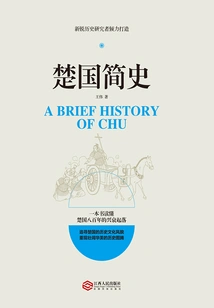
A Brief History of Chu State
History楚国简史
Wang Wei
This book will restore the 800-year history of the rise and fall of Chu State for readers with heavy pen and ink. In each historical stage, it will focus on the fate of important figures and the historical development trend of Chu State, so that the splendid history and culture of Chu State can be revived in the text, and the magnificent historical totems can be reproduced...
This book will restore the 800-year history of the rise and fall of Chu State for readers with heavy pen and ink. In each historical stage, it will focus on the fate of important figures and the historical development trend of Chu State, so that the splendid history and culture of Chu State can be revived in the text, and the magnificent historical totems can be reproduced...
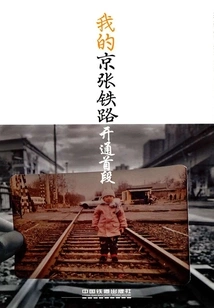
我的京张铁路 开通首段(北京学丛书.留影系列)
Wang Wei
Wang Wei spent more than ten years using fieldwork, oral histories from veteran workers and residents along the line, comparison of new and old pictures from the same location, hand-painted restoration based on old materials and pictures, and a census of cultural relics along the entire line to show the changes, historical remains, and current status of cultural relics in the Fengtai-Nankou section of the Beijing-Zhangjiakou Railway. It focuses on the long-demolished Guang'anmen-Xizhimen section and the historical changes of Xizhimen Station.
Wang Wei spent more than ten years using fieldwork, oral histories from veteran workers and residents along the line, comparison of new and old pictures from the same location, hand-painted restoration based on old materials and pictures, and a census of cultural relics along the entire line to show the changes, historical remains, and current status of cultural relics in the Fengtai-Nankou section of the Beijing-Zhangjiakou Railway. It focuses on the long-demolished Guang'anmen-Xizhimen section and the historical changes of Xizhimen Station.
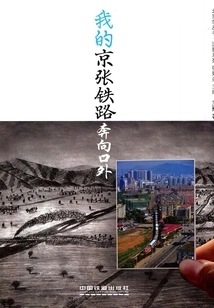
我的京张铁路 奔向口外(北京学丛书.留影系列)
Wang Wei
Wang Wei spent more than ten years using fieldwork, oral histories from veteran workers and residents along the line, comparison of old and new pictures from the same location, hand-painted restoration based on old materials and pictures, and a survey of cultural relics across the entire line to show the changes, historical remains, and current status of cultural relics in the Kangzhuang-Zhangjiakou section of the Beijing-Zhangjiakou Railway. Among them, the focus is on the rerouting near Huailai, Jimingshan Coal Mine Branch Line, Zhangjiakou Big Bend, etc.
Wang Wei spent more than ten years using fieldwork, oral histories from veteran workers and residents along the line, comparison of old and new pictures from the same location, hand-painted restoration based on old materials and pictures, and a survey of cultural relics across the entire line to show the changes, historical remains, and current status of cultural relics in the Kangzhuang-Zhangjiakou section of the Beijing-Zhangjiakou Railway. Among them, the focus is on the rerouting near Huailai, Jimingshan Coal Mine Branch Line, Zhangjiakou Big Bend, etc.
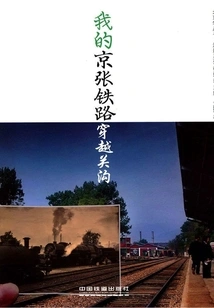
我的京张铁路 穿越关沟(北京学丛书.留影系列)
Wang Wei
Wang Wei spent more than ten years using fieldwork, oral histories from veteran workers and residents along the line, comparison of old and new pictures from the same location, hand-painted restoration based on old materials and pictures, and a census of cultural relics along the entire line to show the changes, historical remains, and current status of cultural relics in the south entrance-Kangzhuang section of the Beijing-Zhangjiakou Railway. It focuses on the oral history of the old train driver, the operation of the steam locomotive in the Guangou section, etc.
Wang Wei spent more than ten years using fieldwork, oral histories from veteran workers and residents along the line, comparison of old and new pictures from the same location, hand-painted restoration based on old materials and pictures, and a census of cultural relics along the entire line to show the changes, historical remains, and current status of cultural relics in the south entrance-Kangzhuang section of the Beijing-Zhangjiakou Railway. It focuses on the oral history of the old train driver, the operation of the steam locomotive in the Guangou section, etc.
我的京张铁路(全三册)
Wang Wei
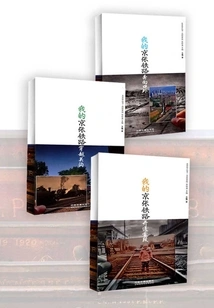
The "My Beijing-Zhangjiakou Railway" series of books is divided into three volumes. In the form of spatial lines, it comprehensively displays the historical changes, historical remains, and current status of cultural relics of the Beijing-Zhangjiakou Railway through field trips across the line, oral histories of old workers and residents along the line, comparisons of old and new pictures from the same location, and hand-painted restorations of vanished scenes. In order to make it more interesting, the author uses the pinyin of Waitoma from a hundred years ago in each chapter, condensing the detailed and profound railway history.
The "My Beijing-Zhangjiakou Railway" series of books is divided into three volumes. In the form of spatial lines, it comprehensively displays the historical changes, historical remains, and current status of cultural relics of the Beijing-Zhangjiakou Railway through field trips across the line, oral histories of old workers and residents along the line, comparisons of old and new pictures from the same location, and hand-painted restorations of vanished scenes. In order to make it more interesting, the author uses the pinyin of Waitoma from a hundred years ago in each chapter, condensing the detailed and profound railway history.
Maple Leaf Card
General Fiction枫叶卡
Wang Wei
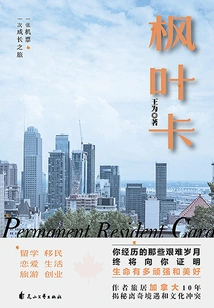
Zhang Cheng, who studied in Canada, encountered the 2008 financial crisis as soon as he graduated. After his business failed, he started working as a telephone customer service company. In the new company, he met Feng Cui, who was also Chinese, and the two fell in love at first sight. After the marriage, the two returned to Montreal, and Zhang Cheng continued to start his own business. He opened a bridal shop in the city center and engaged in cross-border trade. The entrepreneurial experience caused Zhang Cheng to suffer unprecedented setbacks and blows, and the relationship between him and Feng Cui became increasingly unstable. As the economic situation improved, in the second year after starting the business, the business of the bridal shop improved. Wedding photography and wedding projects even accounted for more than half of the Chinese market in the entire city. However, at this time, Zhang Cheng began to expand, allowing competitors to take advantage of the situation and alienate the relationship between Zhang Cheng and Feng Cui. Feng Cui left Toronto, and Zhang Cheng was on the verge of a broken marriage and career collapse...
Zhang Cheng, who studied in Canada, encountered the 2008 financial crisis as soon as he graduated. After his business failed, he started working as a telephone customer service company. In the new company, he met Feng Cui, who was also Chinese, and the two fell in love at first sight. After the marriage, the two returned to Montreal, and Zhang Cheng continued to start his own business. He opened a bridal shop in the city center and engaged in cross-border trade. The entrepreneurial experience caused Zhang Cheng to suffer unprecedented setbacks and blows, and the relationship between him and Feng Cui became increasingly unstable. As the economic situation improved, in the second year after starting the business, the business of the bridal shop improved. Wedding photography and wedding projects even accounted for more than half of the Chinese market in the entire city. However, at this time, Zhang Cheng began to expand, allowing competitors to take advantage of the situation and alienate the relationship between Zhang Cheng and Feng Cui. Feng Cui left Toronto, and Zhang Cheng was on the verge of a broken marriage and career collapse...
Qiu Nian Dong Dian
Literature秋念冬颠
Wang Wei
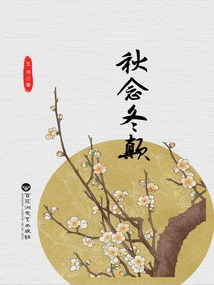
"Autumn Thoughts in Winter" is a collection of personal works. The author has compiled dozens of modern poems, ancient poems and prose works created from 2000 to 2010. The previous dozens of modern poems show the author's views and insights on love and friendship, and were written to appreciate things and move people's emotions. The ancient style poems highlight the author's emotion of nostalgic for the past and praising the present. Ancient style poems such as "Night", "Thinking" and "Untitled" condense the feelings of longing into just a few words and express the author's feelings. The prose part mainly uses scenes to convey feelings and feelings to people. The title "Autumn Thoughts of Winter" comes from a prose in the book. The author misses autumn, the people and things he knows well, just like autumn. This kind of nostalgia is a meticulous painting without an end. However, the feeling of nostalgia left gently in winter, without farewell or ending.
"Autumn Thoughts in Winter" is a collection of personal works. The author has compiled dozens of modern poems, ancient poems and prose works created from 2000 to 2010. The previous dozens of modern poems show the author's views and insights on love and friendship, and were written to appreciate things and move people's emotions. The ancient style poems highlight the author's emotion of nostalgic for the past and praising the present. Ancient style poems such as "Night", "Thinking" and "Untitled" condense the feelings of longing into just a few words and express the author's feelings. The prose part mainly uses scenes to convey feelings and feelings to people. The title "Autumn Thoughts of Winter" comes from a prose in the book. The author misses autumn, the people and things he knows well, just like autumn. This kind of nostalgia is a meticulous painting without an end. However, the feeling of nostalgia left gently in winter, without farewell or ending.
群众健身理论探索与我国民间体育的传承发展研究
Wang Wei
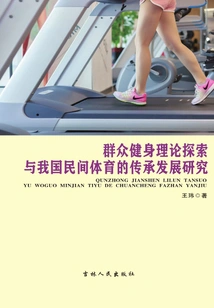
Since the reform and opening up, my country's comprehensive national strength has continued to increase, and the country has continued to attach importance to the construction of socialist spiritual civilization. The rich humanistic spiritual connotation contained in Chinese folk sports culture is a representative of the oriental national sports culture and one of the important contents of the construction of socialist spiritual civilization with Chinese characteristics. At this stage, the public must re-understand the value of traditional folk sports culture, retain the essence of the traditional sports culture of the Chinese nation on the basis of full inheritance and rational innovation, attract the public's attention with a new culture that keeps pace with the times and has distinctive characteristics, and establish a development system for traditional folk sports culture. Mass fitness sports are subject to objective conditions such as their development status, material foundation, and sports culture. Compared with competitive sports, the overall development level of mass sports in my country is low, regional development is unbalanced, and the overall development is not comprehensive. In the post-Olympic period, our country should clarify the development status of mass sports, establish a funding and management model with the government as the mainstay and the market as the supplement, increase investment in science and technology for mass sports, make effective use of various sports resources, improve the soft power of my country's traditional sports culture, and lay the foundation for realizing a sports power.
Since the reform and opening up, my country's comprehensive national strength has continued to increase, and the country has continued to attach importance to the construction of socialist spiritual civilization. The rich humanistic spiritual connotation contained in Chinese folk sports culture is a representative of the oriental national sports culture and one of the important contents of the construction of socialist spiritual civilization with Chinese characteristics. At this stage, the public must re-understand the value of traditional folk sports culture, retain the essence of the traditional sports culture of the Chinese nation on the basis of full inheritance and rational innovation, attract the public's attention with a new culture that keeps pace with the times and has distinctive characteristics, and establish a development system for traditional folk sports culture. Mass fitness sports are subject to objective conditions such as their development status, material foundation, and sports culture. Compared with competitive sports, the overall development level of mass sports in my country is low, regional development is unbalanced, and the overall development is not comprehensive. In the post-Olympic period, our country should clarify the development status of mass sports, establish a funding and management model with the government as the mainstay and the market as the supplement, increase investment in science and technology for mass sports, make effective use of various sports resources, improve the soft power of my country's traditional sports culture, and lay the foundation for realizing a sports power.
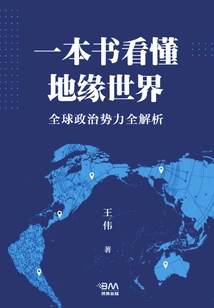
一本书看懂地缘世界
Wang Wei
The United States, from its founding, rise to hegemony, has gone through a routine like the "hero" in martial arts novels; Europe, once the "martial arts leader", has "receded to the second line"; Russia's geostrategic demands are the same as the double-headed eagle on its national emblem - Zuo Gu Look right; India wants to be a "prominent" big country, but the actual situation is complicated by its unique geographical environment; China has all the conditions to become a "king", but if it wants to truly "come to the top", it must rely on wisdom and courage and work hard!
The United States, from its founding, rise to hegemony, has gone through a routine like the "hero" in martial arts novels; Europe, once the "martial arts leader", has "receded to the second line"; Russia's geostrategic demands are the same as the double-headed eagle on its national emblem - Zuo Gu Look right; India wants to be a "prominent" big country, but the actual situation is complicated by its unique geographical environment; China has all the conditions to become a "king", but if it wants to truly "come to the top", it must rely on wisdom and courage and work hard!
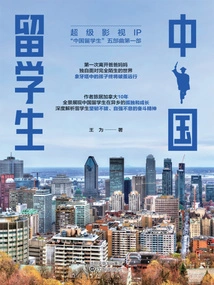
Chinese Students
General Fiction中国留学生
Wang Wei
"Chinese International Students" is a novel about the growth and struggle of Chinese international students. A group of post-80s high school graduates, including Zhang Cheng, Manli, Li Min, Situ, Shiye and Liu Yu, came to Montreal, Canada to study abroad in the early 21st century. They gathered in Montreal from Beijing, Shanghai, Liaoning, Zhejiang, Jiangsu and other regions and worked hard to complete their undergraduate studies. In the process, each of them faced some difficulties - language barriers, conflicts between Eastern and Western cultures, loyalty in friendship, choices in love, isolation and loneliness in overseas life, and longing for relatives at home. These post-80s international students continue to overcome difficulties and grow abroad, forming their own world view, outlook on life, and values. When they are about to graduate, they will eventually face different life choices...
"Chinese International Students" is a novel about the growth and struggle of Chinese international students. A group of post-80s high school graduates, including Zhang Cheng, Manli, Li Min, Situ, Shiye and Liu Yu, came to Montreal, Canada to study abroad in the early 21st century. They gathered in Montreal from Beijing, Shanghai, Liaoning, Zhejiang, Jiangsu and other regions and worked hard to complete their undergraduate studies. In the process, each of them faced some difficulties - language barriers, conflicts between Eastern and Western cultures, loyalty in friendship, choices in love, isolation and loneliness in overseas life, and longing for relatives at home. These post-80s international students continue to overcome difficulties and grow abroad, forming their own world view, outlook on life, and values. When they are about to graduate, they will eventually face different life choices...
Special Mom
Literature特别妈妈
Wang Wei
This book selects dozens of novels, short stories, and novellas published by the author over the years, such as the novella "Special Mom", "Going Home", "Walking Over That Bridge" and "There is a Cloud in the Sky", which won the "Anhui Novel Contest Huaihe Literary Award". The author's three-dimensional and intersecting perspective observation of reality and his unique ability to mobilize artistic means to create a new positive literary image are worthy of recognition. With fresh and elegant brushwork unique to women, he creates infectious characters one after another, with profound themes, deep thinking, simple and fresh language, and elegant style.
This book selects dozens of novels, short stories, and novellas published by the author over the years, such as the novella "Special Mom", "Going Home", "Walking Over That Bridge" and "There is a Cloud in the Sky", which won the "Anhui Novel Contest Huaihe Literary Award". The author's three-dimensional and intersecting perspective observation of reality and his unique ability to mobilize artistic means to create a new positive literary image are worthy of recognition. With fresh and elegant brushwork unique to women, he creates infectious characters one after another, with profound themes, deep thinking, simple and fresh language, and elegant style.
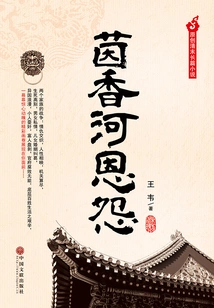
Yinxiang River Grudges
General Fiction茵香河恩怨
Wang Wei
The story takes place in the Jiangnan area in the late Qing Dynasty. The Shen and Mei families are big families in Yinxianghe Town. They have a grudge against their children because of their evil deeds. In order to take revenge, the Mei family launched a series of revenge actions against the Shen family. First, he planned to sink the cargo ship at Shen's lumber yard, causing nine boatmen to be buried at the bottom of the river; then, in order to snatch a trade contract of 200,000 Shiyin fragrant rice from a British businessman, all the agencies were involved; and then in the "Liuwei Dihuang Pill" It was mixed with toxic substances and blamed on others, causing more than 20 patients to die mysteriously after taking it... In the end, their deeds were exposed, harming others and themselves, and they were imprisoned, killed, exiled, deported, and separated from each other, causing a loss for both sides. However, the salt merchant Xue Jingzhi, who was hiding behind the scenes to watch the fight, suddenly appeared in Yinxianghe Town. Together with his half-brother Xue Jingtang, who was an official in the court, he took over all the properties left by the Shen Mei family and partnered with Japanese people to set up a foreign pharmaceutical factory in Yinxianghe...
The story takes place in the Jiangnan area in the late Qing Dynasty. The Shen and Mei families are big families in Yinxianghe Town. They have a grudge against their children because of their evil deeds. In order to take revenge, the Mei family launched a series of revenge actions against the Shen family. First, he planned to sink the cargo ship at Shen's lumber yard, causing nine boatmen to be buried at the bottom of the river; then, in order to snatch a trade contract of 200,000 Shiyin fragrant rice from a British businessman, all the agencies were involved; and then in the "Liuwei Dihuang Pill" It was mixed with toxic substances and blamed on others, causing more than 20 patients to die mysteriously after taking it... In the end, their deeds were exposed, harming others and themselves, and they were imprisoned, killed, exiled, deported, and separated from each other, causing a loss for both sides. However, the salt merchant Xue Jingzhi, who was hiding behind the scenes to watch the fight, suddenly appeared in Yinxianghe Town. Together with his half-brother Xue Jingtang, who was an official in the court, he took over all the properties left by the Shen Mei family and partnered with Japanese people to set up a foreign pharmaceutical factory in Yinxianghe...

Finance Can Overturn History
General Fiction金融可以颠覆历史
Wang Wei
In today's highly regulated financial system, the financial industry seems to be getting further and further away from public life. The recommendation of the book "Finance Can Subvert History" stems from our estrangement from the financial industry and also from the inseparable relationship between finance and our daily lives. Historically, in the ranking of Chinese culture, "scholars, farmers, industry and commerce", "business" has always been the lowest. Business history has rarely been compiled, and financial historical materials are even more lacking. There has been little research accumulation in this area since the Republic of China. After the founding of the People's Republic of China, financial scholars often lacked an objective stance and valuable historical materials due to their specific ideology. Every review of history may be a sorting out and innovation of concepts, research and discovery of new historical materials, and a sorting out of values; and another important aspect of the source of innovation is the excavation of history.
In today's highly regulated financial system, the financial industry seems to be getting further and further away from public life. The recommendation of the book "Finance Can Subvert History" stems from our estrangement from the financial industry and also from the inseparable relationship between finance and our daily lives. Historically, in the ranking of Chinese culture, "scholars, farmers, industry and commerce", "business" has always been the lowest. Business history has rarely been compiled, and financial historical materials are even more lacking. There has been little research accumulation in this area since the Republic of China. After the founding of the People's Republic of China, financial scholars often lacked an objective stance and valuable historical materials due to their specific ideology. Every review of history may be a sorting out and innovation of concepts, research and discovery of new historical materials, and a sorting out of values; and another important aspect of the source of innovation is the excavation of history.
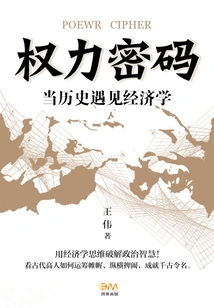
权力密码:当历史遇见经济学
Wang Wei
The new masterpiece from best-selling author Wang Wei! This is a brand-new historical work that aims to "observe the principles of rise and fall, examine the propriety of power, observe the art of controlling people, and think of ways to achieve things", aims to unlock the laws and codes of the operation of power, and analyzes historical events from an economic perspective. From Dayu's flood control to Liu Bang's founding of the Han Dynasty, the evolution of power, the transformation of the system, the way of doing things, and the method of employing people are all in the "rights code". Let's take a look at how the ancient masters strategized and maneuvered to achieve eternal fame. As readers, we will also learn to use economic thinking to decipher political wisdom, analyze the current political and economic situation, and understand complex social changes and economic evolution, thereby providing useful reference for choosing a life path.
The new masterpiece from best-selling author Wang Wei! This is a brand-new historical work that aims to "observe the principles of rise and fall, examine the propriety of power, observe the art of controlling people, and think of ways to achieve things", aims to unlock the laws and codes of the operation of power, and analyzes historical events from an economic perspective. From Dayu's flood control to Liu Bang's founding of the Han Dynasty, the evolution of power, the transformation of the system, the way of doing things, and the method of employing people are all in the "rights code". Let's take a look at how the ancient masters strategized and maneuvered to achieve eternal fame. As readers, we will also learn to use economic thinking to decipher political wisdom, analyze the current political and economic situation, and understand complex social changes and economic evolution, thereby providing useful reference for choosing a life path.