Library
Browse and search books
10 novels found
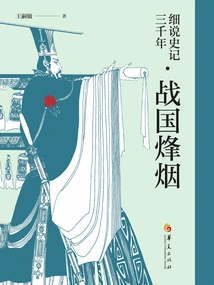
A Detailed Account of Three Thousand Years of Historical Records·war Results and Beacon Smoke
History细说史记三千年·战果烽烟
Wang Simin
Everyone says that "Historical Records" is good, but for modern people, reading "Historical Records" in its entirety faces several obstacles, such as the scattered themes of biographies, the unfamiliar and complicated timeline of ancient names of people and places, etc. These obstacles create the regret of not finishing reading "Historical Records". There needs to be a companion book similar to "Three Thousand Years of Historical Records" to guide readers. After reading the detailed series, it would be easier to read "Historical Records" again, and there would be no regrets if you don't read the original version. Chinese people become great masters by reading "Historical Records". The "Three Thousand Years of Historical Records" series is an expanded and upgraded version of the best-selling book "The Soul of Historical Records". The author uses five-dimensional thinking, that is, from the perspective of "academics, stories, strategies, organizations, and details", and spares no effort in ten years to read "Historical Records" carefully. He has taken the trouble to cite widely, and created more than 300 original diagrams to create a bridge and companion reading to "Historical Records" that "more clearly presents the context of "Historical Records" and more comprehensively analyzes Tai Shigong's thoughts." "Telling the Three Thousand Years of Historical Records in 10 Volumes" aims at the pain point of scattered characters and events in biographical historical books, making it difficult to see the whole picture. It uses more than a dozen major topics and dozens of small topics to follow the timeline of three thousand years to tell people in an interesting and three-dimensional way, so that "Historical Records" can be read clearly, completely and thoroughly. After reading the "Historical Records in Detail" series, you can be considered to have read the "Historical Records in detail" and mastered the overall content and spiritual connotation of the "Historical Records".
Everyone says that "Historical Records" is good, but for modern people, reading "Historical Records" in its entirety faces several obstacles, such as the scattered themes of biographies, the unfamiliar and complicated timeline of ancient names of people and places, etc. These obstacles create the regret of not finishing reading "Historical Records". There needs to be a companion book similar to "Three Thousand Years of Historical Records" to guide readers. After reading the detailed series, it would be easier to read "Historical Records" again, and there would be no regrets if you don't read the original version. Chinese people become great masters by reading "Historical Records". The "Three Thousand Years of Historical Records" series is an expanded and upgraded version of the best-selling book "The Soul of Historical Records". The author uses five-dimensional thinking, that is, from the perspective of "academics, stories, strategies, organizations, and details", and spares no effort in ten years to read "Historical Records" carefully. He has taken the trouble to cite widely, and created more than 300 original diagrams to create a bridge and companion reading to "Historical Records" that "more clearly presents the context of "Historical Records" and more comprehensively analyzes Tai Shigong's thoughts." "Telling the Three Thousand Years of Historical Records in 10 Volumes" aims at the pain point of scattered characters and events in biographical historical books, making it difficult to see the whole picture. It uses more than a dozen major topics and dozens of small topics to follow the timeline of three thousand years to tell people in an interesting and three-dimensional way, so that "Historical Records" can be read clearly, completely and thoroughly. After reading the "Historical Records in Detail" series, you can be considered to have read the "Historical Records in detail" and mastered the overall content and spiritual connotation of the "Historical Records".
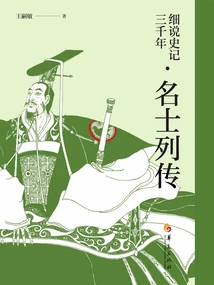
A Detailed Account of Three Thousand Years of Historical Records and Biographies of Famous Figures
History细说史记三千年·名士列传
Wang Simin
Everyone says that "Historical Records" is good, but for modern people, reading "Historical Records" in its entirety faces several obstacles, such as the scattered themes of biographies, the unfamiliar and complicated timeline of ancient names of people and places, etc. These obstacles create the regret of not finishing reading "Historical Records". There needs to be a companion book similar to "Three Thousand Years of Historical Records" to guide readers. After reading the detailed series, it would be easier to read "Historical Records" again, and there would be no regrets if you don't read the original version. Chinese people become great masters by reading "Historical Records". The "Three Thousand Years of Historical Records" series is an expanded and upgraded version of the best-selling book "The Soul of Historical Records". The author uses five-dimensional thinking, that is, from the perspective of "academics, stories, strategies, organizations, and details", and spares no effort in ten years to read "Historical Records" carefully. He has taken the trouble to cite widely, and created more than 300 original diagrams to create a bridge and companion reading to "Historical Records" that "more clearly presents the context of "Historical Records" and more comprehensively analyzes Tai Shigong's thoughts." "Telling the Three Thousand Years of Historical Records in 10 Volumes" aims at the pain point of scattered characters and events in biographical historical books, making it difficult to see the whole picture. It uses more than a dozen major topics and dozens of small topics to follow the timeline of three thousand years to tell people in an interesting and three-dimensional way, so that "Historical Records" can be read clearly, completely and thoroughly. After reading the "Historical Records in Detail" series, you can be considered to have read the "Historical Records in detail" and mastered the overall content and spiritual connotation of the "Historical Records".
Everyone says that "Historical Records" is good, but for modern people, reading "Historical Records" in its entirety faces several obstacles, such as the scattered themes of biographies, the unfamiliar and complicated timeline of ancient names of people and places, etc. These obstacles create the regret of not finishing reading "Historical Records". There needs to be a companion book similar to "Three Thousand Years of Historical Records" to guide readers. After reading the detailed series, it would be easier to read "Historical Records" again, and there would be no regrets if you don't read the original version. Chinese people become great masters by reading "Historical Records". The "Three Thousand Years of Historical Records" series is an expanded and upgraded version of the best-selling book "The Soul of Historical Records". The author uses five-dimensional thinking, that is, from the perspective of "academics, stories, strategies, organizations, and details", and spares no effort in ten years to read "Historical Records" carefully. He has taken the trouble to cite widely, and created more than 300 original diagrams to create a bridge and companion reading to "Historical Records" that "more clearly presents the context of "Historical Records" and more comprehensively analyzes Tai Shigong's thoughts." "Telling the Three Thousand Years of Historical Records in 10 Volumes" aims at the pain point of scattered characters and events in biographical historical books, making it difficult to see the whole picture. It uses more than a dozen major topics and dozens of small topics to follow the timeline of three thousand years to tell people in an interesting and three-dimensional way, so that "Historical Records" can be read clearly, completely and thoroughly. After reading the "Historical Records in Detail" series, you can be considered to have read the "Historical Records in detail" and mastered the overall content and spiritual connotation of the "Historical Records".
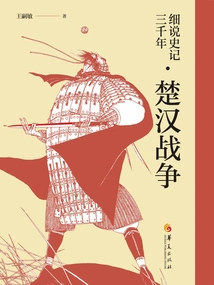
细说史记三千年·楚汉战争
Wang Simin
Everyone says that "Historical Records" is good, but for modern people, reading "Historical Records" in its entirety faces several obstacles, such as the scattered themes of biographies, the unfamiliar and complicated timeline of ancient names of people and places, etc. These obstacles create the regret of not finishing reading "Historical Records". There needs to be a companion book similar to "Three Thousand Years of Historical Records" to guide readers. After reading the detailed series, it would be easier to read "Historical Records" again, and there would be no regrets if you don't read the original version. Chinese people become great masters by reading "Historical Records". The "Three Thousand Years of Historical Records" series is an expanded and upgraded version of the best-selling book "The Soul of Historical Records". The author uses five-dimensional thinking, that is, from the perspective of "academics, stories, strategies, organizations, and details", and spares no effort in ten years to read "Historical Records" carefully. He has taken the trouble to cite widely, and created more than 300 original diagrams to create a bridge and companion reading to "Historical Records" that "more clearly presents the context of "Historical Records" and more comprehensively analyzes Tai Shigong's thoughts." "Telling the Three Thousand Years of Historical Records in 10 Volumes" aims at the pain point of scattered characters and events in biographical historical books, making it difficult to see the whole picture. It uses more than a dozen major topics and dozens of small topics to follow the timeline of three thousand years to tell people in an interesting and three-dimensional way, so that "Historical Records" can be read clearly, completely and thoroughly. After reading the "Historical Records in Detail" series, you can be considered to have read the "Historical Records in detail" and mastered the overall content and spiritual connotation of the "Historical Records".
Everyone says that "Historical Records" is good, but for modern people, reading "Historical Records" in its entirety faces several obstacles, such as the scattered themes of biographies, the unfamiliar and complicated timeline of ancient names of people and places, etc. These obstacles create the regret of not finishing reading "Historical Records". There needs to be a companion book similar to "Three Thousand Years of Historical Records" to guide readers. After reading the detailed series, it would be easier to read "Historical Records" again, and there would be no regrets if you don't read the original version. Chinese people become great masters by reading "Historical Records". The "Three Thousand Years of Historical Records" series is an expanded and upgraded version of the best-selling book "The Soul of Historical Records". The author uses five-dimensional thinking, that is, from the perspective of "academics, stories, strategies, organizations, and details", and spares no effort in ten years to read "Historical Records" carefully. He has taken the trouble to cite widely, and created more than 300 original diagrams to create a bridge and companion reading to "Historical Records" that "more clearly presents the context of "Historical Records" and more comprehensively analyzes Tai Shigong's thoughts." "Telling the Three Thousand Years of Historical Records in 10 Volumes" aims at the pain point of scattered characters and events in biographical historical books, making it difficult to see the whole picture. It uses more than a dozen major topics and dozens of small topics to follow the timeline of three thousand years to tell people in an interesting and three-dimensional way, so that "Historical Records" can be read clearly, completely and thoroughly. After reading the "Historical Records in Detail" series, you can be considered to have read the "Historical Records in detail" and mastered the overall content and spiritual connotation of the "Historical Records".
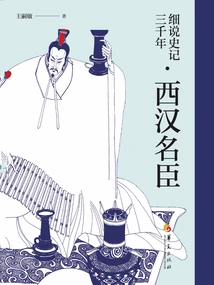
细说史记三千年·西汉名臣
Wang Simin
Everyone says that "Historical Records" is good, but for modern people, reading "Historical Records" in its entirety faces several obstacles, such as the scattered themes of biographies, the unfamiliar and complicated timeline of ancient names of people and places, etc. These obstacles create the regret of not finishing reading "Historical Records". There needs to be a companion book similar to "Three Thousand Years of Historical Records" to guide readers. After reading the detailed series, it would be easier to read "Historical Records" again, and there would be no regrets if you don't read the original version. Chinese people become great masters by reading "Historical Records". The "Three Thousand Years of Historical Records" series is an expanded and upgraded version of the best-selling book "The Soul of Historical Records". The author uses five-dimensional thinking, that is, from the perspective of "academics, stories, strategies, organizations, and details", and spares no effort in ten years to read "Historical Records" carefully. He has taken the trouble to cite widely, and created more than 300 original diagrams to create a bridge and companion reading to "Historical Records" that "more clearly presents the context of "Historical Records" and more comprehensively analyzes Tai Shigong's thoughts." "Telling the Three Thousand Years of Historical Records in 10 Volumes" aims at the pain point of scattered characters and events in biographical historical books, making it difficult to see the whole picture. It uses more than a dozen major topics and dozens of small topics to follow the timeline of three thousand years to tell people in an interesting and three-dimensional way, so that "Historical Records" can be read clearly, completely and thoroughly. After reading the "Historical Records in Detail" series, you can be considered to have read the "Historical Records in detail" and mastered the overall content and spiritual connotation of the "Historical Records".
Everyone says that "Historical Records" is good, but for modern people, reading "Historical Records" in its entirety faces several obstacles, such as the scattered themes of biographies, the unfamiliar and complicated timeline of ancient names of people and places, etc. These obstacles create the regret of not finishing reading "Historical Records". There needs to be a companion book similar to "Three Thousand Years of Historical Records" to guide readers. After reading the detailed series, it would be easier to read "Historical Records" again, and there would be no regrets if you don't read the original version. Chinese people become great masters by reading "Historical Records". The "Three Thousand Years of Historical Records" series is an expanded and upgraded version of the best-selling book "The Soul of Historical Records". The author uses five-dimensional thinking, that is, from the perspective of "academics, stories, strategies, organizations, and details", and spares no effort in ten years to read "Historical Records" carefully. He has taken the trouble to cite widely, and created more than 300 original diagrams to create a bridge and companion reading to "Historical Records" that "more clearly presents the context of "Historical Records" and more comprehensively analyzes Tai Shigong's thoughts." "Telling the Three Thousand Years of Historical Records in 10 Volumes" aims at the pain point of scattered characters and events in biographical historical books, making it difficult to see the whole picture. It uses more than a dozen major topics and dozens of small topics to follow the timeline of three thousand years to tell people in an interesting and three-dimensional way, so that "Historical Records" can be read clearly, completely and thoroughly. After reading the "Historical Records in Detail" series, you can be considered to have read the "Historical Records in detail" and mastered the overall content and spiritual connotation of the "Historical Records".
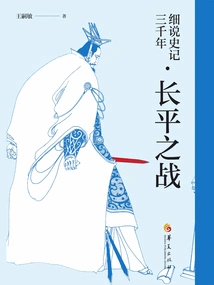
细说史记三千年·长平之战
Wang Simin
Everyone says that "Historical Records" is good, but for modern people, reading "Historical Records" in its entirety faces several obstacles, such as the scattered themes of biographies, the unfamiliar and complicated timeline of ancient names of people and places, etc. These obstacles create the regret of not finishing reading "Historical Records". There needs to be a companion book similar to "Three Thousand Years of Historical Records" to guide readers. After reading the detailed series, it would be easier to read "Historical Records" again, and there would be no regrets if you don't read the original version. Chinese people become great masters by reading "Historical Records". The "Three Thousand Years of Historical Records" series is an expanded and upgraded version of the best-selling book "The Soul of Historical Records". The author uses five-dimensional thinking, that is, from the perspective of "academics, stories, strategies, organizations, and details", and spares no effort in ten years to read "Historical Records" carefully. He has taken the trouble to cite widely, and created more than 300 original diagrams to create a bridge and companion reading to "Historical Records" that "more clearly presents the context of "Historical Records" and more comprehensively analyzes Tai Shigong's thoughts." "Telling the Three Thousand Years of Historical Records in 10 Volumes" aims at the pain point of scattered characters and events in biographical historical books, making it difficult to see the whole picture. It uses more than a dozen major topics and dozens of small topics to follow the timeline of three thousand years to tell people in an interesting and three-dimensional way, so that "Historical Records" can be read clearly, completely and thoroughly. After reading the "Historical Records in Detail" series, you can be considered to have read the "Historical Records in detail" and mastered the overall content and spiritual connotation of the "Historical Records".
Everyone says that "Historical Records" is good, but for modern people, reading "Historical Records" in its entirety faces several obstacles, such as the scattered themes of biographies, the unfamiliar and complicated timeline of ancient names of people and places, etc. These obstacles create the regret of not finishing reading "Historical Records". There needs to be a companion book similar to "Three Thousand Years of Historical Records" to guide readers. After reading the detailed series, it would be easier to read "Historical Records" again, and there would be no regrets if you don't read the original version. Chinese people become great masters by reading "Historical Records". The "Three Thousand Years of Historical Records" series is an expanded and upgraded version of the best-selling book "The Soul of Historical Records". The author uses five-dimensional thinking, that is, from the perspective of "academics, stories, strategies, organizations, and details", and spares no effort in ten years to read "Historical Records" carefully. He has taken the trouble to cite widely, and created more than 300 original diagrams to create a bridge and companion reading to "Historical Records" that "more clearly presents the context of "Historical Records" and more comprehensively analyzes Tai Shigong's thoughts." "Telling the Three Thousand Years of Historical Records in 10 Volumes" aims at the pain point of scattered characters and events in biographical historical books, making it difficult to see the whole picture. It uses more than a dozen major topics and dozens of small topics to follow the timeline of three thousand years to tell people in an interesting and three-dimensional way, so that "Historical Records" can be read clearly, completely and thoroughly. After reading the "Historical Records in Detail" series, you can be considered to have read the "Historical Records in detail" and mastered the overall content and spiritual connotation of the "Historical Records".

细说史记三千年·汉初战略
Wang Simin
Everyone says that "Historical Records" is good, but for modern people, reading "Historical Records" in its entirety faces several obstacles, such as the scattered themes of biographies, the unfamiliar and complicated timeline of ancient names of people and places, etc. These obstacles create the regret of not finishing reading "Historical Records". There needs to be a companion book similar to "Three Thousand Years of Historical Records" to guide readers. After reading the detailed series, it would be easier to read "Historical Records" again, and there would be no regrets if you don't read the original version. Chinese people become great masters by reading "Historical Records". The "Three Thousand Years of Historical Records" series is an expanded and upgraded version of the best-selling book "The Soul of Historical Records". The author uses five-dimensional thinking, that is, from the perspective of "academics, stories, strategies, organizations, and details", and spares no effort in ten years to read "Historical Records" carefully. He has taken the trouble to cite widely, and created more than 300 original diagrams to create a bridge and companion reading to "Historical Records" that "more clearly presents the context of "Historical Records" and more comprehensively analyzes Tai Shigong's thoughts." "Telling the Three Thousand Years of Historical Records in 10 Volumes" aims at the pain point of scattered characters and events in biographical historical books, making it difficult to see the whole picture. It uses more than a dozen major topics and dozens of small topics to follow the timeline of three thousand years to tell people in an interesting and three-dimensional way, so that "Historical Records" can be read clearly, completely and thoroughly. After reading the "Historical Records in Detail" series, you can be considered to have read the "Historical Records in detail" and mastered the overall content and spiritual connotation of the "Historical Records".
Everyone says that "Historical Records" is good, but for modern people, reading "Historical Records" in its entirety faces several obstacles, such as the scattered themes of biographies, the unfamiliar and complicated timeline of ancient names of people and places, etc. These obstacles create the regret of not finishing reading "Historical Records". There needs to be a companion book similar to "Three Thousand Years of Historical Records" to guide readers. After reading the detailed series, it would be easier to read "Historical Records" again, and there would be no regrets if you don't read the original version. Chinese people become great masters by reading "Historical Records". The "Three Thousand Years of Historical Records" series is an expanded and upgraded version of the best-selling book "The Soul of Historical Records". The author uses five-dimensional thinking, that is, from the perspective of "academics, stories, strategies, organizations, and details", and spares no effort in ten years to read "Historical Records" carefully. He has taken the trouble to cite widely, and created more than 300 original diagrams to create a bridge and companion reading to "Historical Records" that "more clearly presents the context of "Historical Records" and more comprehensively analyzes Tai Shigong's thoughts." "Telling the Three Thousand Years of Historical Records in 10 Volumes" aims at the pain point of scattered characters and events in biographical historical books, making it difficult to see the whole picture. It uses more than a dozen major topics and dozens of small topics to follow the timeline of three thousand years to tell people in an interesting and three-dimensional way, so that "Historical Records" can be read clearly, completely and thoroughly. After reading the "Historical Records in Detail" series, you can be considered to have read the "Historical Records in detail" and mastered the overall content and spiritual connotation of the "Historical Records".
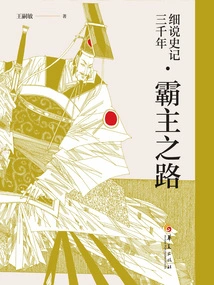
细说史记三千年·霸主之路
Wang Simin
Everyone says that "Historical Records" is good, but for modern people, reading "Historical Records" in its entirety faces several obstacles, such as the scattered themes of biographies, the unfamiliar and complicated timeline of ancient names of people and places, etc. These obstacles create the regret of not finishing reading "Historical Records". There needs to be a companion book similar to "Three Thousand Years of Historical Records" to guide readers. After reading the detailed series, it would be easier to read "Historical Records" again, and there would be no regrets if you don't read the original version. Chinese people become great masters by reading "Historical Records". The "Three Thousand Years of Historical Records" series is an expanded and upgraded version of the best-selling book "The Soul of Historical Records". The author uses five-dimensional thinking, that is, from the perspective of "academics, stories, strategies, organizations, and details", and spares no effort in ten years to read "Historical Records" carefully. He has taken the trouble to cite widely, and created more than 300 original diagrams to create a bridge and companion reading to "Historical Records" that "more clearly presents the context of "Historical Records" and more comprehensively analyzes Tai Shigong's thoughts." "Telling the Three Thousand Years of Historical Records in 10 Volumes" aims at the pain point of scattered characters and events in biographical historical books, making it difficult to see the whole picture. It uses more than a dozen major topics and dozens of small topics to follow the timeline of three thousand years to tell people in an interesting and three-dimensional way, so that "Historical Records" can be read clearly, completely and thoroughly. After reading the "Historical Records in Detail" series, you can be considered to have read the "Historical Records in detail" and mastered the overall content and spiritual connotation of the "Historical Records".
Everyone says that "Historical Records" is good, but for modern people, reading "Historical Records" in its entirety faces several obstacles, such as the scattered themes of biographies, the unfamiliar and complicated timeline of ancient names of people and places, etc. These obstacles create the regret of not finishing reading "Historical Records". There needs to be a companion book similar to "Three Thousand Years of Historical Records" to guide readers. After reading the detailed series, it would be easier to read "Historical Records" again, and there would be no regrets if you don't read the original version. Chinese people become great masters by reading "Historical Records". The "Three Thousand Years of Historical Records" series is an expanded and upgraded version of the best-selling book "The Soul of Historical Records". The author uses five-dimensional thinking, that is, from the perspective of "academics, stories, strategies, organizations, and details", and spares no effort in ten years to read "Historical Records" carefully. He has taken the trouble to cite widely, and created more than 300 original diagrams to create a bridge and companion reading to "Historical Records" that "more clearly presents the context of "Historical Records" and more comprehensively analyzes Tai Shigong's thoughts." "Telling the Three Thousand Years of Historical Records in 10 Volumes" aims at the pain point of scattered characters and events in biographical historical books, making it difficult to see the whole picture. It uses more than a dozen major topics and dozens of small topics to follow the timeline of three thousand years to tell people in an interesting and three-dimensional way, so that "Historical Records" can be read clearly, completely and thoroughly. After reading the "Historical Records in Detail" series, you can be considered to have read the "Historical Records in detail" and mastered the overall content and spiritual connotation of the "Historical Records".
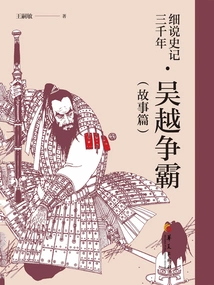
细说史记三千年·吴越争霸(故事篇)
Wang Simin
Everyone says that "Historical Records" is good, but for modern people, reading "Historical Records" in its entirety faces several obstacles, such as the scattered themes of biographies, the unfamiliar and complicated timeline of ancient names of people and places, etc. These obstacles create the regret of not finishing reading "Historical Records". There needs to be a companion book similar to "Three Thousand Years of Historical Records" to guide readers. After reading the detailed series, it would be easier to read "Historical Records" again, and there would be no regrets if you don't read the original version. Chinese people become great masters by reading "Historical Records". The "Three Thousand Years of Historical Records" series is an expanded and upgraded version of the best-selling book "The Soul of Historical Records". The author uses five-dimensional thinking, that is, from the perspective of "academics, stories, strategies, organizations, and details", and spares no effort in ten years to read "Historical Records" carefully. He has taken the trouble to cite widely, and created more than 300 original diagrams to create a bridge and companion reading to "Historical Records" that "more clearly presents the context of "Historical Records" and more comprehensively analyzes Tai Shigong's thoughts." "Telling the Three Thousand Years of Historical Records in 10 Volumes" aims at the pain point of scattered characters and events in biographical historical books, making it difficult to see the whole picture. It uses more than a dozen major topics and dozens of small topics to follow the timeline of three thousand years to tell people in an interesting and three-dimensional way, so that "Historical Records" can be read clearly, completely and thoroughly. After reading the "Historical Records in Detail" series, you can be considered to have read the "Historical Records in detail" and mastered the overall content and spiritual connotation of the "Historical Records".
Everyone says that "Historical Records" is good, but for modern people, reading "Historical Records" in its entirety faces several obstacles, such as the scattered themes of biographies, the unfamiliar and complicated timeline of ancient names of people and places, etc. These obstacles create the regret of not finishing reading "Historical Records". There needs to be a companion book similar to "Three Thousand Years of Historical Records" to guide readers. After reading the detailed series, it would be easier to read "Historical Records" again, and there would be no regrets if you don't read the original version. Chinese people become great masters by reading "Historical Records". The "Three Thousand Years of Historical Records" series is an expanded and upgraded version of the best-selling book "The Soul of Historical Records". The author uses five-dimensional thinking, that is, from the perspective of "academics, stories, strategies, organizations, and details", and spares no effort in ten years to read "Historical Records" carefully. He has taken the trouble to cite widely, and created more than 300 original diagrams to create a bridge and companion reading to "Historical Records" that "more clearly presents the context of "Historical Records" and more comprehensively analyzes Tai Shigong's thoughts." "Telling the Three Thousand Years of Historical Records in 10 Volumes" aims at the pain point of scattered characters and events in biographical historical books, making it difficult to see the whole picture. It uses more than a dozen major topics and dozens of small topics to follow the timeline of three thousand years to tell people in an interesting and three-dimensional way, so that "Historical Records" can be read clearly, completely and thoroughly. After reading the "Historical Records in Detail" series, you can be considered to have read the "Historical Records in detail" and mastered the overall content and spiritual connotation of the "Historical Records".
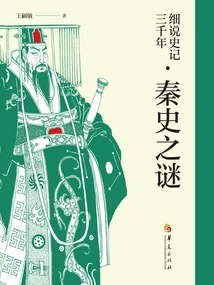
细说史记三千年·秦史之谜
Wang Simin
Everyone says that "Historical Records" is good, but for modern people, reading "Historical Records" in its entirety faces several obstacles, such as the scattered themes of biographies, the unfamiliar and complicated timeline of ancient names of people and places, etc. These obstacles create the regret of not finishing reading "Historical Records". There needs to be a companion book similar to "Three Thousand Years of Historical Records" to guide readers. After reading the detailed series, it would be easier to read "Historical Records" again, and there would be no regrets if you don't read the original version. Chinese people become great masters by reading "Historical Records". The "Three Thousand Years of Historical Records" series is an expanded and upgraded version of the best-selling book "The Soul of Historical Records". The author uses five-dimensional thinking, that is, from the perspective of "academics, stories, strategies, organizations, and details", and spares no effort in ten years to read "Historical Records" carefully. He has taken the trouble to cite widely, and created more than 300 original diagrams to create a bridge and companion reading to "Historical Records" that "more clearly presents the context of "Historical Records" and more comprehensively analyzes Tai Shigong's thoughts." "Telling the Three Thousand Years of Historical Records in 10 Volumes" aims at the pain point of scattered characters and events in biographical historical books, making it difficult to see the whole picture. It uses more than a dozen major topics and dozens of small topics to follow the timeline of three thousand years to tell people in an interesting and three-dimensional way, so that "Historical Records" can be read clearly, completely and thoroughly. After reading the "Historical Records in Detail" series, you can be considered to have read the "Historical Records in detail" and mastered the overall content and spiritual connotation of the "Historical Records".
Everyone says that "Historical Records" is good, but for modern people, reading "Historical Records" in its entirety faces several obstacles, such as the scattered themes of biographies, the unfamiliar and complicated timeline of ancient names of people and places, etc. These obstacles create the regret of not finishing reading "Historical Records". There needs to be a companion book similar to "Three Thousand Years of Historical Records" to guide readers. After reading the detailed series, it would be easier to read "Historical Records" again, and there would be no regrets if you don't read the original version. Chinese people become great masters by reading "Historical Records". The "Three Thousand Years of Historical Records" series is an expanded and upgraded version of the best-selling book "The Soul of Historical Records". The author uses five-dimensional thinking, that is, from the perspective of "academics, stories, strategies, organizations, and details", and spares no effort in ten years to read "Historical Records" carefully. He has taken the trouble to cite widely, and created more than 300 original diagrams to create a bridge and companion reading to "Historical Records" that "more clearly presents the context of "Historical Records" and more comprehensively analyzes Tai Shigong's thoughts." "Telling the Three Thousand Years of Historical Records in 10 Volumes" aims at the pain point of scattered characters and events in biographical historical books, making it difficult to see the whole picture. It uses more than a dozen major topics and dozens of small topics to follow the timeline of three thousand years to tell people in an interesting and three-dimensional way, so that "Historical Records" can be read clearly, completely and thoroughly. After reading the "Historical Records in Detail" series, you can be considered to have read the "Historical Records in detail" and mastered the overall content and spiritual connotation of the "Historical Records".
细说史记三千年·吴越争霸(技术篇)
Wang Simin
Everyone says that "Historical Records" is good, but for modern people, reading "Historical Records" in its entirety faces several obstacles, such as the scattered themes of biographies, the unfamiliar and complicated timeline of ancient names of people and places, etc. These obstacles create the regret of not finishing reading "Historical Records". There needs to be a companion book similar to "Three Thousand Years of Historical Records" to guide readers. After reading the detailed series, it would be easier to read "Historical Records" again, and there would be no regrets if you don't read the original version. Chinese people become great masters by reading "Historical Records". The "Three Thousand Years of Historical Records" series is an expanded and upgraded version of the best-selling book "The Soul of Historical Records". The author uses five-dimensional thinking, that is, from the perspective of "academics, stories, strategies, organizations, and details", and spares no effort in ten years to read "Historical Records" carefully. He has taken the trouble to cite widely, and created more than 300 original diagrams to create a bridge and companion reading to "Historical Records" that "more clearly presents the context of "Historical Records" and more comprehensively analyzes Tai Shigong's thoughts." "Telling the Three Thousand Years of Historical Records in 10 Volumes" aims at the pain point of scattered characters and events in biographical historical books, making it difficult to see the whole picture. It uses more than a dozen major topics and dozens of small topics to follow the timeline of three thousand years to tell people in an interesting and three-dimensional way, so that "Historical Records" can be read clearly, completely and thoroughly. After reading the "Historical Records in Detail" series, you can be considered to have read the "Historical Records in detail" and mastered the overall content and spiritual connotation of the "Historical Records".
Everyone says that "Historical Records" is good, but for modern people, reading "Historical Records" in its entirety faces several obstacles, such as the scattered themes of biographies, the unfamiliar and complicated timeline of ancient names of people and places, etc. These obstacles create the regret of not finishing reading "Historical Records". There needs to be a companion book similar to "Three Thousand Years of Historical Records" to guide readers. After reading the detailed series, it would be easier to read "Historical Records" again, and there would be no regrets if you don't read the original version. Chinese people become great masters by reading "Historical Records". The "Three Thousand Years of Historical Records" series is an expanded and upgraded version of the best-selling book "The Soul of Historical Records". The author uses five-dimensional thinking, that is, from the perspective of "academics, stories, strategies, organizations, and details", and spares no effort in ten years to read "Historical Records" carefully. He has taken the trouble to cite widely, and created more than 300 original diagrams to create a bridge and companion reading to "Historical Records" that "more clearly presents the context of "Historical Records" and more comprehensively analyzes Tai Shigong's thoughts." "Telling the Three Thousand Years of Historical Records in 10 Volumes" aims at the pain point of scattered characters and events in biographical historical books, making it difficult to see the whole picture. It uses more than a dozen major topics and dozens of small topics to follow the timeline of three thousand years to tell people in an interesting and three-dimensional way, so that "Historical Records" can be read clearly, completely and thoroughly. After reading the "Historical Records in Detail" series, you can be considered to have read the "Historical Records in detail" and mastered the overall content and spiritual connotation of the "Historical Records".