Library
Browse and search books
9 novels found
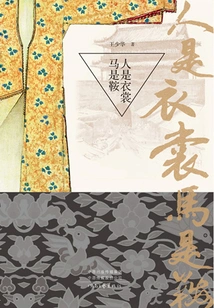
People Are Clothes and Horses Are Saddles
General Fiction人是衣裳马是鞍
Wang Shaohua
This book is based on a time-honored cloth shop named Yifufenzhuang in the ancient city of Xiangfu. It follows the five popular clothing styles of cheongsam, Bragi, military uniform, suit and denim in different periods as clues to advance the story. It shows their suffering, struggle, perseverance and liberation through the changes in fate of three generations of women in the Yue Manxiang family, the female shopkeeper of Yifufen, who run the cloth shop. The book uses clothing, a symbol like a flag of the era, to express the relationship between clothing and the progress of the times, triggering thoughts about the soul that has endured for thousands of years under the beautiful clothes. Over thousands of years in China, the changes in women's clothing can see the deep imprint that the times have left on them.
This book is based on a time-honored cloth shop named Yifufenzhuang in the ancient city of Xiangfu. It follows the five popular clothing styles of cheongsam, Bragi, military uniform, suit and denim in different periods as clues to advance the story. It shows their suffering, struggle, perseverance and liberation through the changes in fate of three generations of women in the Yue Manxiang family, the female shopkeeper of Yifufen, who run the cloth shop. The book uses clothing, a symbol like a flag of the era, to express the relationship between clothing and the progress of the times, triggering thoughts about the soul that has endured for thousands of years under the beautiful clothes. Over thousands of years in China, the changes in women's clothing can see the deep imprint that the times have left on them.
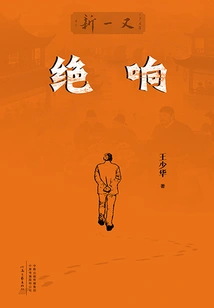
Absolute Sound
General Fiction绝响
Wang Shaohua
"Jue Xiang" is a novel describing the food culture of Kaifeng, the ancient capital. As early as the Northern Song Dynasty in restaurants in Tokyo, waiters were called "Xingcai". They clearly and accurately communicated the customers' orders to the chefs by announcing the dishes in the hall. At the end of the Ming Dynasty and the beginning of the Qing Dynasty, "Xingcai" was renamed "Tanghuer". The sound of announcing dishes in the hall rhymes with the same rhyme, and the sound is pleasant to the ear. However, as times changed, Xiangtang culture gradually declined. The business model and service methods of the modern catering industry have undergone tremendous changes, and the unique charm and style of Xiangtang culture have become memories. The novel "Jue Xiang" describes the rise and fall of Xiangtang culture. Through the rise and fall of the famous time-honored brand "Youyixin" in Xiangfu City, it tells the story of the grudges, hatreds, joys and sorrows of three generations of catering people. With the development of history and the progress of the times, Xiangtang had to withdraw from the stage of the times. But as a cultural phenomenon, its reverberations linger.
"Jue Xiang" is a novel describing the food culture of Kaifeng, the ancient capital. As early as the Northern Song Dynasty in restaurants in Tokyo, waiters were called "Xingcai". They clearly and accurately communicated the customers' orders to the chefs by announcing the dishes in the hall. At the end of the Ming Dynasty and the beginning of the Qing Dynasty, "Xingcai" was renamed "Tanghuer". The sound of announcing dishes in the hall rhymes with the same rhyme, and the sound is pleasant to the ear. However, as times changed, Xiangtang culture gradually declined. The business model and service methods of the modern catering industry have undergone tremendous changes, and the unique charm and style of Xiangtang culture have become memories. The novel "Jue Xiang" describes the rise and fall of Xiangtang culture. Through the rise and fall of the famous time-honored brand "Youyixin" in Xiangfu City, it tells the story of the grudges, hatreds, joys and sorrows of three generations of catering people. With the development of history and the progress of the times, Xiangtang had to withdraw from the stage of the times. But as a cultural phenomenon, its reverberations linger.
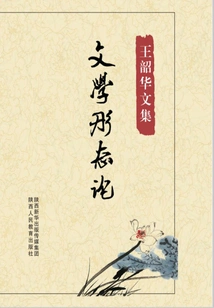
文学形态论(王韶华文集)
Wang Shaohua
This work mainly covers research on literary form, cultural poetics, prose aesthetics and novel art. Literature is a cultural aesthetic form that shines the brightest brilliance of human civilization. It starts from the aesthetic relationship between people and reality, expresses the life experience and thoughts and feelings of the creative subject, and uses language as a medium to achieve the aesthetic grasp and artistic expression of life, bringing people into a far-reaching world that displays human value and the meaning of life.
This work mainly covers research on literary form, cultural poetics, prose aesthetics and novel art. Literature is a cultural aesthetic form that shines the brightest brilliance of human civilization. It starts from the aesthetic relationship between people and reality, expresses the life experience and thoughts and feelings of the creative subject, and uses language as a medium to achieve the aesthetic grasp and artistic expression of life, bringing people into a far-reaching world that displays human value and the meaning of life.
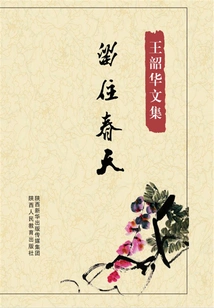
留住春天(王韶华文集)
Wang Shaohua
This collection of poems is selected from the works I have written. It reflects my understanding and feelings about the world and life, as well as my pursuit and expression of the art of poetry.
This collection of poems is selected from the works I have written. It reflects my understanding and feelings about the world and life, as well as my pursuit and expression of the art of poetry.
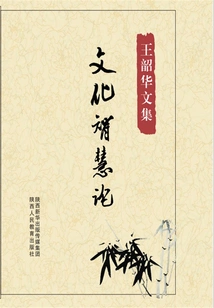
文化智慧论(王韶华文集)
Wang Shaohua
This treatise is the result of the author's cultural research and is also a social science research planning project of Gansu Province. The content includes three aspects: starting from "Chinese Studies" to explore the cultural spirit; focusing on "cultural sociology" to reveal the theme of "cultural wisdom"; based on "local culture" to construct "Kongtong Cultural Studies".
This treatise is the result of the author's cultural research and is also a social science research planning project of Gansu Province. The content includes three aspects: starting from "Chinese Studies" to explore the cultural spirit; focusing on "cultural sociology" to reveal the theme of "cultural wisdom"; based on "local culture" to construct "Kongtong Cultural Studies".
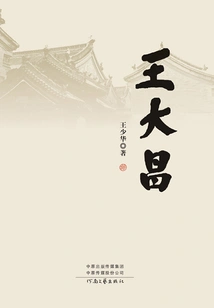
Wang Dachang
General Fiction王大昌
Wang Shaohua
The novel "Wang Dachang" is named after the real name of the time-honored "Wang Dachang Tea House" which was founded in 1913 and still exists next to the Drum Tower in Kaifeng City. It uses the historical stage soaked in suffering from 1938 to 1952 as the background to write about the ups and downs of a tea shop during the National War of Resistance; the Kuomintang and the Communist Party's struggle to resist foreign aggression and superiority. The divisions and unions that were constantly being cut and turned into chaos in the struggle to achieve social order; the scene of urban life in the early days of the founding of the People's Republic of China, when hundreds of businesses were waiting to be prospered; the responsibilities and choices of ordinary people in various major historical events... The friendship, humanistic spirit and unyielding backbone displayed by the three religions and nine schools surrounding this tea shop in the complicated evolution of history.
The novel "Wang Dachang" is named after the real name of the time-honored "Wang Dachang Tea House" which was founded in 1913 and still exists next to the Drum Tower in Kaifeng City. It uses the historical stage soaked in suffering from 1938 to 1952 as the background to write about the ups and downs of a tea shop during the National War of Resistance; the Kuomintang and the Communist Party's struggle to resist foreign aggression and superiority. The divisions and unions that were constantly being cut and turned into chaos in the struggle to achieve social order; the scene of urban life in the early days of the founding of the People's Republic of China, when hundreds of businesses were waiting to be prospered; the responsibilities and choices of ordinary people in various major historical events... The friendship, humanistic spirit and unyielding backbone displayed by the three religions and nine schools surrounding this tea shop in the complicated evolution of history.
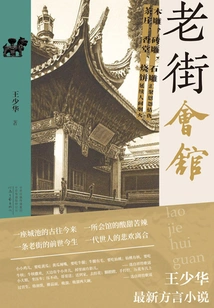
Old Street Guild Hall
General Fiction老街会馆
Wang Shaohua
An incense maker from Singapore, a young man who sells sesame seed cakes at home, and a teahouse owner who is full of publicity. Their lives have no intersection at all, but they are closely connected by a gorgeous ancient Shanshan-Gan guild hall with more than 200 years of history, a dilapidated Sanjin courtyard, and a legendary incense book from the Song Dynasty. The inheritance of skills of "incense making" and "brick carving, wood carving, and stone carving" links the love and hate between them, as well as their deep feelings for traditional skills, their hometown, and the old city.
An incense maker from Singapore, a young man who sells sesame seed cakes at home, and a teahouse owner who is full of publicity. Their lives have no intersection at all, but they are closely connected by a gorgeous ancient Shanshan-Gan guild hall with more than 200 years of history, a dilapidated Sanjin courtyard, and a legendary incense book from the Song Dynasty. The inheritance of skills of "incense making" and "brick carving, wood carving, and stone carving" links the love and hate between them, as well as their deep feelings for traditional skills, their hometown, and the old city.
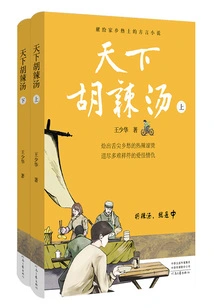
World Hot and Spicy Soup (2 Volumes in Total)
General Fiction天下胡辣汤(全2册)
Wang Shaohua
This is a full-length novel about Henan spicy soup. It is another masterpiece by Wang Shaohua, a representative writer of dialect literature. The novel begins during the Anti-Japanese War and ends in the early 21st century. It introduces the origin of spicy hot soup and tells the story of the three major schools of hot spicy soup in Xiangfu City, a "suffering place in the Central Plains", from divergence and opposition to integration and development. Finally, they worked together to bring hot spicy soup to the dining table of the banquet hall of the Great Hall of the People, making food for the poor a popular place. A bowl of spicy soup expresses the love and hatred of Henan people for their hometown, and depicts the cultural background of the Central Plains people's barbaric growth and perseverance.
This is a full-length novel about Henan spicy soup. It is another masterpiece by Wang Shaohua, a representative writer of dialect literature. The novel begins during the Anti-Japanese War and ends in the early 21st century. It introduces the origin of spicy hot soup and tells the story of the three major schools of hot spicy soup in Xiangfu City, a "suffering place in the Central Plains", from divergence and opposition to integration and development. Finally, they worked together to bring hot spicy soup to the dining table of the banquet hall of the Great Hall of the People, making food for the poor a popular place. A bowl of spicy soup expresses the love and hatred of Henan people for their hometown, and depicts the cultural background of the Central Plains people's barbaric growth and perseverance.
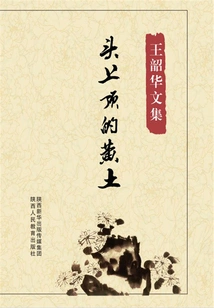
头上顶的黄土(王韶华文集)
Wang Shaohua
This collection of essays is first of all related to "loess", which is the "qi" quality contained in the works. On the one hand, loess gives people a sense of richness in life and a profound sense of history; on the other hand, the natural simplicity and true taste of loess becomes even more profound, especially when it is integrated into culture. Whether looking at the vicissitudes of the world, bowing to the local customs, or facing the joys and sorrows, some of them are grand discussions, and some of them are discussed in a few casual words, which can be called "loess articles".
This collection of essays is first of all related to "loess", which is the "qi" quality contained in the works. On the one hand, loess gives people a sense of richness in life and a profound sense of history; on the other hand, the natural simplicity and true taste of loess becomes even more profound, especially when it is integrated into culture. Whether looking at the vicissitudes of the world, bowing to the local customs, or facing the joys and sorrows, some of them are grand discussions, and some of them are discussed in a few casual words, which can be called "loess articles".