Library
Browse and search books
4 novels found
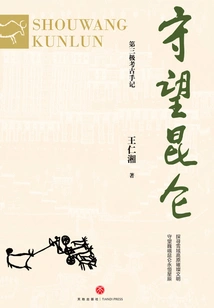
Watching Kunlun
History守望昆仑
Wang Renxiang
This book is an archaeological diary that records what was seen, heard, and thought during archaeological excavations on the "Third Pole" Qinghai-Tibet Plateau. As a popular book reflecting the archeology of the Qinghai-Tibet Plateau, the author uses more than ten essays and many intuitive physical pictures and vivid line drawings to present the first-hand field materials obtained during archaeological excavations in a simple and easy-to-understand manner. The pictures and texts are popular, vivid and vivid. It vividly and truly records his discoveries and feelings during the excavation of prehistoric cultural sites represented by the Qugong Site in Lhasa, Tibet and the Minhe Lajia Site in Qinghai. It also displays the long and profound history and culture and the splendid ancient civilization on the snow-covered plateau.
This book is an archaeological diary that records what was seen, heard, and thought during archaeological excavations on the "Third Pole" Qinghai-Tibet Plateau. As a popular book reflecting the archeology of the Qinghai-Tibet Plateau, the author uses more than ten essays and many intuitive physical pictures and vivid line drawings to present the first-hand field materials obtained during archaeological excavations in a simple and easy-to-understand manner. The pictures and texts are popular, vivid and vivid. It vividly and truly records his discoveries and feelings during the excavation of prehistoric cultural sites represented by the Qugong Site in Lhasa, Tibet and the Minhe Lajia Site in Qinghai. It also displays the long and profound history and culture and the splendid ancient civilization on the snow-covered plateau.
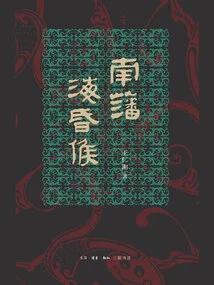
Nanfan Haihunhou
History南藩海昏侯
Wang Renxiang
"Nanfan Haihunhou" is a public archaeological work. The author continues to pay attention to the excavation and results release of Haihunhou's tomb. His research combines historical documentary records with unearthed cultural relics, and combines unearthed cultural relics with historical and cultural traditions. In reading, readers can not only understand the history of Haihunhou and the mid-Western Han Dynasty where he lived, but also learn about many material cultural traditions of ancient China (jades, bronzes, currency, food) and the world of ancient Chinese beliefs through unearthed cultural relics. Liu He's personal experience runs through the author's different research units, and various details of his life are also clearly presented to readers.
"Nanfan Haihunhou" is a public archaeological work. The author continues to pay attention to the excavation and results release of Haihunhou's tomb. His research combines historical documentary records with unearthed cultural relics, and combines unearthed cultural relics with historical and cultural traditions. In reading, readers can not only understand the history of Haihunhou and the mid-Western Han Dynasty where he lived, but also learn about many material cultural traditions of ancient China (jades, bronzes, currency, food) and the world of ancient Chinese beliefs through unearthed cultural relics. Liu He's personal experience runs through the author's different research units, and various details of his life are also clearly presented to readers.
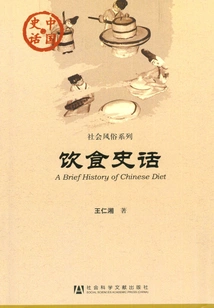
Food History
History饮食史话
Wang Renxiang
This book outlines the history of ancient Chinese food, starting from the prehistoric era of consuming hair and drinking blood to artificial fire, the emergence of agriculture and the invention of pottery cooking. It then describes the feasts of the historical era and the four major cuisines of the north and south. It examines the ancient concepts and methods of blending the five flavors, as well as the influence of foreign food culture traditions. There is also a general description of ancient dietary customs, ancient people's dietary functions and personnel, as well as dietary cultural etiquette and food and art traditions.
This book outlines the history of ancient Chinese food, starting from the prehistoric era of consuming hair and drinking blood to artificial fire, the emergence of agriculture and the invention of pottery cooking. It then describes the feasts of the historical era and the four major cuisines of the north and south. It examines the ancient concepts and methods of blending the five flavors, as well as the influence of foreign food culture traditions. There is also a general description of ancient dietary customs, ancient people's dietary functions and personnel, as well as dietary cultural etiquette and food and art traditions.
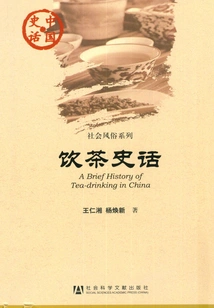
History of Tea Drinking
History饮茶史话
Wang Renxiang
The hometown of tea is in China. The Chinese use tea as medicine and pick tea for drinking. China was the first country to discover and utilize tea. It is also the country with the most developed tea science in ancient times. The hometown of tea science is also in China. The book begins with a talk about tea science, tea saints and the "Tea Classic", and covers tea tree cultivation, tea and Chinese culture, famous teas of the past, tribute tea, colorful fragrant tea, etc. It also describes the production of floral tea, and also introduces purple clay ware, rabbit hair cup, partridge spotted cup and other tea sets. It also provides an overview of tea art, teahouses and tea customs. Tea has changed the lives of Chinese people, nourished China, and also nourished the world.
The hometown of tea is in China. The Chinese use tea as medicine and pick tea for drinking. China was the first country to discover and utilize tea. It is also the country with the most developed tea science in ancient times. The hometown of tea science is also in China. The book begins with a talk about tea science, tea saints and the "Tea Classic", and covers tea tree cultivation, tea and Chinese culture, famous teas of the past, tribute tea, colorful fragrant tea, etc. It also describes the production of floral tea, and also introduces purple clay ware, rabbit hair cup, partridge spotted cup and other tea sets. It also provides an overview of tea art, teahouses and tea customs. Tea has changed the lives of Chinese people, nourished China, and also nourished the world.