Library
Browse and search books
3 novels found
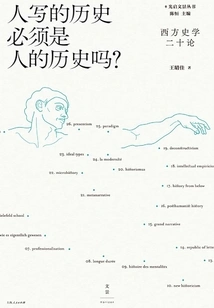
人写的历史必须是人的历史吗?:西方史学二十论
Wang Qingjia
"Does history written by people have to be people's history?" "Twenty Essays on Western Historiography" is a new work by the famous historian Mr. Wang Qingjia. The book contains 20 of his Chinese papers, covering a wide range of topics, ranging from ancient Greek history, reflections on Ranke's school, and Michel Foucault's historical thought, to recent research on the history of emotion, new cultural history, and "posthuman history" that aims to look forward to the future. "Does history written by people have to be people's history?" " Is divided into two parts. The first part deals with the tradition and transformation of Western historiography. The second part explores the development trend of Western historiography after the war, especially since the 1960s. The whole book provides an in-depth explanation of the emergence, characteristics and development of the modern historical tradition, and at the same time shows the new trend of current historical research.
"Does history written by people have to be people's history?" "Twenty Essays on Western Historiography" is a new work by the famous historian Mr. Wang Qingjia. The book contains 20 of his Chinese papers, covering a wide range of topics, ranging from ancient Greek history, reflections on Ranke's school, and Michel Foucault's historical thought, to recent research on the history of emotion, new cultural history, and "posthuman history" that aims to look forward to the future. "Does history written by people have to be people's history?" " Is divided into two parts. The first part deals with the tradition and transformation of Western historiography. The second part explores the development trend of Western historiography after the war, especially since the 1960s. The whole book provides an in-depth explanation of the emergence, characteristics and development of the modern historical tradition, and at the same time shows the new trend of current historical research.
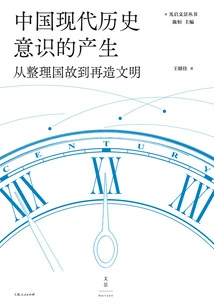
中国现代历史意识的产生:从整理国故到再造文明(光启文景丛书)
Wang Qingjia
This book collects a total of 16 discussions on the history of Chinese historiography by the famous historian Mr. Wang Qingjia. The period discussed in the article focuses on the transformation period of modern Chinese historiography in the 20th century. The author takes "the emergence of modern historical consciousness" as the core for understanding and grasping the innovation of Chinese history since the May 4th New Culture Movement. In addition to classic topics such as antiquity history, scientific history, post-colonialism, and post-modernism, some content also places Chinese historical research within global historiography for horizontal comparison, or uses new research methods to propose new solutions to old problems. This book is divided into two parts. The first part, "Ideological Trends and Characteristics," explores the overall turn and development trend of Chinese historiography in the 20th century. The second part, "Characters and Thoughts," focuses on many famous figures and schools in modern times and puts forward the author's unique personal insights.
This book collects a total of 16 discussions on the history of Chinese historiography by the famous historian Mr. Wang Qingjia. The period discussed in the article focuses on the transformation period of modern Chinese historiography in the 20th century. The author takes "the emergence of modern historical consciousness" as the core for understanding and grasping the innovation of Chinese history since the May 4th New Culture Movement. In addition to classic topics such as antiquity history, scientific history, post-colonialism, and post-modernism, some content also places Chinese historical research within global historiography for horizontal comparison, or uses new research methods to propose new solutions to old problems. This book is divided into two parts. The first part, "Ideological Trends and Characteristics," explores the overall turn and development trend of Chinese historiography in the 20th century. The second part, "Characters and Thoughts," focuses on many famous figures and schools in modern times and puts forward the author's unique personal insights.
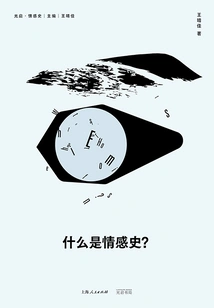
What is Emotional History?
History什么是情感史?
Wang Qingjia
Wang Qingjia, an expert in global historiography, uses emotional history as a method to open up a new perspective on understanding history. The history of emotions has become a new direction in contemporary historical research. It subverts many traditional historical concepts, from the dualism of nature, society, body and mind, to male-centered and Western-centered historical narratives. It also brings more reflections: What are historical facts? How to test the value of historical materials? Should historians take a moral stance? Does a historical narrative need to be coherent? ... This book is a collection of papers that Professor Wang Qingjia, an expert in world history and editor-in-chief of Guangqi Emotional History, has introduced, discussed and practiced the research on the history of emotion over the years. It systematically introduces the origin and development, theory and value of the history of emotion. On this basis, it uses case studies to discuss the above issues.
Wang Qingjia, an expert in global historiography, uses emotional history as a method to open up a new perspective on understanding history. The history of emotions has become a new direction in contemporary historical research. It subverts many traditional historical concepts, from the dualism of nature, society, body and mind, to male-centered and Western-centered historical narratives. It also brings more reflections: What are historical facts? How to test the value of historical materials? Should historians take a moral stance? Does a historical narrative need to be coherent? ... This book is a collection of papers that Professor Wang Qingjia, an expert in world history and editor-in-chief of Guangqi Emotional History, has introduced, discussed and practiced the research on the history of emotion over the years. It systematically introduces the origin and development, theory and value of the history of emotion. On this basis, it uses case studies to discuss the above issues.