Library
Browse and search books
2 novels found
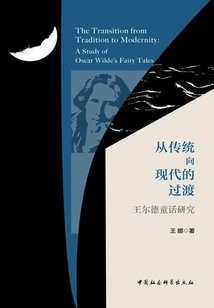
从传统向现代的过渡:王尔德童话研究
Wang Na
This book is the first domestic monograph on the study of Wilde's fairy tales. It summarizes the characteristics of fairy tales in the transition period from traditional fairy tales to modern fairy tales, and systematically studies the creative motivations, themes, literary images and narrative art of Wilde's fairy tales. The author believes that Oscar Wilde is a representative fairy tale writer in the transition process from traditional fairy tales to modern ones. His works reflect the distinction between traditional fairy tales and modern fairy tales, and have a historical position in the history of Western fairy tales as a link between the past and the future.
This book is the first domestic monograph on the study of Wilde's fairy tales. It summarizes the characteristics of fairy tales in the transition period from traditional fairy tales to modern fairy tales, and systematically studies the creative motivations, themes, literary images and narrative art of Wilde's fairy tales. The author believes that Oscar Wilde is a representative fairy tale writer in the transition process from traditional fairy tales to modern ones. His works reflect the distinction between traditional fairy tales and modern fairy tales, and have a historical position in the history of Western fairy tales as a link between the past and the future.
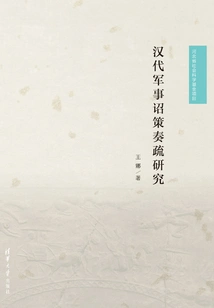
汉代军事诏策奏疏研究
Wang Na
In ancient China, the relationship between monarch and ministers was at the center of the governance system, and edicts and memorials were concentrated reflections of the quality of governance. The study of this book shows people the vivid appearance and unique status of the imperial edicts and memorials of the Han Dynasty: they are broad and profound in content, rich in form, and powerful and elegant in writing. This was an era when Chinese imperial edicts and memorials became mature and finalized, establishing valuable experiences and lessons for future generations of exchanges and interactions between monarchs and ministers. First of all, the imperial edicts and memorials of the Han Dynasty may become a model for contemporary China on how to assess the situation and absorb advanced foreign culture and traditional excellent culture. The Han Dynasty absorbed the Qin Dynasty's governance method of supremacy of law and exclusive respect for magic. In the early days, it tried out the "Huang-Lao's rule" of recuperating, being modest and conservative, which led to the prosperity of Wenjing's rule. However, Dong Zhongshu saw the hidden truths in it. In the face of a cultural crisis that was inconsistent with the high degree of centralization, Emperor Wu of the Han Dynasty adopted his suggestion of "deposing hundreds of schools of thought and respecting Confucianism alone", creating a cultural pattern and governance method that "advocated the law and respected Confucianism" in Chinese history and stabilized it for 2,000 years. Secondly, the imperial edicts and memorials of the Han Dynasty can provide inspiration for China's complementary strategies of "war" and "peace" in contemporary border troubles. The imperial edicts and memorials of the Han Dynasty listed in this book clearly show the two strategies of the Han Dynasty in dealing with the Huns and the South Vietnamese border troubles. Emperor Wu of the Han Dynasty had the most imperial edicts. Many of the imperial edicts were righteous and strict, and expressed the subtle meaning of resisting the invasion, such as the "Edict to Attack the Xiongnu": "I have decorated my children to match the Chanyu, and I have given them rich coins, silk, brocade, and rich bribes. The Chanyu is on standby, and he invades and robs without end. The borders are frightened, and I am very interested in them. Now I want to raise my troops to attack them." "Yi Feng Wei Qing" edict: "The Huns defy the laws of nature, mess with human relations, violently abuse their elders, and use theft as a crime To do this, he deceived the barbarians and created conspirators to cause harm to the frontiers. Therefore, he mobilized troops and sent generals to attack the enemy. "In addition to conquests and attacks, there were also many imperial edicts and memorials involving peaceful methods such as peace, courtesy, and defense. For example, Emperor Xuan of the Han Dynasty's "Edict to Treat Shan Yu with Courtesy": "I heard that the five emperors and three kings did not apply their teachings, and they are not good enough for government. Today, the Xiongnu Chanyu is called Beifang, and he is going to Zhengshuo. If I don't catch him, his virtue cannot be spread. He treats them with courtesy, and makes the Chanyu sit on the throne of the princes and kings. He praises and calls his ministers without being named." There are more memorials in this regard by princes, kings and ministers, such as Huainan King Liu An's "A Letter to Admonish the Attack on South Vietnam", Han Anguo's "Xiongnu Reconciliation", Dong Zhongshu's "On the Control of the Huns", Zhu Fuyan's "A Letter to Admonish the Attack on the Huns", etc. These may serve as references for contemporary China in dealing with its peripheral relations.
In ancient China, the relationship between monarch and ministers was at the center of the governance system, and edicts and memorials were concentrated reflections of the quality of governance. The study of this book shows people the vivid appearance and unique status of the imperial edicts and memorials of the Han Dynasty: they are broad and profound in content, rich in form, and powerful and elegant in writing. This was an era when Chinese imperial edicts and memorials became mature and finalized, establishing valuable experiences and lessons for future generations of exchanges and interactions between monarchs and ministers. First of all, the imperial edicts and memorials of the Han Dynasty may become a model for contemporary China on how to assess the situation and absorb advanced foreign culture and traditional excellent culture. The Han Dynasty absorbed the Qin Dynasty's governance method of supremacy of law and exclusive respect for magic. In the early days, it tried out the "Huang-Lao's rule" of recuperating, being modest and conservative, which led to the prosperity of Wenjing's rule. However, Dong Zhongshu saw the hidden truths in it. In the face of a cultural crisis that was inconsistent with the high degree of centralization, Emperor Wu of the Han Dynasty adopted his suggestion of "deposing hundreds of schools of thought and respecting Confucianism alone", creating a cultural pattern and governance method that "advocated the law and respected Confucianism" in Chinese history and stabilized it for 2,000 years. Secondly, the imperial edicts and memorials of the Han Dynasty can provide inspiration for China's complementary strategies of "war" and "peace" in contemporary border troubles. The imperial edicts and memorials of the Han Dynasty listed in this book clearly show the two strategies of the Han Dynasty in dealing with the Huns and the South Vietnamese border troubles. Emperor Wu of the Han Dynasty had the most imperial edicts. Many of the imperial edicts were righteous and strict, and expressed the subtle meaning of resisting the invasion, such as the "Edict to Attack the Xiongnu": "I have decorated my children to match the Chanyu, and I have given them rich coins, silk, brocade, and rich bribes. The Chanyu is on standby, and he invades and robs without end. The borders are frightened, and I am very interested in them. Now I want to raise my troops to attack them." "Yi Feng Wei Qing" edict: "The Huns defy the laws of nature, mess with human relations, violently abuse their elders, and use theft as a crime To do this, he deceived the barbarians and created conspirators to cause harm to the frontiers. Therefore, he mobilized troops and sent generals to attack the enemy. "In addition to conquests and attacks, there were also many imperial edicts and memorials involving peaceful methods such as peace, courtesy, and defense. For example, Emperor Xuan of the Han Dynasty's "Edict to Treat Shan Yu with Courtesy": "I heard that the five emperors and three kings did not apply their teachings, and they are not good enough for government. Today, the Xiongnu Chanyu is called Beifang, and he is going to Zhengshuo. If I don't catch him, his virtue cannot be spread. He treats them with courtesy, and makes the Chanyu sit on the throne of the princes and kings. He praises and calls his ministers without being named." There are more memorials in this regard by princes, kings and ministers, such as Huainan King Liu An's "A Letter to Admonish the Attack on South Vietnam", Han Anguo's "Xiongnu Reconciliation", Dong Zhongshu's "On the Control of the Huns", Zhu Fuyan's "A Letter to Admonish the Attack on the Huns", etc. These may serve as references for contemporary China in dealing with its peripheral relations.