Library
Browse and search books
3 novels found

The Night of October 16th
Short Fiction10月16日的夜晚
Wang Lixin
Come to China Literature's website to read more of my works!
Come to China Literature's website to read more of my works!
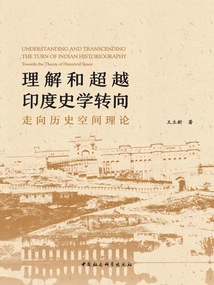
Understanding and Beyond the Indian Historiographical Turn: Toward a Theory of Historical Space
History理解和超越印度史学转向:走向历史空间理论
Wang Lixin
This book was revised by the author from the 2015 National Social Science Foundation project "Research on Early Modern Agricultural Society in India from the Perspective of Tribal Social Theory". In the academic context of the turn of Indian historiography in contemporary international academic circles, this book comprehensively and meticulously examines the different interpretations of orthodox Indian historiography and new Indian historiography on early modern agricultural society in India and the Mughal Empire, and creatively proposes a theory of historical space. In addition, the author further examines the historical issues of orthodox Indian historiography and new Indian historiography, and analyzes the specific historical context of the emergence of orthodox Indian historiography and new Indian historiography from the perspective of intellectual history. This book is the first monographic work on the turn of Indian history in domestic academic circles. Its publication will greatly update our knowledge of Indian history and have a profound impact on the research on Indian history in domestic academic circles.
This book was revised by the author from the 2015 National Social Science Foundation project "Research on Early Modern Agricultural Society in India from the Perspective of Tribal Social Theory". In the academic context of the turn of Indian historiography in contemporary international academic circles, this book comprehensively and meticulously examines the different interpretations of orthodox Indian historiography and new Indian historiography on early modern agricultural society in India and the Mughal Empire, and creatively proposes a theory of historical space. In addition, the author further examines the historical issues of orthodox Indian historiography and new Indian historiography, and analyzes the specific historical context of the emergence of orthodox Indian historiography and new Indian historiography from the perspective of intellectual history. This book is the first monographic work on the turn of Indian history in domestic academic circles. Its publication will greatly update our knowledge of Indian history and have a profound impact on the research on Indian history in domestic academic circles.
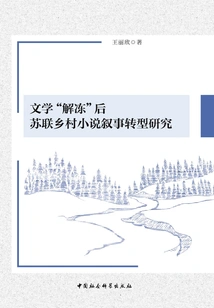
A Study on the Narrative Transformation of Post-soviet Rural Novels after the Literary "thaw
Literature文学“解冻”后苏联乡村小说叙事转型研究
Wang Lixin
This book focuses on the narrative characteristics of rural novels after the "thawing" of Soviet literature in the 20th century, classifies and studies the narrative types of novels, and uses a variety of methods to explore the narrative transformation of rural novels. This book analyzes the historical and cultural roots of rural novels, the creative context and the changes in the writer's thoughts, the changes in image narrative, the evolution of narrative focus, hypothetical narrative and spatial narrative. It shows the modern transformation of rural novel narrative techniques based on realism and illustrates the Russian literary tradition that rural novel writers have always adhered to while pursuing the diversity of narrative art, that is, concern for human existence, morality and ethics, and the destiny of the country and the nation.
This book focuses on the narrative characteristics of rural novels after the "thawing" of Soviet literature in the 20th century, classifies and studies the narrative types of novels, and uses a variety of methods to explore the narrative transformation of rural novels. This book analyzes the historical and cultural roots of rural novels, the creative context and the changes in the writer's thoughts, the changes in image narrative, the evolution of narrative focus, hypothetical narrative and spatial narrative. It shows the modern transformation of rural novel narrative techniques based on realism and illustrates the Russian literary tradition that rural novel writers have always adhered to while pursuing the diversity of narrative art, that is, concern for human existence, morality and ethics, and the destiny of the country and the nation.