Library
Browse and search novels
4 novels found
诗经通释·颂
Wang Jingzhi
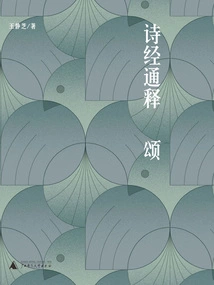
The Book of Songs is the first collection of poetry in Chinese history. It is the source of Chinese literary and poetic aesthetics and the starting point for understanding the spirit and flavor of traditional Chinese culture. This book is a detailed explanation of the Book of Songs. It starts with an introduction that explains the basic methods of reading poems, and then includes the full text of the Book of Songs. Each poem also includes the original text, poetic purpose, phonetic notation, word meaning, chapter and sentence explanations, old annotations, literary appreciation, etc. The annotations are detailed and can be used as a reference book for reading, learning and retrieval by readers of different levels and needs. The Book of Songs has existed for a long time and has many annotated versions. There are many differences in previous interpretations. Professor Wang Jingzhi, the author of this book, had an outstanding reputation in Taiwan's academic and educational circles in the second half of the 20th century. He had taught at Fu Jen Catholic University for a long time and served successively as the director of the Department of Chinese Literature and the director of the Institute of Chinese Studies. He has studied classics and history for decades, taking it as his own duty to pass on the classics and continue the cultural context. He has collected the results of his lifelong poetry writing in this book. "Words and sentences are explained throughout the whole chapter, simple meanings are explained briefly, and strive to be clear." He hopes to provide "beginners and self-study" with a simple and easy way to get a glimpse of the foundation of the classics and the beauty of the history of poetry. It is a classic work that helps today's readers and scholars understand the full picture of the "Book of Songs".
The Book of Songs is the first collection of poetry in Chinese history. It is the source of Chinese literary and poetic aesthetics and the starting point for understanding the spirit and flavor of traditional Chinese culture. This book is a detailed explanation of the Book of Songs. It starts with an introduction that explains the basic methods of reading poems, and then includes the full text of the Book of Songs. Each poem also includes the original text, poetic purpose, phonetic notation, word meaning, chapter and sentence explanations, old annotations, literary appreciation, etc. The annotations are detailed and can be used as a reference book for reading, learning and retrieval by readers of different levels and needs. The Book of Songs has existed for a long time and has many annotated versions. There are many differences in previous interpretations. Professor Wang Jingzhi, the author of this book, had an outstanding reputation in Taiwan's academic and educational circles in the second half of the 20th century. He had taught at Fu Jen Catholic University for a long time and served successively as the director of the Department of Chinese Literature and the director of the Institute of Chinese Studies. He has studied classics and history for decades, taking it as his own duty to pass on the classics and continue the cultural context. He has collected the results of his lifelong poetry writing in this book. "Words and sentences are explained throughout the whole chapter, simple meanings are explained briefly, and strive to be clear." He hopes to provide "beginners and self-study" with a simple and easy way to get a glimpse of the foundation of the classics and the beauty of the history of poetry. It is a classic work that helps today's readers and scholars understand the full picture of the "Book of Songs".
The Book of Songs Tongshi·ya
Literature诗经通释·雅
Wang Jingzhi
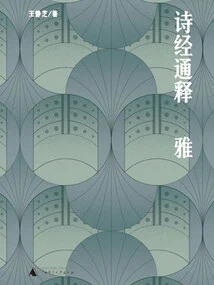
The Book of Songs is the first collection of poetry in Chinese history. It is the source of Chinese literary and poetic aesthetics and the starting point for understanding the spirit and flavor of traditional Chinese culture. This book is a detailed explanation of the Book of Songs. It starts with an introduction that explains the basic methods of reading poems, and then includes the full text of the Book of Songs. Each poem also includes the original text, poetic purpose, phonetic notation, word meaning, chapter and sentence explanations, old annotations, literary appreciation, etc. The annotations are detailed and can be used as a reference book for reading, learning and retrieval by readers of different levels and needs. The Book of Songs has existed for a long time and has many annotated versions. There are many differences in previous interpretations. Professor Wang Jingzhi, the author of this book, had an outstanding reputation in Taiwan's academic and educational circles in the second half of the 20th century. He had taught at Fu Jen Catholic University for a long time and served successively as the director of the Department of Chinese Literature and the director of the Institute of Chinese Studies. He has studied classics and history for decades, taking it as his own duty to pass on the classics and continue the cultural context. He has collected the results of his lifelong poetry writing in this book. "Words and sentences are explained throughout the whole chapter, simple meanings are explained briefly, and strive to be clear." He hopes to provide "beginners and self-study" with a simple and easy way to get a glimpse of the foundation of the classics and the beauty of the history of poetry. It is a classic work that helps today's readers and scholars understand the full picture of the "Book of Songs".
The Book of Songs is the first collection of poetry in Chinese history. It is the source of Chinese literary and poetic aesthetics and the starting point for understanding the spirit and flavor of traditional Chinese culture. This book is a detailed explanation of the Book of Songs. It starts with an introduction that explains the basic methods of reading poems, and then includes the full text of the Book of Songs. Each poem also includes the original text, poetic purpose, phonetic notation, word meaning, chapter and sentence explanations, old annotations, literary appreciation, etc. The annotations are detailed and can be used as a reference book for reading, learning and retrieval by readers of different levels and needs. The Book of Songs has existed for a long time and has many annotated versions. There are many differences in previous interpretations. Professor Wang Jingzhi, the author of this book, had an outstanding reputation in Taiwan's academic and educational circles in the second half of the 20th century. He had taught at Fu Jen Catholic University for a long time and served successively as the director of the Department of Chinese Literature and the director of the Institute of Chinese Studies. He has studied classics and history for decades, taking it as his own duty to pass on the classics and continue the cultural context. He has collected the results of his lifelong poetry writing in this book. "Words and sentences are explained throughout the whole chapter, simple meanings are explained briefly, and strive to be clear." He hopes to provide "beginners and self-study" with a simple and easy way to get a glimpse of the foundation of the classics and the beauty of the history of poetry. It is a classic work that helps today's readers and scholars understand the full picture of the "Book of Songs".
The Book of Songs Tongshi·feng
Literature诗经通释·风
Wang Jingzhi
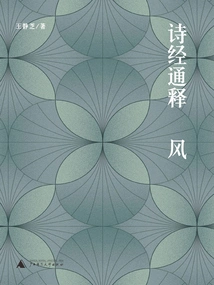
The Book of Songs is the first collection of poetry in Chinese history. It is the source of Chinese literary and poetic aesthetics and the starting point for understanding the spirit and flavor of traditional Chinese culture. This book is a detailed explanation of the Book of Songs. It starts with an introduction that explains the basic methods of reading poems, and then includes the full text of the Book of Songs. Each poem also includes the original text, poetic purpose, phonetic notation, word meaning, chapter and sentence explanations, old annotations, literary appreciation, etc. The annotations are detailed and can be used as a reference book for reading, learning and retrieval by readers of different levels and needs. The Book of Songs has existed for a long time and has many annotated versions. There are many differences in previous interpretations. Professor Wang Jingzhi, the author of this book, had an outstanding reputation in Taiwan's academic and educational circles in the second half of the 20th century. He had taught at Fu Jen Catholic University for a long time and served successively as the director of the Department of Chinese Literature and the director of the Institute of Chinese Studies. He has studied classics and history for decades, taking it as his own duty to pass on the classics and continue the cultural context. He has collected the results of his lifelong poetry writing in this book. "Words and sentences are explained throughout the whole chapter, simple meanings are explained briefly, and strive to be clear." He hopes to provide "beginners and self-study" with a simple and easy way to get a glimpse of the foundation of the classics and the beauty of the history of poetry. It is a classic work that helps today's readers and scholars understand the full picture of the "Book of Songs".
The Book of Songs is the first collection of poetry in Chinese history. It is the source of Chinese literary and poetic aesthetics and the starting point for understanding the spirit and flavor of traditional Chinese culture. This book is a detailed explanation of the Book of Songs. It starts with an introduction that explains the basic methods of reading poems, and then includes the full text of the Book of Songs. Each poem also includes the original text, poetic purpose, phonetic notation, word meaning, chapter and sentence explanations, old annotations, literary appreciation, etc. The annotations are detailed and can be used as a reference book for reading, learning and retrieval by readers of different levels and needs. The Book of Songs has existed for a long time and has many annotated versions. There are many differences in previous interpretations. Professor Wang Jingzhi, the author of this book, had an outstanding reputation in Taiwan's academic and educational circles in the second half of the 20th century. He had taught at Fu Jen Catholic University for a long time and served successively as the director of the Department of Chinese Literature and the director of the Institute of Chinese Studies. He has studied classics and history for decades, taking it as his own duty to pass on the classics and continue the cultural context. He has collected the results of his lifelong poetry writing in this book. "Words and sentences are explained throughout the whole chapter, simple meanings are explained briefly, and strive to be clear." He hopes to provide "beginners and self-study" with a simple and easy way to get a glimpse of the foundation of the classics and the beauty of the history of poetry. It is a classic work that helps today's readers and scholars understand the full picture of the "Book of Songs".
诗经通释(全三册)
Wang Jingzhi
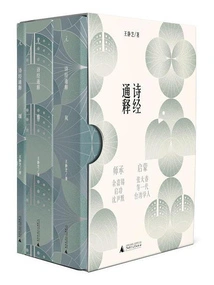
The Book of Songs is the first collection of poetry in Chinese history. It is the source of Chinese literary and poetic aesthetics and the starting point for understanding the spirit and flavor of traditional Chinese culture. This book is a detailed explanation of the Book of Songs. It starts with an introduction that explains the basic methods of reading poems, and then includes the full text of the Book of Songs. Each poem also includes the original text, poetic purpose, phonetic notation, word meaning, chapter and sentence explanations, old annotations, literary appreciation, etc. The annotations are detailed and can be used as a reference book for reading, learning and retrieval by readers of different levels and needs. The Book of Songs has existed for a long time and has many annotated versions. There are many differences in previous interpretations. Professor Wang Jingzhi, the author of this book, had an outstanding reputation in Taiwan's academic and educational circles in the second half of the 20th century. He had taught at Fu Jen Catholic University for a long time and served successively as the director of the Department of Chinese Literature and the director of the Institute of Chinese Studies. He has studied classics and history for decades, taking it as his own duty to pass on the classics and continue the cultural context. He has collected the results of his lifelong poetry writing in this book. "Words and sentences are explained throughout the whole chapter, simple meanings are explained briefly, and strive to be clear." He hopes to provide "beginners and self-study" with a simple and easy way to get a glimpse of the foundation of the classics and the beauty of the history of poetry. It is a classic work that helps today's readers and scholars understand the full picture of the "Book of Songs".
The Book of Songs is the first collection of poetry in Chinese history. It is the source of Chinese literary and poetic aesthetics and the starting point for understanding the spirit and flavor of traditional Chinese culture. This book is a detailed explanation of the Book of Songs. It starts with an introduction that explains the basic methods of reading poems, and then includes the full text of the Book of Songs. Each poem also includes the original text, poetic purpose, phonetic notation, word meaning, chapter and sentence explanations, old annotations, literary appreciation, etc. The annotations are detailed and can be used as a reference book for reading, learning and retrieval by readers of different levels and needs. The Book of Songs has existed for a long time and has many annotated versions. There are many differences in previous interpretations. Professor Wang Jingzhi, the author of this book, had an outstanding reputation in Taiwan's academic and educational circles in the second half of the 20th century. He had taught at Fu Jen Catholic University for a long time and served successively as the director of the Department of Chinese Literature and the director of the Institute of Chinese Studies. He has studied classics and history for decades, taking it as his own duty to pass on the classics and continue the cultural context. He has collected the results of his lifelong poetry writing in this book. "Words and sentences are explained throughout the whole chapter, simple meanings are explained briefly, and strive to be clear." He hopes to provide "beginners and self-study" with a simple and easy way to get a glimpse of the foundation of the classics and the beauty of the history of poetry. It is a classic work that helps today's readers and scholars understand the full picture of the "Book of Songs".