Library
Browse and search books
3 novels found
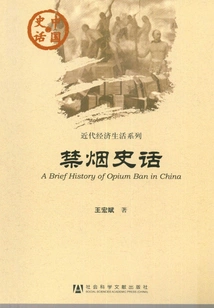
History of the Smoking Ban
History禁烟史话
Wang Hongbin
The serious harm caused by opium to Chinese society began during the Jiaqing and Daoguang years of the Qing Dynasty. Britain had a monopoly on opium production in the East India Company, with the main purpose of exporting it, using China as an opium dumping market. The Qing government first implemented the smoking ban in the seventh year of Yongzheng (1729), and in the eighteenth year of Daoguang (1838) it appointed Lin Zexu as the imperial envoy to Guangdong to investigate the smoking ban, which finally led to the outbreak of the Opium War. After the Second Opium War, the Qing government was forced to agree to legalize the opium trade, further deepening the crisis in Chinese society. After the Revolution of 1911, Sun Yat-sen issued a smoking ban. The anti-smoking campaign in the early years of the Republic of China was the largest anti-opium campaign since the eradication of opium in Humen, with remarkable results. But after that, warlords fought for years, and tobacco and drugs became widespread again. Until the founding of New China, opium and tobacco poisoning were quickly eliminated in mainland China.
The serious harm caused by opium to Chinese society began during the Jiaqing and Daoguang years of the Qing Dynasty. Britain had a monopoly on opium production in the East India Company, with the main purpose of exporting it, using China as an opium dumping market. The Qing government first implemented the smoking ban in the seventh year of Yongzheng (1729), and in the eighteenth year of Daoguang (1838) it appointed Lin Zexu as the imperial envoy to Guangdong to investigate the smoking ban, which finally led to the outbreak of the Opium War. After the Second Opium War, the Qing government was forced to agree to legalize the opium trade, further deepening the crisis in Chinese society. After the Revolution of 1911, Sun Yat-sen issued a smoking ban. The anti-smoking campaign in the early years of the Republic of China was the largest anti-opium campaign since the eradication of opium in Humen, with remarkable results. But after that, warlords fought for years, and tobacco and drugs became widespread again. Until the founding of New China, opium and tobacco poisoning were quickly eliminated in mainland China.
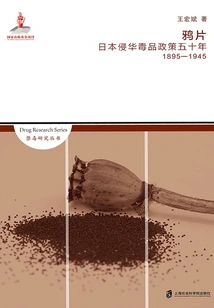
鸦片:日本侵华毒品政策五十年(1895-1945)
Wang Hongbin
From the Japanese invasion of Taiwan in 1895 to the Japanese Emperor's unconditional surrender in 1945, for half a century, the Japanese aggressors carried out an insidious and vicious policy of poisoning in the Chinese occupied areas in a planned, organized and step-by-step manner. The implementation of this poisoning policy had two evil purposes: one was to plunder social wealth through the open peddling of opium, morphine and heroin and use poison to support war; the other was to anesthetize the Chinese people to the maximum extent so as to reduce their resistance to the invaders and achieve the effect of strengthening colonial rule. The judgment of the International Military Tribunal for the Far East clearly states that Japan's opium monopoly agency\
From the Japanese invasion of Taiwan in 1895 to the Japanese Emperor's unconditional surrender in 1945, for half a century, the Japanese aggressors carried out an insidious and vicious policy of poisoning in the Chinese occupied areas in a planned, organized and step-by-step manner. The implementation of this poisoning policy had two evil purposes: one was to plunder social wealth through the open peddling of opium, morphine and heroin and use poison to support war; the other was to anesthetize the Chinese people to the maximum extent so as to reduce their resistance to the invaders and achieve the effect of strengthening colonial rule. The judgment of the International Military Tribunal for the Far East clearly states that Japan's opium monopoly agency\
鸦片:日本侵华毒品政策五十年(1895至1945)(谷臻小简·AI导读版)
Wang Hongbin
Using opium as a weapon, Japan committed state crimes against China. This book exposes the unknown Japanese drug policies in China, including Japan's "gradual ban" policy on opium in Taiwan, Japan's opium control over Manchukuo, and Japan's opium control over North China.
Using opium as a weapon, Japan committed state crimes against China. This book exposes the unknown Japanese drug policies in China, including Japan's "gradual ban" policy on opium in Taiwan, Japan's opium control over Manchukuo, and Japan's opium control over North China.