Library
Browse and search books
1 novel found
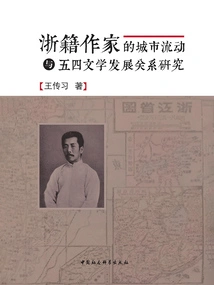
浙籍作家的城市流动与五四文学发展关系研究
Wang Chuanxi
The May Fourth Movement was an era of social and cultural transformation in China, and it was also a period of high-frequency intellectual mobility. Writers from Zhejiang broke the tradition of relocating to their homeland, inherited the legacy of leaving the capital and going abroad in modern times, and introduced the new movement of the May Fourth movement, becoming a powerful force in the new literary world. From the regional and urban spatial dimensions, this book uses methods such as human geography, urban sociology and cultural studies to deeply explain the historical origins, geographical conditions and modern characteristics of Zhejiang writers' urban mobility. It draws a detailed road map to show the dynamic trajectories of traveling from one place to another, leaving and tired travel, traveling alone and gathering together, and clarifies the difference between urban mobility and ancient travel, wandering and war displacement. This book focuses on exploring the inner relationship between Zhejiang writers' urban mobility and the development of new literature, revealing the profound impact of their mobility behavior on the identity transformation of writers; the powerful promotion of new literature groups and societies through the convergence of rural, academic, and professional connections; the role of urban mobility in promoting the absorption and digestion of the enlightenment spirit by new literature writers; and the pioneering significance of mobility experience in new literary narratives and aesthetic paradigms. These conclusions highlight the historical grace of Zhejiang writers in inheriting the past and opening up new paths in cultural transformation. They help summarize the unique experiences Zhejiang writers have brought to the development of new literature in China, and provide useful inspiration for understanding the flow of writers and the construction of literature in the new era.
The May Fourth Movement was an era of social and cultural transformation in China, and it was also a period of high-frequency intellectual mobility. Writers from Zhejiang broke the tradition of relocating to their homeland, inherited the legacy of leaving the capital and going abroad in modern times, and introduced the new movement of the May Fourth movement, becoming a powerful force in the new literary world. From the regional and urban spatial dimensions, this book uses methods such as human geography, urban sociology and cultural studies to deeply explain the historical origins, geographical conditions and modern characteristics of Zhejiang writers' urban mobility. It draws a detailed road map to show the dynamic trajectories of traveling from one place to another, leaving and tired travel, traveling alone and gathering together, and clarifies the difference between urban mobility and ancient travel, wandering and war displacement. This book focuses on exploring the inner relationship between Zhejiang writers' urban mobility and the development of new literature, revealing the profound impact of their mobility behavior on the identity transformation of writers; the powerful promotion of new literature groups and societies through the convergence of rural, academic, and professional connections; the role of urban mobility in promoting the absorption and digestion of the enlightenment spirit by new literature writers; and the pioneering significance of mobility experience in new literary narratives and aesthetic paradigms. These conclusions highlight the historical grace of Zhejiang writers in inheriting the past and opening up new paths in cultural transformation. They help summarize the unique experiences Zhejiang writers have brought to the development of new literature in China, and provide useful inspiration for understanding the flow of writers and the construction of literature in the new era.