Library
Browse and search books
5 novels found
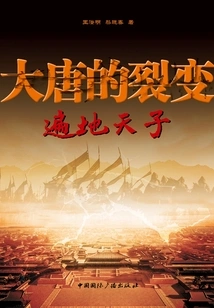
The Fission of the Tang Dynasty and the Emperors Everywhere
General Fiction大唐的裂变 遍地天子
Wang Chengming Li Xiaochun
Zhu Wen usurped the Tang Dynasty to establish himself and attacked the princes, making Hedong the center of various forces dissatisfied with Zhu Wen. In addition, Zhu Wen's successor was incompetent, and the people within the Houliang Group were also disorganized. However, Li Keyong and his successor Li Cunxu followed the trend and followed the trend. They always appeared as allies to revive the Tang Dynasty and the feudal towns, and thus became stronger. As the saying goes: Hedong was defeated and besieged for a while, but it eventually recovered; Zhuliang was strong for a while, but eventually fell. During this period, Wang Jian, Liu Shouguang, Liu Yan, and Yang Longyan proclaimed themselves emperors successively and established the former Shu, Dayan, Southern Han, and Wu separatist regimes respectively, and the world entered the era of "Emperors everywhere".
Zhu Wen usurped the Tang Dynasty to establish himself and attacked the princes, making Hedong the center of various forces dissatisfied with Zhu Wen. In addition, Zhu Wen's successor was incompetent, and the people within the Houliang Group were also disorganized. However, Li Keyong and his successor Li Cunxu followed the trend and followed the trend. They always appeared as allies to revive the Tang Dynasty and the feudal towns, and thus became stronger. As the saying goes: Hedong was defeated and besieged for a while, but it eventually recovered; Zhuliang was strong for a while, but eventually fell. During this period, Wang Jian, Liu Shouguang, Liu Yan, and Yang Longyan proclaimed themselves emperors successively and established the former Shu, Dayan, Southern Han, and Wu separatist regimes respectively, and the world entered the era of "Emperors everywhere".
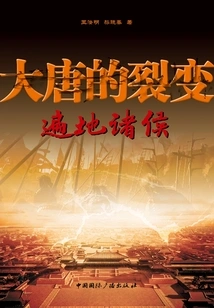
The Fission of the Tang Dynasty and the Princes Everywhere
General Fiction大唐的裂变 遍地诸侯
Wang Chengming Li Xiaochun
In the sixteen years from 891 to 907, the Tang Dynasty existed in name only. Although the various princes still nominally worshiped the Zhengshuo of the Tang Dynasty, they actually became powerful under the banner of King Qin. After differentiation and integration, twelve powerful vassal towns were gradually formed in the world, known as the "Twelve Star Lords". In 907, Zhu Wen, one of the Twelve Star Kings, abolished the Tang Dynasty and established himself. The other towns were intimidated by his power and mostly paid tribute to Zhu Wen. Only the four towns of Hedong, Fengxiang, Huainan and Shu did not recognize his reign name.
In the sixteen years from 891 to 907, the Tang Dynasty existed in name only. Although the various princes still nominally worshiped the Zhengshuo of the Tang Dynasty, they actually became powerful under the banner of King Qin. After differentiation and integration, twelve powerful vassal towns were gradually formed in the world, known as the "Twelve Star Lords". In 907, Zhu Wen, one of the Twelve Star Kings, abolished the Tang Dynasty and established himself. The other towns were intimidated by his power and mostly paid tribute to Zhu Wen. Only the four towns of Hedong, Fengxiang, Huainan and Shu did not recognize his reign name.
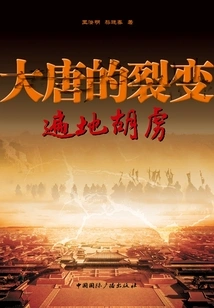
The Fission of the Tang Dynasty and Barbarians Everywhere
General Fiction大唐的裂变 遍地胡虏
Wang Chengming Li Xiaochun
After the Later Tang Dynasty, which was born in Shatuo, destroyed Zhu Liang, it basically unified the north and created a stable situation with the hard work of two emperors, Zhuangzong Li Cunxu and Mingzong Li Siyuan. However, with the death of Li Siyuan, the power of the Later Tang Dynasty fell away, and unconcealed centrifugal tendencies arose in various places, especially Shi Jingtang. In order to be independent, he did not hesitate to lead the Khitan army into the Central Plains at the expense of the "Sixteen Prefectures of Yanyun", and eventually replaced the Later Tang Dynasty and established the Later Jin Dynasty. At this stage, ethnic minorities became the protagonists on the stage of the Central Plains. While they brought war to the Central Plains, they also injected fresh blood into the Chinese nation.
After the Later Tang Dynasty, which was born in Shatuo, destroyed Zhu Liang, it basically unified the north and created a stable situation with the hard work of two emperors, Zhuangzong Li Cunxu and Mingzong Li Siyuan. However, with the death of Li Siyuan, the power of the Later Tang Dynasty fell away, and unconcealed centrifugal tendencies arose in various places, especially Shi Jingtang. In order to be independent, he did not hesitate to lead the Khitan army into the Central Plains at the expense of the "Sixteen Prefectures of Yanyun", and eventually replaced the Later Tang Dynasty and established the Later Jin Dynasty. At this stage, ethnic minorities became the protagonists on the stage of the Central Plains. While they brought war to the Central Plains, they also injected fresh blood into the Chinese nation.
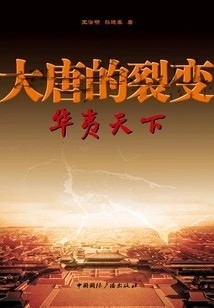
The Fission of the Tang Dynasty Huayi Tianxia
General Fiction大唐的裂变 华夷天下
Wang Chengming Li Xiaochun
After Shi Jingtang died, his son Shi Chonggui was ashamed to surrender to the Liao people and went to war with the Liao people. However, due to improper employment of people, the Liao people were able to go south to invade China. Liu Zhiyuan took the opportunity to establish the Later Han Dynasty in Taiyuan, then drove away the Liao people and took control of the Central Plains. After Liu Zhiyuan's death, his son mishandled the situation, and Guo Wei seized the throne and established the Later Zhou Dynasty. After Guo Wei's death, his adopted son Chai Rong worked hard to conquer the Later Shu and Southern Tang Dynasties, and then successively defeated the Liao Kingdom. Just when he was about to recapture the "Sixteen Prefectures of Yanyun", he fell seriously ill and died. Zhao Kuangyin, the commander of the Forbidden Army, took the opportunity to usurp the Zhou Dynasty and ushered in a new era.
After Shi Jingtang died, his son Shi Chonggui was ashamed to surrender to the Liao people and went to war with the Liao people. However, due to improper employment of people, the Liao people were able to go south to invade China. Liu Zhiyuan took the opportunity to establish the Later Han Dynasty in Taiyuan, then drove away the Liao people and took control of the Central Plains. After Liu Zhiyuan's death, his son mishandled the situation, and Guo Wei seized the throne and established the Later Zhou Dynasty. After Guo Wei's death, his adopted son Chai Rong worked hard to conquer the Later Shu and Southern Tang Dynasties, and then successively defeated the Liao Kingdom. Just when he was about to recapture the "Sixteen Prefectures of Yanyun", he fell seriously ill and died. Zhao Kuangyin, the commander of the Forbidden Army, took the opportunity to usurp the Zhou Dynasty and ushered in a new era.
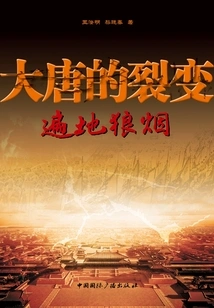
The Fission of the Tang Dynasty and the Smoke Everywhere
General Fiction大唐的裂变 遍地狼烟
Wang Chengming Li Xiaochun
In the ruined Tang Dynasty, the world is filled with smoke. The Huangchao Rebellion, which ravaged half of the Tang Dynasty, led to the decline of national power in the late Tang Dynasty. From then on, the imperial court was no longer able to control the vassal towns. This manuscript begins with Zhu Wen's surrender to the Tang Dynasty, describing the gradual decline of the Tang Dynasty, the political chaos in which the princes from all over the country supported their own troops and the world was fragmented. The manuscript adopts a chronological style and is engraved from multiple angles to panoramically display the complex and chaotic scene of the late Tang Dynasty.
In the ruined Tang Dynasty, the world is filled with smoke. The Huangchao Rebellion, which ravaged half of the Tang Dynasty, led to the decline of national power in the late Tang Dynasty. From then on, the imperial court was no longer able to control the vassal towns. This manuscript begins with Zhu Wen's surrender to the Tang Dynasty, describing the gradual decline of the Tang Dynasty, the political chaos in which the princes from all over the country supported their own troops and the world was fragmented. The manuscript adopts a chronological style and is engraved from multiple angles to panoramically display the complex and chaotic scene of the late Tang Dynasty.