Library
Browse and search books
2 novels found
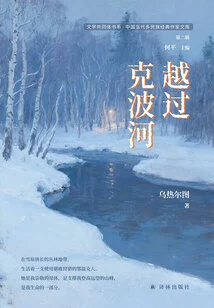
Crossing the Kepo River (literary Community Book Series·chinese Contemporary Multi-ethnic Classic Writers Library, Second Series)
General Fiction越过克波河(文学共同体书系·中国当代多民族经典作家文库第二辑)
Ureltu
Deep in the forests of the Greater Khingan Mountains, the Kepo River flows quietly, reindeer walk through the snowfields, and smoke rises from the birch bark huts. "Crossing the Kepo River" contains ten representative short stories by Evenki writer Ureltu. He is known as "the first widely influential writer in the history of the Ewenki people" and "a smart literary hunter". With his simple and affectionate writing style, he writes the history of the soul where the nation and nature are intertwined. In "The Buck with Seven Antlers", the young hunter understands the respect between life and death between chasing and releasing; "Amber Bonfire" tells the story of hunter Niku braving the wind and snow to rescue the lost. The dim light of the bonfire reflects the warmth across ethnic groups; in "Shaman, Our Shaman", the old shaman Da Lao Fei is in a dream It guides the hearts of young people, but under the curious gaze of foreign tourists, they fall into the situation of being watched; "Lighting a Fire in the Morning" uses the memories of old grandmother Basha to unfold the story of family and blood inheritance; "The Secret of the Jungle" describes the mysterious intersection between a hunter family and a giant bear, revealing the inviolable majesty of nature and ancestral spirits. Ureltu brings birch forests, bonfires, hounds and shamans to life in the text. This is not only a memory of the past homeland, but also a long elegy to life and nature.
Deep in the forests of the Greater Khingan Mountains, the Kepo River flows quietly, reindeer walk through the snowfields, and smoke rises from the birch bark huts. "Crossing the Kepo River" contains ten representative short stories by Evenki writer Ureltu. He is known as "the first widely influential writer in the history of the Ewenki people" and "a smart literary hunter". With his simple and affectionate writing style, he writes the history of the soul where the nation and nature are intertwined. In "The Buck with Seven Antlers", the young hunter understands the respect between life and death between chasing and releasing; "Amber Bonfire" tells the story of hunter Niku braving the wind and snow to rescue the lost. The dim light of the bonfire reflects the warmth across ethnic groups; in "Shaman, Our Shaman", the old shaman Da Lao Fei is in a dream It guides the hearts of young people, but under the curious gaze of foreign tourists, they fall into the situation of being watched; "Lighting a Fire in the Morning" uses the memories of old grandmother Basha to unfold the story of family and blood inheritance; "The Secret of the Jungle" describes the mysterious intersection between a hunter family and a giant bear, revealing the inviolable majesty of nature and ancestral spirits. Ureltu brings birch forests, bonfires, hounds and shamans to life in the text. This is not only a memory of the past homeland, but also a long elegy to life and nature.

My Days Hunting in the Woods
Literature我在林中狩猎的日子
Ureltu
On that day in the early summer of 1969, I appeared at the head of Aoluguya Village carrying my luggage. At that time, I was in my early seventeenth year, like a refugee, with a bleak future and no other options. I can't remember how I felt at that time. The memory has long since become blurry. I must have felt numb at the time, with an inescapable fear, like a little squirrel with its hind legs clamped. Aoluguya is a new place name. It has only been in use for more than four years. Its official name is: Aoluguya Ewenki Hunters Settlement. This settlement was built in 1965 by my father and his colleagues for the Evenki hunters with special ethnic project funds allocated by the state.
On that day in the early summer of 1969, I appeared at the head of Aoluguya Village carrying my luggage. At that time, I was in my early seventeenth year, like a refugee, with a bleak future and no other options. I can't remember how I felt at that time. The memory has long since become blurry. I must have felt numb at the time, with an inescapable fear, like a little squirrel with its hind legs clamped. Aoluguya is a new place name. It has only been in use for more than four years. Its official name is: Aoluguya Ewenki Hunters Settlement. This settlement was built in 1965 by my father and his colleagues for the Evenki hunters with special ethnic project funds allocated by the state.