Library
Browse and search books
1 novel found
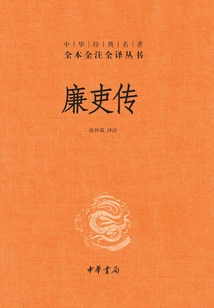
廉吏传
Translation And Annotation By Zhang Quanfang
Fei Shu in the Song Dynasty compiled the deeds of 112 people from the Spring and Autumn Period to the end of the Tang Dynasty who were upright officials, made contributions to the country, and implemented benevolent policies for the people from the historical records of the past dynasties, and compiled it into the book "Biography of Integrity Officials". In the Ming Dynasty, Huang Ruheng added 133 people from before the Five Dynasties on the basis of Fei Shu, and added 64 people from the Song and Yuan dynasties. It mainly describes how they cultivated their ethics and governed for the people. Huang Ruheng rated these historical figures into three categories: upper, middle and lower. He also added his own brief comments at the end of each honest official's deeds. With a few words or at most a few crosses, point out why the character is worthy of emulation or where he appears to be intolerant and inadequate.
Fei Shu in the Song Dynasty compiled the deeds of 112 people from the Spring and Autumn Period to the end of the Tang Dynasty who were upright officials, made contributions to the country, and implemented benevolent policies for the people from the historical records of the past dynasties, and compiled it into the book "Biography of Integrity Officials". In the Ming Dynasty, Huang Ruheng added 133 people from before the Five Dynasties on the basis of Fei Shu, and added 64 people from the Song and Yuan dynasties. It mainly describes how they cultivated their ethics and governed for the people. Huang Ruheng rated these historical figures into three categories: upper, middle and lower. He also added his own brief comments at the end of each honest official's deeds. With a few words or at most a few crosses, point out why the character is worthy of emulation or where he appears to be intolerant and inadequate.